The Influence of Shang Dynasty Bronze Ware on Later Chinese Art Forms: Motifs, Techniques, and Symbolism
|
The bronze ware produced during the Shang Dynasty, with its distinct forms, powerful motifs, and sophisticated techniques, had a profound and lasting influence on later Chinese art forms, helping to shape the course of artistic expression for generations to come. The innovations of the Shang era laid the foundation for many aspects of Chinese art and design. The study of the Shang dynasty helps to illuminate both the beginnings of Chinese art and also its later manifestations. 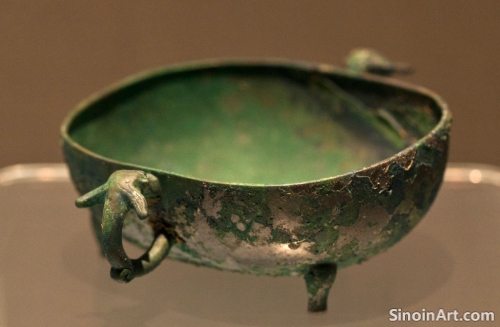 The taotie (饕餮) motif, a dominant design element on Shang bronze ware, continued to appear in later Chinese art, often adapted and reinterpreted but still retaining its symbolic power and its connection to the animal world, and to the powers of protection and spirituality. The persistence of the taotie motif speaks to the enduring power of the symbol and its continued appeal to Chinese artists. 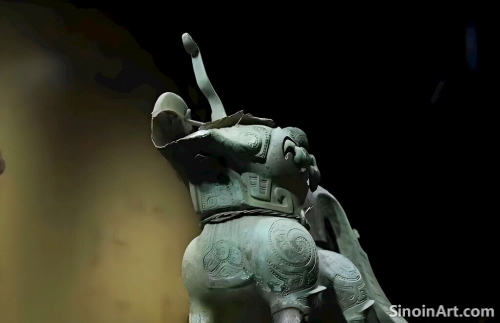 The precise casting techniques used by Shang bronze workers, including the methods of mold making, alloy preparation, and decoration, continued to inspire and challenge later artists, encouraging them to push the boundaries of metalworking and other forms of artistic creation. The innovations of the bronze workers of this time helped to set new standards of both craftsmanship and technical knowledge. 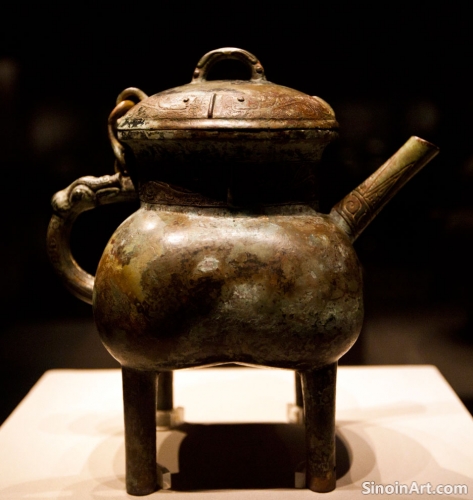 The overall aesthetic principles of balance, symmetry, and symbolic meaning, which were hallmarks of Shang Dynasty bronze ware, also had a lasting impact on later Chinese art, particularly in the fields of sculpture, painting, and decorative design. The Shang style became a template for future generations of artistic innovation. The ability of the style to maintain its relevance throughout Chinese history speaks to its underlying power. The enduring influence of Shang bronze ware is a testament to its lasting importance in the history of Chinese art, and its continued role in inspiring new creative expression. The legacy of this period continues to resonate in both the fine arts and also in the traditions of Chinese craft and design. The careful study of the Shang era offers a clear perspective into the core values and artistic principles of Chinese culture. |
Tag : Shang bronze influence, Chinese art motifs, taotie legacy, bronze techniques, ancient designs
Related information
- The Evolution of Bronze Mirror Design: From Early Simplicity to Ornate Patterns and Narrative Scenes
- Bronze Ware and Ancient Chinese Beliefs About Immortality: The Quest for Everlasting Life
- The Impact of Bronze Ware on Ancient Chinese Burial Customs: Ritual Objects and the Afterlife Journey
- The Bronze Masks of Sanxingdui: Exploring Ritual, Transformation, and the Unseen Realm
- The Evolution of Bronze Casting Techniques: From Early Molds to Complex Vessels
This article explores the evolution of bronze mirror design in ancient China, highlighting the shift from simple forms to more complex designs, including the use of intricate patterns, symbolic imagery, and narrative scenes, demonstrating the interplay between art, technology, and cultural change.
This article explores the connection between bronze ware and ancient Chinese beliefs about immortality, highlighting how mirrors, vessels, and symbolic designs were used to ensure the well-being of the deceased, and to help with their passage to an eternal existence.
This article explores the impact of bronze ware on ancient Chinese burial customs, highlighting their role as grave goods, their connection to beliefs about the afterlife, and how they reflect the status and spiritual needs of the deceased.
This article delves deeper into the bronze masks of Sanxingdui, exploring their unique characteristics, their role in ritual performances, their connection to the spirit world, and the insights they provide into the distinct religious beliefs of the ancient kingdom of Shu.
This article explores the evolution of bronze casting techniques in China, from simple molds to the piece-mold and lost-wax methods, highlighting the technological innovation and artistic mastery of ancient Chinese metalworkers.