Bronze Ware and Ancient Chinese Beliefs About Immortality: The Quest for Everlasting Life
|
The creation and use of bronze objects in ancient China were often intertwined with a desire for immortality and a belief in the possibility of an existence that transcended the mortal realm. The use of bronze in funerary contexts and in the creation of objects that possessed both spiritual and symbolic power reflects a deep seated desire for an eternal existence. The connection between bronze and the quest for immortality provides a fascinating insight into the ancient Chinese perspective on life, death, and what lies beyond.  Bronze mirrors, which reflected light and were believed to hold spiritual power, were often placed in tombs, and were thought to help guide the souls of the deceased into the afterlife and perhaps even to enhance the possibility of their rebirth into a new and more enduring life. The power of reflection was thought to have a metaphysical significance. 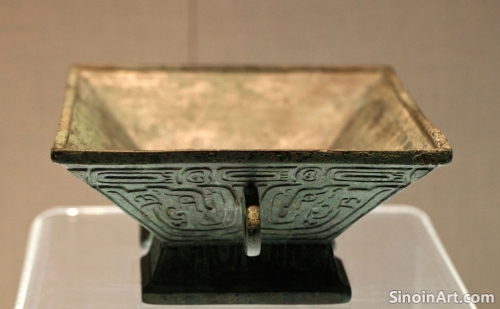 Bronze vessels, which were designed for ritual use, were often included in burials, as it was believed that these items could also sustain the deceased in the afterlife, and provide them with everything that they needed to continue into the next world. The inclusion of items from their daily lives indicates a desire to maintain continuity and to enhance their overall wellbeing in the world of the spirits. 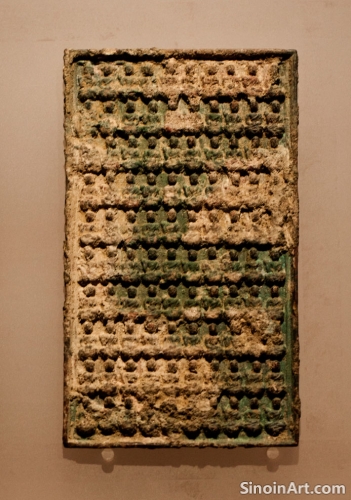 The depiction of mythical creatures and other symbolic motifs on bronze objects also suggested a belief in the power of these images to protect against harm and also to help to facilitate the soul’s passage to a new and more perfect existence. The imagery helped to create a sense of both protection and power. These symbols and images helped to represent the complex understanding of life, death, and the spirit world. The study of bronze and its association with immortality reveals a fascinating aspect of ancient Chinese beliefs and culture, highlighting the human desire for transcendence and the ways in which people have sought to achieve some form of continuity beyond death. The artifacts from the past help to connect us with this longing for immortality. The combination of art, ritual, and belief is key to understanding the power of this worldview. |
Tag : bronze immortality, Chinese afterlife, eternal life beliefs, funerary rituals, spirit world
Related information
- The Influence of Bronze Ware on the Development of Chinese Seal Carving
- The Influence of Tang Dynasty Culture on the Design and Decoration of Bronze Ware
- The Legacy of Zhou Dynasty Bronzes: Shaping Later Chinese Ritual and Culture
- Bronze Ware and the Transmission of Ancient Chinese Knowledge: Libraries, Archives, and Scholarship
- The Evolution of Bronze Casting Techniques: From Early Molds to Complex Vessels
This article explores the influence of bronze ware on the development of Chinese seal carving, highlighting the shared techniques, the stylistic similarities, the transmission of decorative motifs, and the interconnectedness of these two art forms.
This article explores the influence of Tang Dynasty culture on bronze ware, highlighting new forms, decorative techniques, and their shift toward more refined and elegant designs that reflect the style of the period, and its focus on elegance and beauty.
This article explores the lasting legacy of Zhou Dynasty bronzes, highlighting their influence on later Chinese ritual practices, their impact on subsequent artistic designs, their role in the development of historical records, and their contribution to a continued reverence for tradition.
This article explores how bronze ware was used in the transmission of knowledge in ancient China, highlighting its role in creating records, tablets, archive labels, and other objects that helped to document, preserve, and disseminate information for future generations.
This article explores the evolution of bronze casting techniques in China, from simple molds to the piece-mold and lost-wax methods, highlighting the technological innovation and artistic mastery of ancient Chinese metalworkers.