The Preservation of Bronze Ware: The Impact of Environmental Factors and Storage Conditions
|
The preservation of ancient Chinese bronze ware is a challenging endeavor, requiring a deep understanding of how environmental factors and storage conditions can impact the long-term survival of these valuable artifacts. The careful and thoughtful management of storage and display conditions is essential to the continued survival of these artifacts. The careful consideration of their chemical and physical properties is vital to ensure their long term preservation. 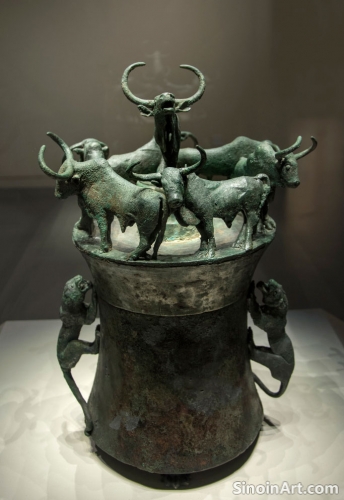 Bronze artifacts are highly susceptible to corrosion, which is caused by exposure to moisture, humidity, and various pollutants. The careful management of environmental conditions helps to slow or even to stop the corrosion process. The control of temperature, humidity, and air quality is vital to preserving these objects for future generations. 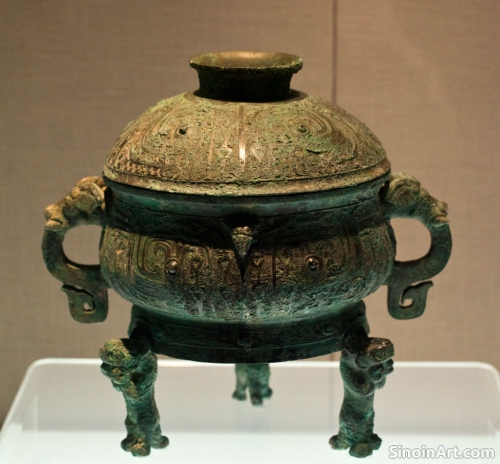 The presence of salts and acids in the environment can also accelerate the process of bronze deterioration, requiring the careful cleaning and stabilization of artifacts before being put into storage or display. The removal of contaminants is key to enhancing both the longevity and also the visual appeal of the artifacts. 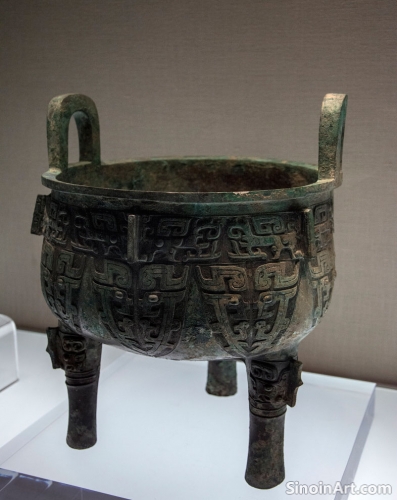 The materials used for storage, transportation, and display can also have an impact on the preservation of bronze ware, requiring careful consideration in choosing materials that will not degrade the artifacts. The materials used in preservation should both protect and enhance the appearance of the bronze pieces. The selection of appropriate materials is essential to long term preservation. The study of the impact of environmental factors and storage conditions helps us to develop more effective strategies for preserving and protecting Chinese bronze ware, ensuring that these important cultural treasures will be available for study and appreciation in the years to come. The careful planning and execution of preservation techniques is essential to ensuring that these valuable artifacts are available for future generations to study and appreciate. |
Tag : bronze preservation, environmental factors, artifact storage, corrosion control, conservation science
Related information
- Bronze Ware and the Transmission of Ancient Chinese Technical Knowledge: Tools, Techniques, and Innovation
- The Use of Bronze in Ancient Chinese Household Items: Beyond Ritual and Warfare
- The Preservation of Bronze Artifacts: Understanding the Chemistry of Corrosion and Deterioration
- Bronze Ware and Ancient Chinese Astronomy: Celestial Symbols and Interpretations
- The Techniques of Inlaying Bronze: Incorporating Precious Materials into Metalwork
This article explores the transmission of technical knowledge through the production of bronze ware in ancient China, highlighting the process of apprenticeship, the mastery of materials, the development of techniques, and how this knowledge shaped other forms of technical and artistic innovation.
This article explores the use of bronze in ancient Chinese household items, highlighting objects like mirrors, lamps, braziers, tools, and containers, and demonstrating how bronze enriched everyday life beyond ritual and warfare.
This article explores the chemistry of bronze corrosion and deterioration, highlighting the scientific principles behind conservation efforts, and the methods and techniques used to stabilize and preserve these artifacts for future generations.
This article explores the connection between bronze ware and ancient Chinese astronomy, highlighting the use of celestial symbols, the representation of astronomical phenomena, and the use of bronze in astronomical instruments, showcasing the interplay between art and science.
This article explores the techniques of inlaying bronze in ancient China, highlighting the use of precious materials like gold, silver, and jade, and demonstrating how these techniques added sophistication, symbolism, and artistic value to bronze objects.