The Influence of Nomadic Cultures on Chinese Bronze Ware: Cross-Cultural Exchanges
|
The history of Chinese bronze ware is not just a story of internal development; it is also a story of cultural exchanges and interactions with neighboring nomadic groups. These interactions often resulted in the adoption of new forms, styles, and techniques, enriching the overall artistic landscape of ancient China. The interplay between China and its neighbors created a dynamic and unique artistic culture. 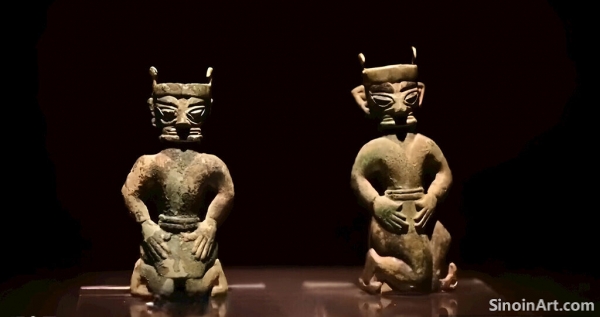 Nomadic groups, such as the Xiongnu and Scythians, often had their own unique traditions of metalworking, which were often incorporated into Chinese designs, especially in border regions. These different cultural influences helped to introduce new forms and styles to Chinese bronze work. The cross-cultural exchange helped to create a unique hybrid art form.  Bronze objects reflecting nomadic influence often include animal motifs, geometric patterns, and stylized depictions of nature. These motifs differ greatly from the traditional designs of the Central Plains regions, and help to show a more diverse vision of the art form. The nomadic influences helped to broaden the range and scope of Chinese artistic expression.  The exchange of bronze objects through trade and diplomacy also played a role in the transmission of artistic ideas and technical skills. The trade routes between different cultural groups helped to spread artistic knowledge and technical skill. The sharing of techniques helped to enrich and broaden the range of metalworking techniques available at the time. The study of nomadic influence on Chinese bronze ware highlights the interconnectedness of ancient cultures and the importance of cross-cultural interaction in artistic and technological innovation. This dynamic interplay of ideas and artistic styles helped to create a more diverse and interesting culture. |
Tag : nomadic influence bronzes, Chinese bronze, Xiongnu culture, Scythian art, cross-cultural exchange
Related information
- The Challenge of Authenticating Ancient Chinese Bronze Ware: Forgeries and Expertise
- The Role of Bronze in Ancient Chinese Warfare: Strategies and Weapons
- Bronze Vessels and Music Performance in Ancient China: A Multi-Sensory Experience
- Bronze Ware and the Influence of Ancient Chinese Philosophical Schools: Confucianism, Daoism, and Legalism
- The Impact of the Silk Road on the Styles and Techniques of Chinese Bronze Ware
This article discusses the challenges of authenticating ancient Chinese bronze ware, highlighting the use of visual inspection, scientific testing, stylistic analysis, and the expertise required to distinguish between genuine artifacts and forgeries.
This article explores the role of bronze in ancient Chinese warfare, highlighting the types of weapons, armor, and chariot fittings, and examining the strategies and tactics employed, revealing the military power of the era.
This article explores the combination of bronze vessels and music in ancient Chinese ritual performance, highlighting how these combined to create a multi-sensory experience that engaged both visual and auditory senses, and enhanced the power of ritualistic ceremonies.
This article explores how bronze ware was influenced by different schools of thought in ancient China, including Confucianism (order and ritual), Daoism (nature and spontaneity), and Legalism (authority and order), and demonstrating how these philosophies shaped both design and usage.
This article explores the impact of the Silk Road on Chinese bronze ware, highlighting the introduction of foreign motifs, new techniques, and how the exchange of goods and ideas shaped the styles and forms of bronze artifacts in ancient China.