The Influence of Bronze Ware on Ancient Chinese Architecture: Decorative Elements and Structural Supports
|
While often associated with smaller, more portable objects, bronze also played a role in ancient Chinese architecture, used to create decorative elements, structural supports, and other components, and highlighting its versatility and its ability to improve the functional and aesthetic quality of buildings and complex structures. The use of bronze in architecture reflects the deep connection between art, technology, and the built environment in ancient China. 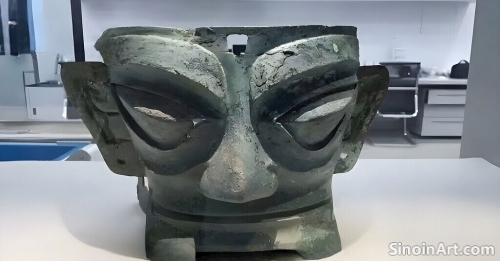 Bronze was used to create elaborate decorative elements for buildings, including door handles, plaques, and other architectural fittings, all designed to enhance the visual appeal and aesthetic quality of structures and spaces. The use of bronze helped to elevate the status and beauty of the buildings they were a part of. The integration of bronze into architectural design is a key element in understanding the artistic sensibilities of the era. 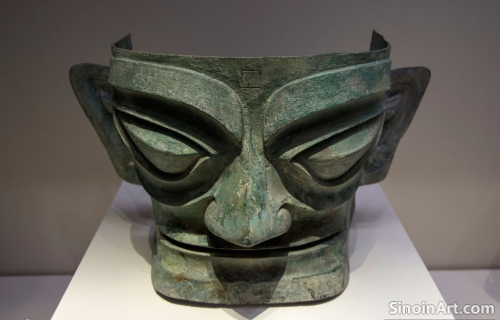 Bronze was also used to create structural components for buildings, including supports for beams, pillars, and other elements, enhancing both strength and durability, and highlighting the sophistication of the engineering techniques of the period. The use of bronze components helped to create buildings that were both structurally reliable and aesthetically appealing. The application of bronze in architectural design helps to illustrate the practical application of theoretical knowledge. 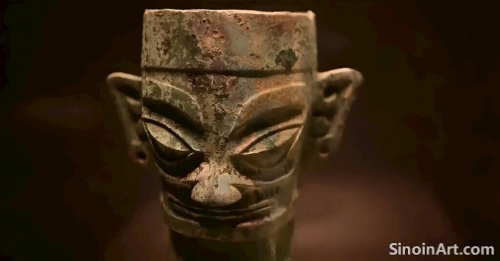 The creation of bronze fixtures and fittings also reflects the importance of creating spaces that reflected the social, cultural, and religious values of the time, using a combination of beautiful design and also solid structural engineering to create environments that were both meaningful and also useful. |
Tag : bronze architecture, Chinese design, building elements, structural support, decorative features
Related information
- The Conservation of Large Scale Bronze Sculptures: Challenges and Techniques
- The Bronze Masks of Sanxingdui: Exploring Ritual, Transformation, and the Unseen Realm
- The Modern Use of Chinese Bronze Ware: Reinterpretations and Artistic Influence
- The Evolution of Bronze Mirror Design: From Early Simplicity to Ornate Patterns and Narrative Scenes
- Bronze Ware and the Development of Ancient Chinese Trade Routes: Pathways for Exchange and Innovation
This article discusses the challenges and techniques involved in the conservation of large-scale bronze sculptures, highlighting the issues of deterioration, the need for specialized interventions, and the importance of long-term preservation efforts.
This article delves deeper into the bronze masks of Sanxingdui, exploring their unique characteristics, their role in ritual performances, their connection to the spirit world, and the insights they provide into the distinct religious beliefs of the ancient kingdom of Shu.
This article explores the modern use of Chinese bronze ware, highlighting how contemporary artists and designers reinterpret and adapt its forms and motifs, blending ancient traditions with modern aesthetics, showcasing the enduring influence of these powerful works.
This article explores the evolution of bronze mirror design in ancient China, highlighting the shift from simple forms to more complex designs, including the use of intricate patterns, symbolic imagery, and narrative scenes, demonstrating the interplay between art, technology, and cultural change.
This article explores the relationship between bronze ware and ancient Chinese trade routes, highlighting how the movement of objects and raw materials fostered cultural exchange, innovation, and the development of complex economic networks.