Bronze Ware and the Development of Ancient Chinese Trade Routes: Pathways for Exchange and Innovation
|
The production and trade of bronze ware played a key role in the development and expansion of ancient Chinese trade routes, facilitating the exchange of goods, ideas, and artistic techniques across vast distances. The establishment of these trade routes helped to bring together different regions and cultures of ancient China, and also helped to connect China to the rest of the world. 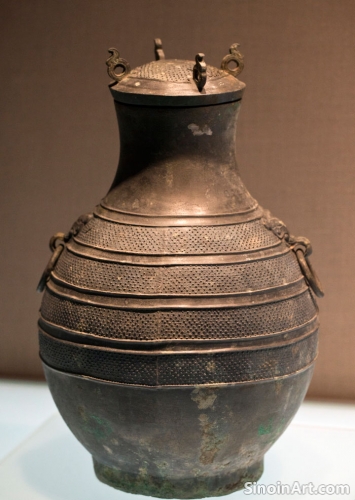 The movement of bronze objects along these trade routes often led to the adoption of new designs and patterns, as artisans and traders from different regions came into contact with one another and with each other's techniques. The interaction between different cultural groups helped to enrich the artistic styles and technological knowledge of the time.  The need for raw materials, such as copper and tin, to make bronze also drove the creation of trade routes and new patterns of exchange, often connecting China with distant lands. The search for materials helped to broaden the reach of China’s cultural and economic influence. The desire to acquire new materials helped to develop both local and long distance trade routes. 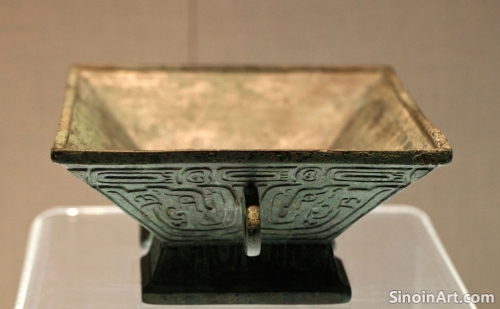 The study of bronze ware and its distribution patterns helps to reveal the complexity of ancient Chinese trade networks, highlighting the ways in which material culture helped to shape both economic and cultural practices. The trade routes reveal not only the flow of resources but also the complex patterns of human interaction and cultural exchange. |
Tag : bronze trade routes, ancient Chinese markets, Silk Road, cultural exchange, economic networks
Related information
- The Challenge of Authenticating Ancient Chinese Bronze Ware: Forgeries and Expertise
- The Influence of Bronze Ware on Ancient Chinese Architecture: Decorative Elements and Structural Supports
- The Influence of Bronze Ware on the Development of Ancient Chinese Military Strategy and Tactics
- Bronze Ware and the Development of Ancient Chinese Agriculture: Water Management and Irrigation Systems
- Bronze Ware and the Representation of Power in Ancient Chinese Royal Tombs: Scale, Detail, and Symbolism
This article discusses the challenges of authenticating ancient Chinese bronze ware, highlighting the use of visual inspection, scientific testing, stylistic analysis, and the expertise required to distinguish between genuine artifacts and forgeries.
This article explores the influence of bronze ware on ancient Chinese architecture, highlighting its use in decorative elements, structural supports, and other components that helped to enhance the beauty and functionality of ancient buildings.
This article explores the influence of bronze ware on ancient Chinese military strategy and tactics, highlighting its role in the development of weapons, armor, chariots, and how these technologies transformed the nature of ancient warfare.
This article explores the use of bronze in ancient Chinese agriculture, highlighting its role in creating water management systems, irrigation components, and other implements that were essential for increasing agricultural productivity and supporting a growing population.
This article explores the use of bronze ware in ancient Chinese royal tombs, highlighting its role in conveying power and wealth, its use of scale and detail, its symbolic designs, and how these objects were intended to ensure the continued recognition of the deceased in the afterlife.