The Conservation of Large Scale Bronze Sculptures: Challenges and Techniques
|
The conservation of large-scale bronze sculptures, such as those found in ancient Chinese tombs and temples, presents unique challenges due to their size, weight, and complexity. Preserving these monumental works of art requires careful planning, specialized techniques, and a team of skilled conservators. The scale of these objects presents its own unique set of challenges for the preservation process. 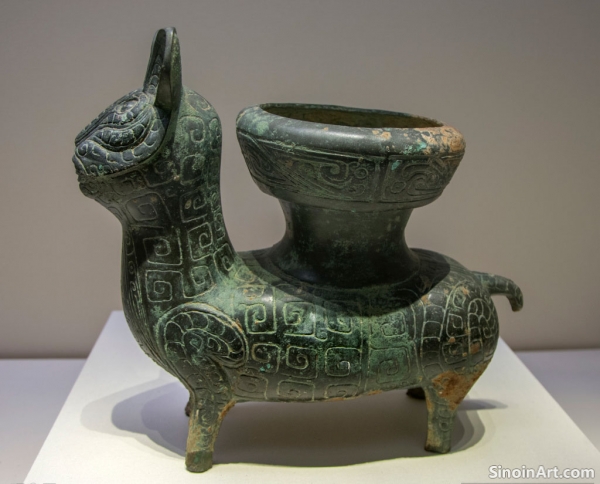 These large bronze objects are often subject to various forms of deterioration, including corrosion, structural damage, and surface degradation. The exposure to the elements, and the time that has passed since their creation, has meant that many pieces require specialized forms of restoration and preservation. 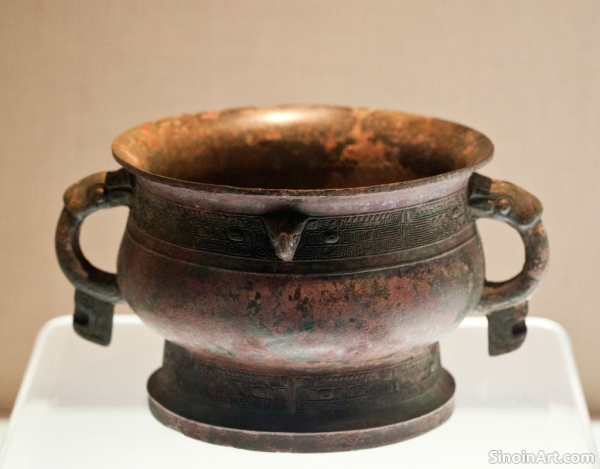 The conservation process involves a combination of physical interventions and environmental controls. The objects need to be carefully examined to determine the best approach to their restoration. Modern technological approaches help to enhance the restoration process. 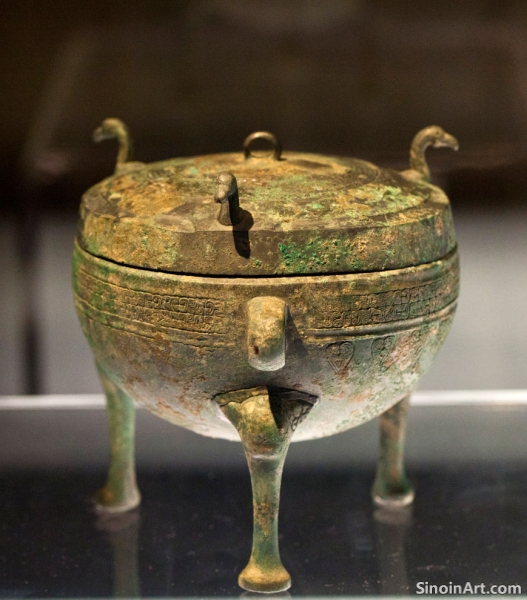 Large bronze objects must be carefully cleaned, stabilized, and protected to ensure that they do not continue to degrade. The process must be approached carefully and with the long term preservation of the work in mind. The application of modern preservation and restoration techniques requires a deep understanding of the original materials and methods of fabrication. The ongoing efforts to preserve these large-scale bronze works help to ensure that these cultural treasures will be available for appreciation by future generations, helping to connect us to the past and allowing for future study and appreciation. The care taken with these objects has helped to ensure their survival. |
Tag : bronze sculpture conservation, large-scale artifacts, Chinese art restoration, cultural heritage, metal conservation
Related information
- The Enduring Power of Chinese Bronze Ware: A Timeless Legacy of Art, Culture, and History
- The Influence of Bronze Ware on Later Ceramic Styles in China
- The Impact of Bronze Ware on Ancient Chinese Ritual Practices: Sacrifices, Offerings, and Performances
- The Bronze Masks of Sanxingdui: Exploring Ritual, Transformation, and the Unseen Realm
- The Use of Bronze in Ancient Chinese Musical Instruments: Stringed Instruments and Percussion
This article reflects on the enduring power of Chinese bronze ware, emphasizing its timeless beauty, technical mastery, cultural significance, and its continuing ability to inspire awe and curiosity around the world.
This article explores the influence of bronze ware on later ceramic styles in China, highlighting the replication of forms, the adoption of bronze motifs, and the impact on technical aspects, demonstrating the lasting impact of bronze on later artistic endeavors.
This article explores the impact of bronze ware on ancient Chinese ritual practices, highlighting their use in sacrifices, offerings, and performances, and demonstrating their importance in connecting the earthly world with the realms of gods and spirits.
This article delves deeper into the bronze masks of Sanxingdui, exploring their unique characteristics, their role in ritual performances, their connection to the spirit world, and the insights they provide into the distinct religious beliefs of the ancient kingdom of Shu.
This article explores the diverse use of bronze in ancient Chinese musical instruments, highlighting its role in creating components for stringed instruments, percussive elements, and how it shaped the musical landscape of ancient China beyond bells and chimes.