The Impact of Bronze Ware on Ancient Chinese Society: A Social Perspective
|
Bronze ware was not just a collection of objects; it was a powerful force that shaped ancient Chinese society. The production, distribution, and use of bronze ware were deeply intertwined with social structures, political power, and religious beliefs. The importance of bronze in Chinese society highlights its impact on both the social and political orders of the time. 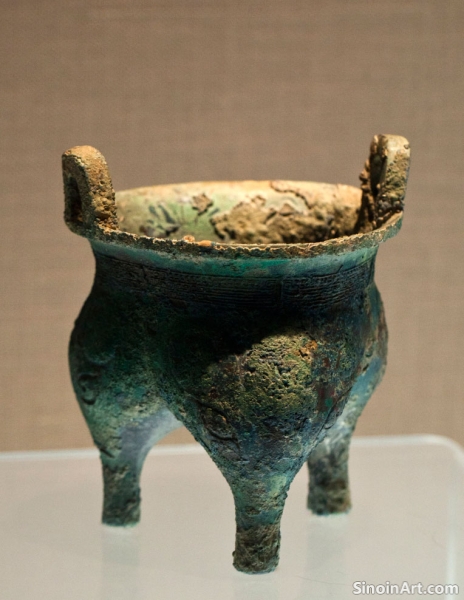 The possession and control of bronze, especially ritual vessels and weapons, was a primary indicator of social status and political authority. High-ranking nobles and rulers often amassed large collections of bronze, which served as markers of their position in the social hierarchy. The ownership of bronze helped to establish one’s position within ancient Chinese society. 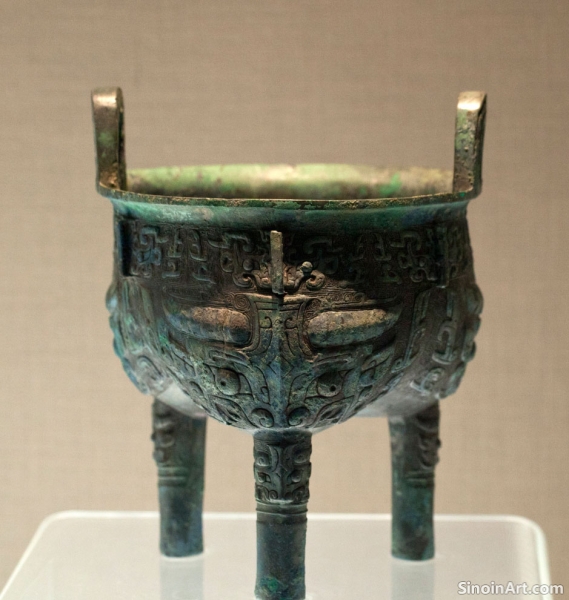 The creation of bronze ware also required a complex social organization, including specialized workshops, skilled artisans, and a system for procuring and distributing materials. The bronze industry was a complex undertaking that reflected the large-scale societal structure in ancient China. The bronze industry was a testament to the organizational skills of ancient China. 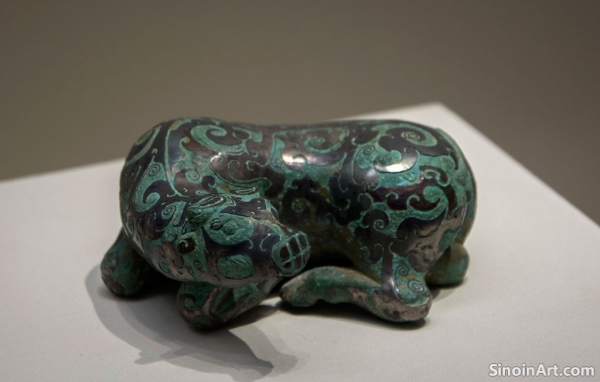 The use of bronze in ancestral rites and other religious ceremonies reinforced social hierarchies and cultural values. Bronze helped to enforce social norms and establish traditions that continue to be influential to this day. The careful management of rituals helped to reinforce the traditions of the era. The impact of bronze on ancient Chinese society was profound, leaving an enduring legacy that continues to shape our understanding of this fascinating period in history. The study of bronze is key to understanding not only the artistic but also the social and political realities of ancient China. The cultural legacy of bronze is still influential today. |
Tag : bronze and ancient society, Chinese social structures, bronze power, ancient politics, cultural impact
Related information
- Bronze Ware and Ancient Chinese Beliefs About the Afterlife: Providing for the Journey and Eternal Life
- The Preservation of Bronze Ware: The Impact of Environmental Factors and Storage Conditions
- Bronze Ware and Ancient Chinese Medicine: Vessels for Preparing and Storing Remedies
- The Influence of Ancient Chinese Bronze Ware on Later Japanese Art and Design
- Bronze Ware and the Representation of Authority: Imperial Symbols and Power
This article explores the use of bronze ware in ancient Chinese tombs, highlighting its role in providing for the deceased's journey into the afterlife, offering protection, and reflecting beliefs about continuity and eternal existence.
This article explores the impact of environmental factors and storage conditions on the preservation of Chinese bronze ware, highlighting the causes of corrosion, the role of humidity and pollutants, and the need for careful management of storage environments.
This article explores the use of bronze in ancient Chinese medicine for preparing and storing remedies, highlighting the creation of specialized vessels and containers, and revealing the connection between metallurgy and traditional healing practices.
This article explores the influence of ancient Chinese bronze ware on later Japanese art and design, highlighting the adoption of Chinese forms and techniques, the development of unique Japanese styles, and the impact of cultural exchange on creative expression.
This article explores the representation of authority in Chinese bronze ware, highlighting the use of symbols, emblems, weapons, and other objects to demonstrate imperial and elite power, and the connections between material culture, political ideology, and the assertion of control.