Bronze Ware and Ancient Chinese Beliefs About the Afterlife: Providing for the Journey and Eternal Life
|
The inclusion of bronze objects in ancient Chinese tombs reflects a deep-seated belief in the afterlife, with these artifacts intended to equip the deceased for their journey into the world of spirits, and also to help them achieve a lasting form of existence beyond their earthly life. The placement of these objects was often intended to create a seamless transition from the earthly world to the world of the spirits, and these objects were both functional and also highly symbolic.  Bronze ritual vessels were placed in tombs so that they could continue to be used for offerings to ancestors and spirits, sustaining the soul in its new existence. The inclusion of ritual objects from their earthly life helped to establish a sense of continuity and connection to the traditions of the past.  Bronze weapons were often included in tombs to provide protection against evil spirits and also to symbolize the deceased's power and status, even in the afterlife. The belief that the challenges of the earthly world would continue into the afterlife was a driving factor in the selection of the artifacts that were included in the burial process. 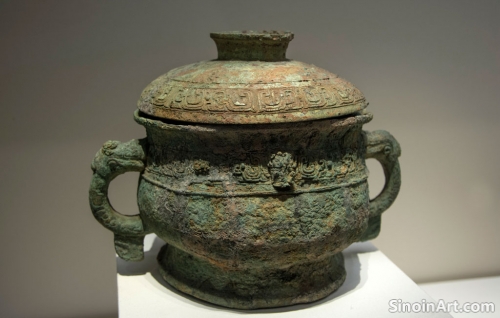 Bronze mirrors were often believed to help guide the soul on its journey, and to also offer a glimpse into other worlds, further underscoring the connection between the material world and the spiritual realms. These objects were seen to have a power beyond the everyday world, and they were therefore considered to be important components of a proper burial ritual. The study of bronze ware in burial contexts provides valuable insights into ancient Chinese beliefs about the afterlife, highlighting the desire for continuity, protection, and the belief in an existence that transcended the mortal realm. The study of these practices is a valuable way of understanding their belief systems and their culture. |
Tag : bronze afterlife beliefs, ancient Chinese tombs, funerary practices, spirit journey, eternal life
Related information
- Bronze Ware and Trade Networks in Ancient China: Exchange and Interaction
- Bronze Ware and Ancient Chinese Medicine: Tools and Beliefs About Health
- The Future of Chinese Bronze Ware: New Discoveries, Research, and Interpretations
- The Use of Bronze in Ancient Chinese Medicine: Exploring the Relationship Between Materials and Healing
- The Preservation of Bronze Ware Collections: Challenges, Strategies, and Long-Term Care
This article explores the role of bronze ware in ancient Chinese trade networks, highlighting its importance as a trade commodity, its contribution to the exchange of cultural ideas, and its role in connecting different regions of China.
This article explores the use of bronze in ancient Chinese medicine, highlighting the creation of surgical instruments, diagnostic tools, and vessels used for herbal remedies, and revealing the intersection of metallurgy and medical practices.
This article explores the future of Chinese bronze ware studies, highlighting the potential for new discoveries, the use of advanced scientific techniques, new theoretical approaches, and how ongoing research will continue to enrich our understanding of these remarkable artifacts.
This article explores the use of bronze in ancient Chinese medicine, highlighting the belief that the material itself possessed healing properties, and how it was used in creating vessels for preparing remedies, and in some therapeutic practices.
This article explores the challenges and strategies involved in preserving bronze ware collections, highlighting the importance of conservation, specialized techniques, environmental controls, and museums as stewards of these cultural treasures.