The Evolution of Gongbi Subject Matter: From Tradition to Contemporary
|
While Gongbi painting is deeply rooted in tradition, its subject matter has evolved over time, reflecting changes in Chinese culture and society. From the detailed depictions of court life in earlier dynasties to the incorporation of contemporary themes in modern works, the subject matter of Gongbi continues to adapt and expand while still respecting its historical foundation. 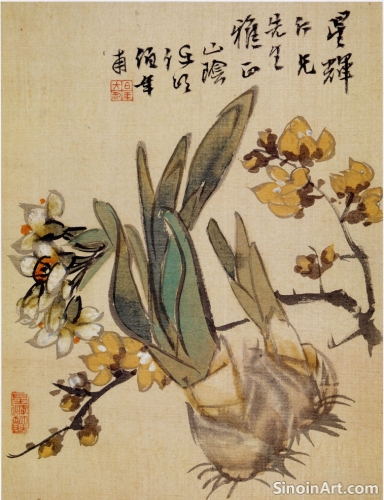 Historically, Gongbi subject matter was often dictated by the imperial court and the ruling elite. Paintings often depicted scenes of court life, historical figures, and mythical narratives. These works served not only as artistic expressions but also as records of important events and cultural ideals. The careful rendering of these scenes reflected the social status and the values of the patrons. 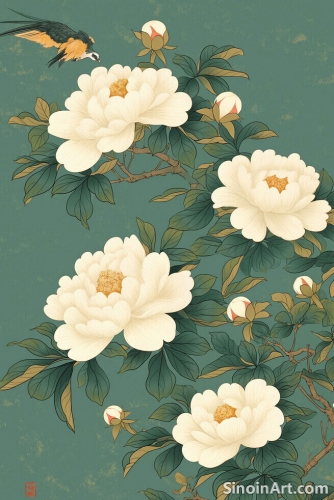 The depiction of flora and fauna also played a significant role in traditional Gongbi subject matter. Flowers and birds were chosen for their symbolic meanings, as well as their natural beauty. These depictions were often based on keen observations of the natural world and reflected the Chinese cultural emphasis on harmony with nature. This subject has remained an important element of the art form.  During later dynasties, landscape painting also became a significant theme in Gongbi. These landscapes were often filled with meticulous details and conveyed a sense of peace and harmony. These paintings went beyond mere depictions of natural scenery and served as a way to engage with Chinese philosophical traditions. These works have both aesthetic and spiritual significance. In the modern era, Gongbi subject matter has expanded to incorporate contemporary themes and social commentary. Artists are using the meticulous detail and precision of Gongbi to address modern issues, from social injustice to environmental concerns. This infusion of modern concepts and perspectives has given new relevance and dynamism to the art form. The combination of traditional techniques and contemporary ideas has reinvigorated the art form. The evolution of Gongbi subject matter showcases the adaptability and enduring relevance of the art form. While respecting its historical legacy, contemporary artists are pushing the boundaries of what can be represented in this traditional style. This continued exploration and innovation ensures that Gongbi remains a vital and dynamic art form for both artists and audiences alike. |
Tag : Gongbi subject matter, Chinese art themes, evolution of painting, traditional vs contemporary art, art historical development
Related information
- The Future of Gongbi: Digital Tools and Traditional Techniques
- The Role of the Artist's Seal in Gongbi Painting
- Techniques and Tools: Unveiling the Secrets of Gongbi
- Gongbi Painting in the Modern Era: Reinterpretations and Adaptations
- Gongbi and the Use of Bird Motifs: Symbolism and Beauty
This article explores the future of Gongbi painting, highlighting the use of digital tools to aid in the creative process, facilitate sharing, and expand the art form’s reach, while emphasizing the importance of maintaining traditional techniques.
This article discusses the role of the artist's seal in Gongbi painting, highlighting its function as a signature, a visual element, a statement of ownership, and its contribution to the cultural significance and authenticity of the artwork.
An in-depth look at the techniques and tools used in Gongbi painting, covering brushes, ink, pigments, and painting surfaces.
Discusses the reinterpretations and adaptations of Gongbi painting in the modern era, highlighting new themes, techniques, and the blending of tradition with contemporary sensibilities.
The depiction of birds is a prominent theme in Chinese Gongbi painting, often serving as a means to explore the beauty, freedom, and symbolic richness of the natural world. Artists often render a diverse array of birds, from majestic eagles and phoenixes to the more humble songbirds, imbuing them with specific cultural meanings and stylistic characteristics. The birds add a vibrant and often symbolic element to these pieces.