The Preservation of Bronze Ware: Balancing Scientific Methods with Artistic Understanding
|
The preservation of ancient Chinese bronze ware requires a delicate balance between scientific methods and an appreciation for artistic and cultural significance, recognizing that the objects are not just pieces of metal but also objects of unique beauty, cultural importance, and great historical value. The best approaches to preservation often combine new methods with a respect for the traditional knowledge of conservation techniques.  Scientific methods, such as X-ray fluorescence, carbon dating, and material analysis, help to understand the composition of bronze objects and the causes of deterioration, and these techniques also help to create new approaches to preservation and conservation, and also to enhance the techniques of display and storage. The careful and scientific study of these works helps to ensure that they will survive for future generations to appreciate. 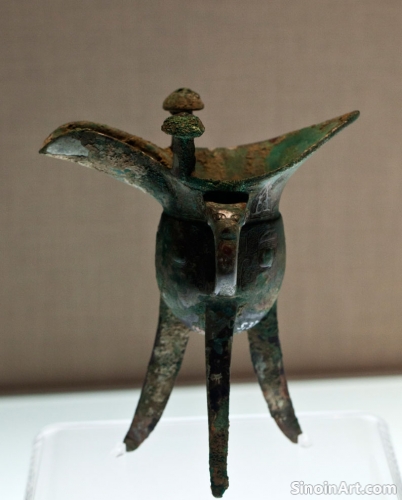 Art historians and cultural specialists provide expertise in understanding the style, symbolism, and historical context of the bronze objects, informing preservation practices and ensuring that they are handled with sensitivity and respect. The combination of scientific techniques with historical understanding is key to ensuring the proper display and preservation of these artifacts. 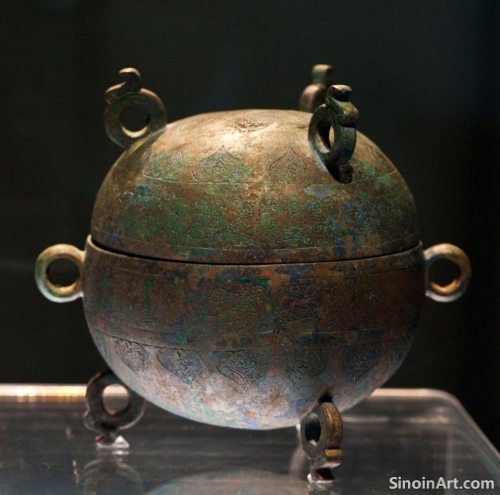 The display of bronze ware in museums also requires a balancing act, creating exhibits that are both visually appealing and accessible to the public, while also providing a safe and stable environment for the objects. The public display of these artifacts requires a careful approach to lighting, temperature control, and the management of the objects themselves. The combined efforts of scientists, art historians, conservators, and museum professionals will help to ensure the long-term preservation of Chinese bronze ware and that they remain available for both study and enjoyment for years to come. The combined approach is key to ensuring the survival of these valuable treasures. The care and attention to detail required to preserve these objects is a testament to their importance. |
Tag : bronze preservation, conservation methods, scientific analysis, art history, artifact care
Related information
- Chinese Bronze Ware in Global Collections: A Transcultural Perspective
- Bronze Ware and the Development of Ancient Chinese Calendar Systems: Marking Time and Ritual Cycles
- The Role of Bronze in Ancient Chinese Agriculture: Tools, Irrigation, and Food Production
- Bronze Ware and the Development of Ancient Chinese Trade Routes: Pathways for Exchange and Innovation
- The Evolution of Bronze Casting Techniques: From Early Molds to Complex Vessels
This article explores the global distribution of Chinese bronze ware, highlighting its presence in museums and collections worldwide, the history of collecting, and the value of a transcultural perspective in understanding their significance.
This article explores the use of bronze in ancient Chinese calendar systems, highlighting its role in creating timekeeping devices like sundials, tracking the passage of time, and linking calendars to both agricultural and ritual cycles.
This article explores the role of bronze in ancient Chinese agriculture, highlighting its use in creating more effective tools, developing irrigation systems, improving food processing, and its contribution to greater agricultural efficiency and economic development.
This article explores the relationship between bronze ware and ancient Chinese trade routes, highlighting how the movement of objects and raw materials fostered cultural exchange, innovation, and the development of complex economic networks.
This article explores the evolution of bronze casting techniques in China, from simple molds to the piece-mold and lost-wax methods, highlighting the technological innovation and artistic mastery of ancient Chinese metalworkers.