Bronze Ware as Grave Goods: Status, Belief, and the Afterlife
|
The practice of burying bronze ware with the deceased was a widespread tradition in ancient China, reflecting the belief that these objects would accompany them into the afterlife. The types of bronze objects included, their quantity, and the manner in which they were placed in tombs reveal insights into the social status, religious beliefs, and notions of the afterlife. The inclusion of bronze pieces in burials was an essential component of ancient Chinese traditions. 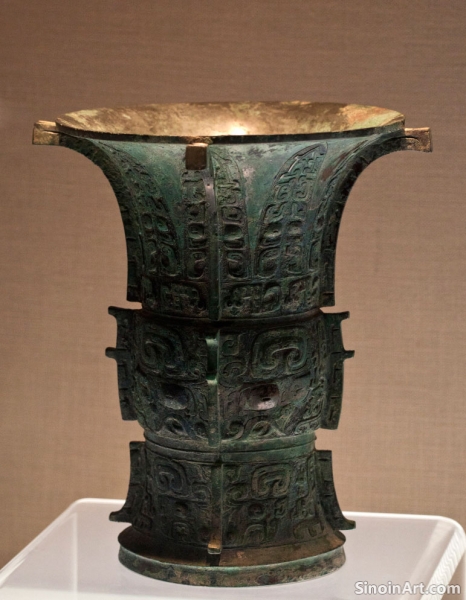 Ritual vessels, weapons, and other types of bronze objects were often included as grave goods, suggesting that they were seen as necessary items for use in the afterlife. The inclusion of these items suggests that life in the afterlife was expected to be similar to that on Earth. The items were often selected based on the status and personality of the deceased. 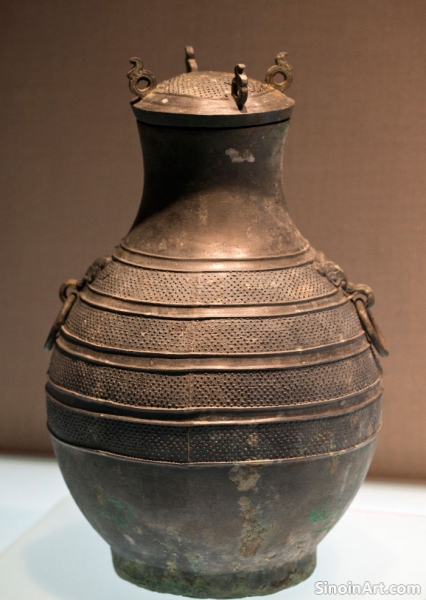 The quantity and quality of bronze objects found in tombs often varied depending on the social status and wealth of the deceased, with rulers and nobles having significantly more and more elaborate grave goods. The amount and types of artifacts included in burials were direct indications of the status and position held by the deceased during their lifetime. This highlights the use of these materials as a display of wealth and power. 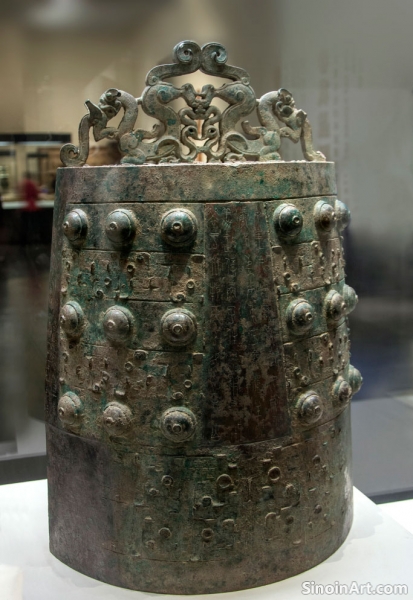 The placement of bronze objects within tombs was also highly significant, often reflecting specific ritualistic beliefs about the afterlife. The care with which these items were arranged is further evidence of their symbolic importance. The study of bronze ware as grave goods provides important insights into the social hierarchy and spiritual beliefs of ancient China, revealing the complex ways in which the living sought to prepare their loved ones for the world beyond death. The careful study of burial sites helps to provide us with insights into the culture and beliefs of the people who lived long ago. The integration of these materials into the funerary process is key to understanding the beliefs of the era. |
Tag : bronze grave goods, ancient Chinese burials, afterlife beliefs, funerary rituals, archaeology
Related information
- The Use of Bronze in Ancient Chinese Medicine: A Focus on Acupuncture and Related Instruments
- The Bronze Masks of Sanxingdui: Exploring Ritual, Transformation, and the Unseen Realm
- Bronze Ware and the Representation of Women in Ancient China: Social Roles and Power Dynamics
- The Use of Bronze in Ancient Chinese Musical Instruments: Exploring Tonality and Harmony
- The Production and Use of Bronze in Ancient Chinese Musical Instruments: Harmony and the Cosmos
This article explores the use of bronze in ancient Chinese acupuncture, highlighting the creation of needles, probes, and other tools used in this practice, and demonstrating how bronze was instrumental in the development of traditional medicine.
This article delves deeper into the bronze masks of Sanxingdui, exploring their unique characteristics, their role in ritual performances, their connection to the spirit world, and the insights they provide into the distinct religious beliefs of the ancient kingdom of Shu.
This article explores the representation of women in ancient China through bronze ware, highlighting their roles in daily life and ritual, their depictions in art, and revealing the complex social and gender dynamics of the era.
This article explores the use of bronze in ancient Chinese musical instruments, highlighting the precise tuning, the exploration of tonality and harmony, and how these instruments reflected both musical practices and the advanced understanding of acoustics during the period.
This article explores the use of bronze in ancient Chinese musical instruments, highlighting the technical skill involved in their creation, the cosmological beliefs they represent, their role in ritual practices, and the interplay between music, spirituality, and the material world.