Tang Dynasty Tomb Figures: A Window into the Past
|
Tang Dynasty tomb figures are an iconic form of ceramic art that provides valuable insights into the daily life, fashion, and beliefs of the era. These earthenware figurines, often decorated with sancai glazes, were placed in tombs to accompany the deceased into the afterlife. They serve as a window into a lost world.  Tomb figures were made in a variety of forms, including depictions of court ladies, officials, soldiers, musicians, dancers, and animals. These figures reveal the range of activities, clothing, and cultural practices of Tang society. They are both decorative and informative.  The detail and craftsmanship of Tang tomb figures are remarkable. The sculptors created pieces with realistic features, dynamic poses, and carefully rendered details of clothing and accessories. They are a wonderful example of the artistry of the time. Each piece shows a high level of expertise. 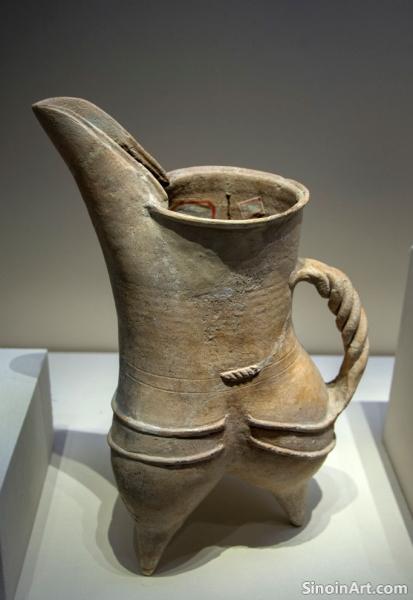 The use of sancai glazes on tomb figures added another layer of artistry and visual appeal. The bright colors and the flowing effect of the glaze made each figure unique. Sancai adds an extra dimension to the beauty of these pieces. The vibrant glazes made each piece stand out. The legacy of Tang tomb figures lies in their artistic beauty, their historical value, and their ability to connect us to the world of the Tang Dynasty. They are a reminder of the rich culture and artistry that flourished at the time. The artistry of the tomb figures remains highly prized. Keywords: Summary: |
Tag : Tang tomb figures, Chinese ceramics, Sancai pottery, Tang Dynasty art, Burial figures
Related information
- Sancai Glazes: A Tang Dynasty Innovation
- The Evolution of Tang Porcelain Forms
- The Role of Kilns in Tang Ceramic Production
- The Forms of Tang Ceramics: Function and Artistry
- The Dawn of Celadon Splendor
Sancai glazes, a key Tang innovation, are lead-based, three-color glazes (green, amber, and cream) applied to diverse ceramics, celebrated for their vibrant colors, distinctive textures, and reflection of the Tang Dynasty.
The forms and shapes of Tang Dynasty ceramics were as diverse and dynamic as the society that produced them. From simple utilitarian bowls to elaborate ceremonial vessels, the ceramic forms reflected the varied functions and aesthetic preferences of the time. The evolution of Tang ceramic forms was also driven by technical innovations and artistic experimentation, resulting in a wide range of shapes and sizes that showcase the ingenuity of Tang potters.
The advancements in kiln technology during the Tang Dynasty played a pivotal role in the transformation of Chinese ceramics. Kilns are the heart of ceramic production, and the innovations made during this period directly impacted the quality, variety, and scale of ceramic wares. Understanding Tang kilns sheds light on the technical expertise of potters and the sophisticated infrastructure that supported the flourishing ceramic industry.
Tang Dynasty ceramics feature diverse forms ranging from elegant ewers and sancai tomb figures to robust storage jars and architectural elements, showcasing the intersection of function, artistry, and the diverse needs of the era.
The Tang Dynasty (618-907 AD) represents a crucial period in the history of Chinese ceramics, particularly in the development and refinement of celadon wares. While not as dramatically innovative as the later Song dynasty, the Tang era saw a significant leap in kiln technology, material preparation, and artistic understanding that laid the groundwork for future ceramic masterpieces. Celadon, with its subtle green hues reminiscent of jade, enjoyed immense popularity, favored by both the imperial court and the burgeoning merchant class. Tang celadon wasn't just about mimicking jade; it was about capturing the essence of natural beauty and the philosophical ideals of the time.