The Symbolism in Chinese Bronze Ware: Decoding the Motifs and Patterns
|
The intricate designs and motifs found on Chinese bronze ware are not merely decorative; they possess deep symbolic meanings that reflect the religious beliefs, social values, and worldview of the ancient Chinese. Understanding these symbolic elements is crucial to fully appreciating the cultural significance of these remarkable objects. The designs and symbols on these artifacts provide deep insight into the beliefs of the era. 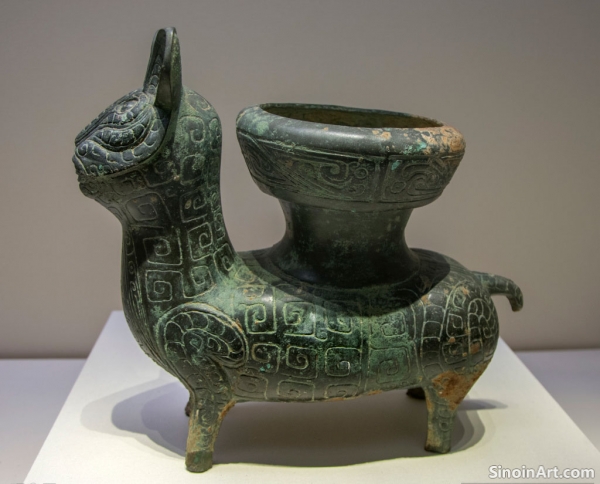 The taotie motif, a common design element on Shang Dynasty bronzes, is often interpreted as a symbol of power and protection, and it is often depicted as a composite animal figure with fierce features. The taotie was believed to ward off evil and to ensure good fortune. The taotie motif is one of the most recognizable symbols of the ancient Chinese world. 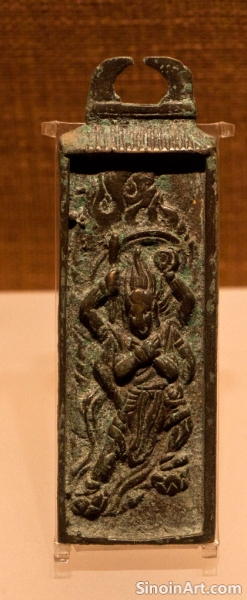 Other common motifs included dragons, phoenixes, and various geometric patterns, each with its own symbolic meaning. The dragon was often associated with power and royalty, while the phoenix often symbolized rebirth and renewal. Each symbol had its own distinct meaning. 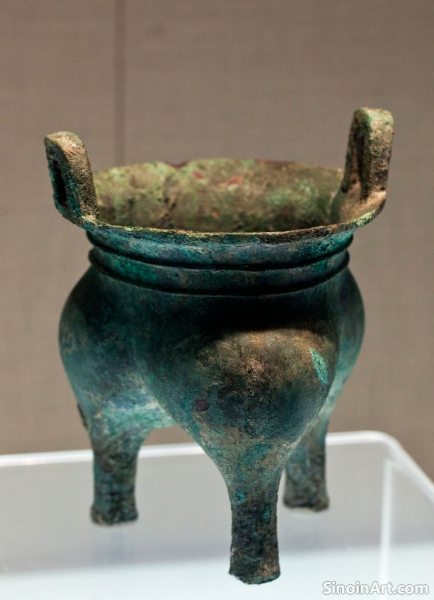 The use of specific colors, textures, and spatial arrangements in bronze ware also contributed to its overall symbolic meaning. The combination of design elements is an important aspect of the overall aesthetic. The combination of these design elements created a powerful visual language. By studying the symbolic language of Chinese bronze ware, we gain invaluable insights into the cultural and spiritual beliefs of the ancient Chinese. The patterns and forms of these bronze objects offer powerful ways of engaging with the ideas and values of the past. They provide a direct link to a long gone era. |
Tag : Chinese bronze symbolism, taotie motif, ancient Chinese patterns, bronze art, religious symbols
Related information
- The Use of Bronze in Ancient Chinese Medicine: Exploring the Relationship Between Materials and Healing
- Bronze Ware and the Rise of Cities in Ancient China: Power, Trade, and Urban Centers
- The Enduring Appeal of Chinese Bronze Ware: Timeless Art and Cultural Legacy
- Bronze Ware and the Representation of Authority: Imperial Symbols and Power
- Bronze Ware and Ancient Chinese Medicine: Tools and Beliefs About Health
This article explores the use of bronze in ancient Chinese medicine, highlighting the belief that the material itself possessed healing properties, and how it was used in creating vessels for preparing remedies, and in some therapeutic practices.
This article explores the connection between bronze ware and the rise of cities in ancient China, highlighting its role in economic activity, the concentration of wealth, the reinforcement of power, and the cultural flourishing of urban centers.
This article emphasizes the enduring appeal of Chinese bronze ware, highlighting its timeless beauty, its blend of function and symbolism, its ability to connect us with the ancient world, and the importance of continued study and preservation for future generations.
This article explores the representation of authority in Chinese bronze ware, highlighting the use of symbols, emblems, weapons, and other objects to demonstrate imperial and elite power, and the connections between material culture, political ideology, and the assertion of control.
This article explores the use of bronze in ancient Chinese medicine, highlighting the creation of surgical instruments, diagnostic tools, and vessels used for herbal remedies, and revealing the intersection of metallurgy and medical practices.