Famous Gongbi Artists: Masters of the Meticulous Brush
|
Throughout history, numerous artists have mastered the intricate art of Gongbi painting, each leaving their unique mark on the tradition. Studying the works of these renowned masters provides invaluable insights into the history, techniques, and aesthetics of this art form. Their contributions have shaped the development of Gongbi and continue to inspire contemporary artists. 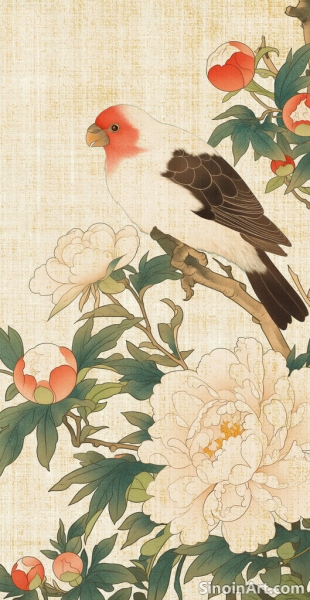 One of the most celebrated Gongbi artists of the Song Dynasty was Emperor Huizong (1082-1135), renowned not only for his own exquisite paintings but also for his patronage of the arts. Huizong’s bird-and-flower paintings, distinguished by their delicate precision and naturalistic details, remain among the most admired examples of the Song Dynasty style. His influence on the development of Gongbi painting is undeniable. 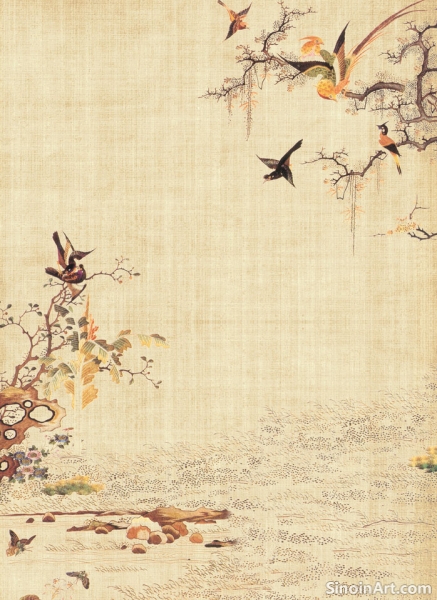 Li Tang (c. 1050-1130) was another important Song Dynasty master known for his landscape paintings, often using the meticulous Gongbi style to capture the grandeur of the natural world. His works showcase not only technical precision but also a deep understanding of composition and perspective. His landscapes have a timeless feel, showing the vastness of the natural world. 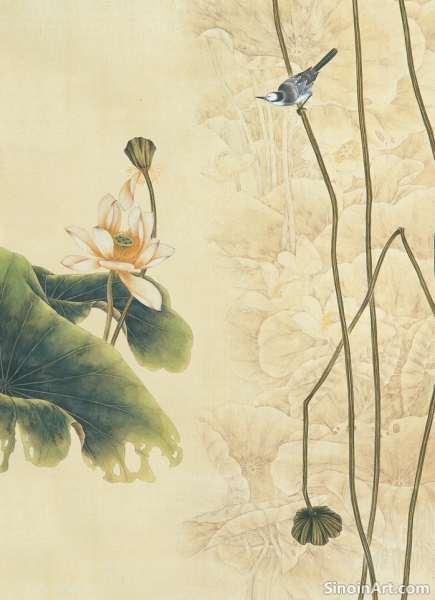 Qiu Ying (c. 1494-1552) was a Ming Dynasty painter renowned for his detailed figure paintings. His works feature scenes from literature and court life, depicting elaborate costumes, intricate architecture, and graceful figures. Qiu Ying’s paintings showcase a masterful command of line, color, and composition, demonstrating his innovative approach to the tradition. Chen Hongshou (1598-1652) was a late Ming Dynasty painter known for his expressive and distinctive style, which combined the meticulous detail of Gongbi with a more personal and gestural approach. His figure paintings are characterized by their stylized forms and bold color palettes, representing his unique approach to the traditional technique. He added a sense of personality and style to the Gongbi form. In contemporary times, there are many accomplished Gongbi artists who continue to push the boundaries of this traditional art form. Their works demonstrate the enduring vitality and relevance of Gongbi painting in the modern world. Studying the works of these masters and their successors is an invaluable experience for anyone interested in this art form. By studying the lives and works of these famous Gongbi artists, one can gain a deeper appreciation for the rich history and enduring power of this meticulous art form. They have not only perfected the technique but also used it to communicate powerful artistic and cultural statements. Their work serves as an inspiration and a guiding light for aspiring Gongbi artists. |
Tag : Famous Gongbi Artists, Chinese Art Masters, Song Dynasty Painters, Ming Dynasty Art, Traditional Chinese Artists
Related information
- Commissioning a Gongbi Painting: What You Need to Know
- Preserving Gongbi: The Importance of Education and Practice
- Gongbi and the Use of Stippling and Pointillism Techniques
- Gongbi Painting and its Use in Book Illustration
- The Gongbi Line: A Foundation of Precision and Expressiveness
This article provides a guide for those interested in commissioning a Gongbi painting, highlighting the importance of clear communication, artist selection, understanding the process, setting realistic timelines, and managing budget expectations.
Emphasizes the importance of education and practice for preserving the techniques and traditions of Gongbi painting, advocating for community support and the passing down of skills.
This article explores the use of stippling and pointillism techniques in Gongbi painting, highlighting how the careful application of dots or points of color creates unique textures, visual effects, and expands the range of expression within this traditional art form.
This article explores the use of Gongbi painting in book illustration, highlighting its ability to bring narratives to life through detailed depictions, accurate representations, and vibrant colors, and how this enhances the reader's understanding and appreciation of the text.
Gongbi lines are characterized by their fineness, evenness, and consistent width. Artists utilize specialized fine-pointed brushes to create these lines, ensuring that every stroke is deliberate and controlled. The consistent thickness of the lines requires years of practice, and this skill is central to the Gongbi style. It is within the precise lines that the work begins to define itself.