The Challenges of Reconstructing Ancient Bronze Casting Techniques: Experimental Archaeology
|
Reconstructing the ancient bronze casting techniques used in ancient China presents a complex set of challenges, requiring a combination of archaeological evidence, historical analysis, and experimental archaeology, where modern metalworkers try to reproduce artifacts using the same tools and methods that were employed in the past. These types of experiments help us to better understand the complex skills required for this type of work. The difficulties in replicating the casting techniques used in the ancient world helps to emphasize the sophistication of the original designs. 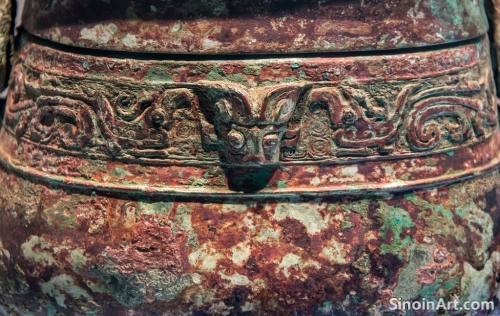 Experimental archaeology involves recreating the tools, materials, and techniques of ancient bronze workers in order to understand the complex processes involved in the casting and shaping of these objects. The careful replication of these techniques helps to highlight the high level of expertise required to create these objects. The experiments help to clarify the various steps of the process. 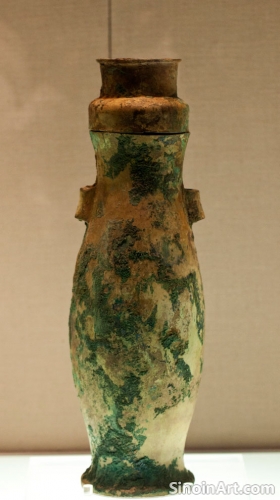 These experiments have helped to reveal the skills required for mold making, alloy mixing, temperature control, and the application of decorative patterns, leading to a deeper appreciation for the level of craftsmanship involved. The practical experience of working with bronze reveals many aspects of these designs that would be difficult to understand through analysis alone.  By using methods that are similar to those of the past, modern craftspeople are able to gain new understandings of the challenges faced by the bronze workers of the past. The recreation of these works helps to give a better perspective on the achievements of ancient Chinese artists and craftspeople. The continued study of these historical techniques offers valuable insights into the technological innovations of ancient China, showing the ingenuity and skill that was essential to the creation of these objects, as well as the challenges that ancient craftspeople would have faced. The ongoing research helps to emphasize and highlight the impressive achievements of ancient metalworkers. |
Tag : bronze casting experiments, experimental archaeology, ancient metallurgy, reproduction methods, Chinese technology
Related information
- The Enduring Allure of Chinese Bronze Ware: A Source of Inspiration and Study
- The Enduring Appeal of Chinese Bronze Ware: Timeless Art and Cultural Legacy
- Bronze Ware and the Development of Ancient Chinese Calendar Systems: Marking Time and Ritual Cycles
- The Ethical Implications of Owning and Displaying Looted Chinese Bronze Ware
- Bronze Ware and the Development of Ancient Chinese Trade Routes: Pathways for Exchange and Innovation
This article reflects on the enduring allure of Chinese bronze ware, highlighting its technical skill, artistic beauty, historical significance, and the importance of its study and preservation for future generations.
This article emphasizes the enduring appeal of Chinese bronze ware, highlighting its timeless beauty, its blend of function and symbolism, its ability to connect us with the ancient world, and the importance of continued study and preservation for future generations.
This article explores the use of bronze in ancient Chinese calendar systems, highlighting its role in creating timekeeping devices like sundials, tracking the passage of time, and linking calendars to both agricultural and ritual cycles.
This article examines the ethical implications of owning and displaying looted Chinese bronze ware, emphasizing the need for responsible collecting practices, respect for cultural heritage, and a careful understanding of provenance.
This article explores the relationship between bronze ware and ancient Chinese trade routes, highlighting how the movement of objects and raw materials fostered cultural exchange, innovation, and the development of complex economic networks.