The Allure of Leisure Seals: An Introduction to Xian Zhang
|
Chinese leisure seals, or xiánzhāng, represent a captivating facet of the Chinese seal carving tradition. Unlike name seals and studio seals which serve specific identification or locational functions, leisure seals are created for personal enjoyment and artistic expression. These seals often feature short phrases, literary allusions, or personal mottos that reflect the owner's interests, beliefs, or state of mind. Xian Zhang embody a unique sense of freedom and artistic innovation. 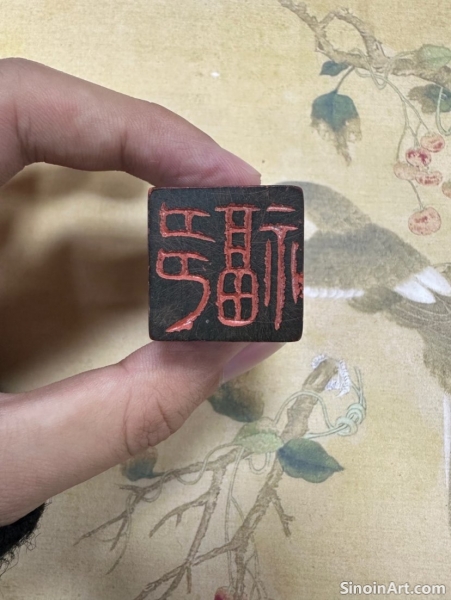 Historically, the development of leisure seals is linked to the growing importance of personal expression in Chinese culture. Scholars, artists, and intellectuals began to use these seals to decorate their personal works, express their aesthetic tastes, or reflect on philosophical ideas. They served as a way to connect to personal and artistic ideals.  The design of a leisure seal is characterized by its freedom and creativity. The choice of inscription is often subjective and varies widely, ranging from poetic phrases, philosophical quotes, to humorous sayings. The seal's form is also less constrained than that of name seals, often featuring unconventional shapes and designs. There is a wide degree of freedom in both inscription and design.  The use of leisure seals is not limited to any specific context. They may be stamped on paintings, calligraphy pieces, letters, or even personal belongings, adding a layer of artistic and personal significance. Their purpose is to reflect the owner's personality and to show a sense of their personal tastes. The creation of a leisure seal is an act of artistic self-expression. The choice of characters, script style, material, and design all reflect the owner’s individual aesthetic sensibility and personal philosophy. They often become cherished possessions, used as a means of both personal expression and artistic enrichment. |
Tag : Chinese Leisure Seals, Xian Zhang, Free Seals, Hobby Seals, Seal Carving Art
Related information
- Seal Carving in Painting and Calligraphy: A Finishing Touch
- The Use of Collector's Seals in Art Authentication and Provenance Research
- Famous Leisure Seal Carvers and Their Unique Styles
- The Use of Leisure Seals in Contemporary Art and Design
- The Contemporary Relevance of Seal Carving: A Living Tradition
This article explores the use of Chinese seals as a finishing touch in painting and calligraphy, emphasizing their role in composition, authentication, contrast, and expressing symbolic meaning.
This article discusses the crucial role of collector's seals in art authentication and provenance research, exploring how these seals provide valuable information about the history of ownership and the authenticity of artworks.
This article highlights the works of notable leisure seal carvers throughout history, discussing their innovative techniques, distinctive styles, and lasting contributions to the art of xiánzhāng.
This article explores how leisure seals are being incorporated into contemporary art and design, discussing their modern relevance and the ways in which artists are reinterpreting this ancient tradition.
This article explores the contemporary relevance of Chinese seal carving, highlighting how modern artists are incorporating new themes, materials, technologies, and embracing globalization, all while remaining true to the traditions of the art form.