Seal Carving in Painting and Calligraphy: A Finishing Touch
|
Chinese seals are not merely used for signing documents; they are an integral part of Chinese painting and calligraphy, serving as a finishing touch that enhances the aesthetic appeal and adds an extra layer of meaning to the artwork. The seal is an essential part of most traditional Chinese art forms. It serves as more than just a practical element. 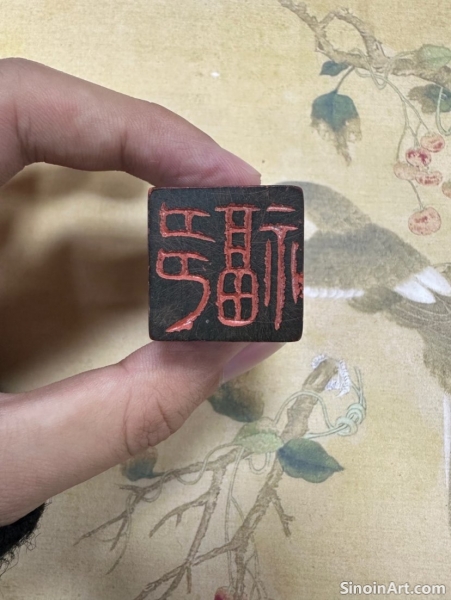 The placement of seals in a painting or calligraphy is a crucial aspect of its overall composition. The seals are often strategically placed to create balance, harmony, and visual flow within the artwork. The placement is an integral part of the overall visual appeal. The seal becomes part of the whole composition.  Seals serve as a form of artist’s signature, authenticating the artwork and signifying ownership and creativity. They are a means for artists to mark their work. They also serve as a marker of the artist's personal creativity. 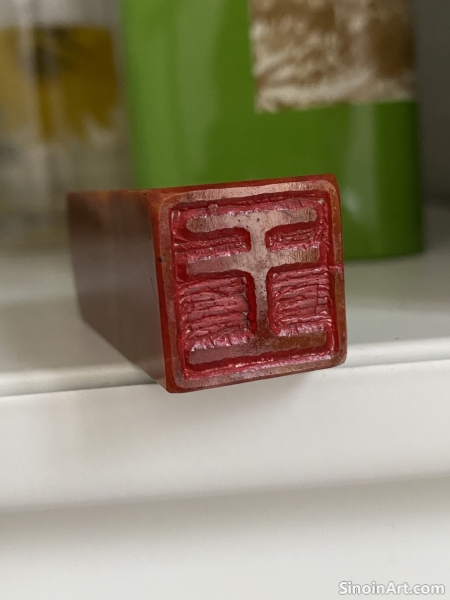 Seals also add a touch of red to traditional Chinese artwork, which often features black ink on white paper. This vibrant contrast enhances the aesthetic of the piece. The color red adds an important element of contrast. This is a traditional element of composition in Chinese artwork. Beyond these practical and aesthetic functions, the seals in paintings and calligraphy are often chosen for their symbolic meaning, reflecting the themes and ideas of the artwork. Each seal and the characters on them, often have personal meaning. This adds another layer to the meaning of the art form. Contemporary artists continue to embrace the use of seals in their paintings and calligraphy, demonstrating the enduring importance of this traditional art form. It allows the artists to build upon tradition with their unique artistic style. This continues to be an important part of Chinese artwork. In essence, the seals in Chinese paintings and calligraphy are not just a finishing touch; they are a vital component of the artwork, contributing to its aesthetic appeal, authenticity, and overall meaning. They enhance the artwork and are a part of the whole artistic composition. |
Tag : Seals in Art, Chinese Painting, Calligraphy Techniques, Artistic Signatures, Compositional Elements
Related information
- The Historical Evolution of Leisure Seals: From Early Forms to Modern Interpretations
- The Tools of the Trade: Essential Equipment for Seal Carving
- The Preservation of Seal Carving: Safeguarding an Ancient Art
- Famous Leisure Seal Carvers and Their Unique Styles
- The Use of Leisure Seals in Contemporary Art and Design
This article traces the historical development of leisure seals, from their early origins to their contemporary forms, highlighting key changes in design, usage, and cultural significance.
This article outlines the essential tools used by seal carvers, from the selection of chisels to the preparation of stone, explaining their specific functions and how they contribute to the finished product.
This article explores the importance of preserving Chinese seal carving, focusing on the need for documentation, education, innovation, and the involvement of cultural institutions.
This article highlights the works of notable leisure seal carvers throughout history, discussing their innovative techniques, distinctive styles, and lasting contributions to the art of xiánzhāng.
This article explores how leisure seals are being incorporated into contemporary art and design, discussing their modern relevance and the ways in which artists are reinterpreting this ancient tradition.