Famous Leisure Seal Carvers and Their Unique Styles
|
The tradition of leisure seal carving is rich with the contributions of master artists who have pushed the boundaries of the art form. Their unique styles and innovative techniques continue to influence and inspire contemporary artists, and are valuable resources for the study of seal carving. Their influence on the art form cannot be understated. 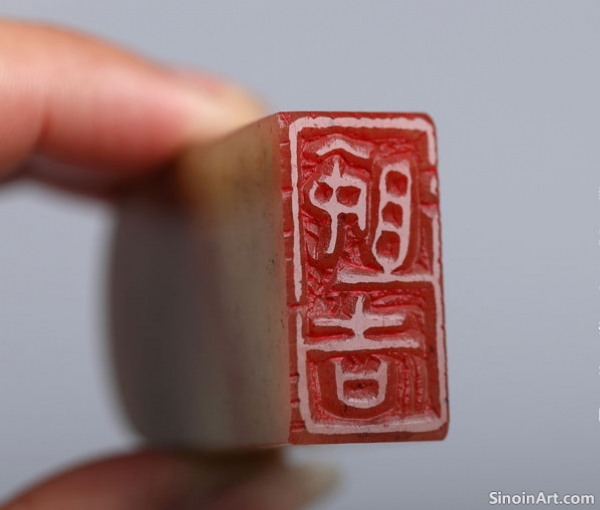 Among the most celebrated leisure seal carvers is Wen Peng (文彭), a Ming Dynasty artist known for his elegant and refined style. His seals often featured calligraphic inscriptions that reflected his deep understanding of classical literature and his mastery of seal script. Wen Peng was a master of both calligraphy and carving, whose innovative techniques continue to inspire carvers today. 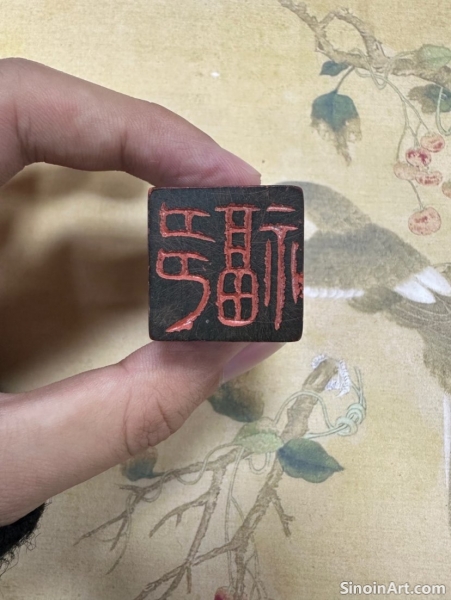 Ding Jing (丁敬), a Qing Dynasty artist, is known for his bold and expressive leisure seals. His seals often feature unique design elements and unconventional layouts, adding a sense of dynamism and vitality to the art form. Ding Jing pushed the boundaries of the art, and helped to establish new aesthetic styles. 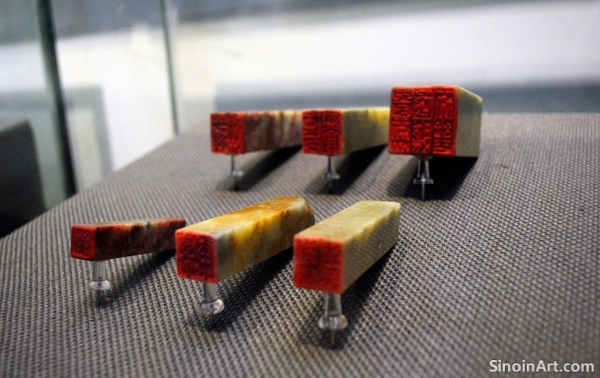 Zhao Zhiqian (赵之谦), another prominent Qing Dynasty seal carver, explored a variety of styles and techniques, pushing the boundaries of the art form. Zhao's versatile style, and his ability to combine traditional and modern aesthetics made his work highly influential. These artists, among others, have shaped the tradition of leisure seal carving, demonstrating the diversity and artistic potential of this art form. Their unique styles and innovative techniques continue to be studied and admired. Their influence is a central part of the long tradition of seal carving. The study of these master carvers is essential for understanding the nuances of leisure seal carving. Their works provide a wealth of inspiration and demonstrate the artistry and skill involved in the creation of these small but powerful works of art. |
Tag : Famous Leisure Seal Carvers, Xian Zhang Masters, Chinese Artists, Seal Carving Styles, Seal Art
Related information
- The Historical Evolution of Name Seals: From Ancient Origins to Modern Practice
- Seal Carving in Painting and Calligraphy: A Finishing Touch
- The Significance of Red: The Vermilion Ink in Seal Impressions
- The History of Seal Carving: From Function to Art
- The Seal Script: A Calligraphic Foundation of Seal Carving
This article traces the historical development of name seals in China, from their early origins to their continued practice in modern times, highlighting key changes and developments in their design and usage.
This article explores the use of Chinese seals as a finishing touch in painting and calligraphy, emphasizing their role in composition, authentication, contrast, and expressing symbolic meaning.
This article explores the significance of the color red, specifically vermilion ink, in Chinese seal carving, highlighting its symbolism of prosperity, authority, and personal identity.
This article traces the history of Chinese seal carving, from its functional origins in ancient China to its evolution into a refined art form, highlighting its development across different dynasties.
This article delves into the significance of the seal script (zhuanshu), a form of Chinese calligraphy that serves as the foundation for seal carving, exploring its history, forms, and artistic principles.