The Use of Leisure Seals in Contemporary Art and Design
|
Leisure seals, once primarily associated with traditional Chinese art, are now finding new relevance in contemporary art and design. Artists and designers are incorporating leisure seals into a variety of projects, exploring their unique aesthetic qualities and adding a sense of cultural heritage to modern works. The adaptation of the art form to modern aesthetics ensures its continued relevance.  In contemporary art, leisure seals are being used in a variety of ways, from printmaking and collage to mixed-media installations and digital art. Artists are experimenting with new techniques and materials, pushing the boundaries of traditional seal carving and creating unexpected combinations of old and new. The art form is being adapted to contemporary artistic styles. 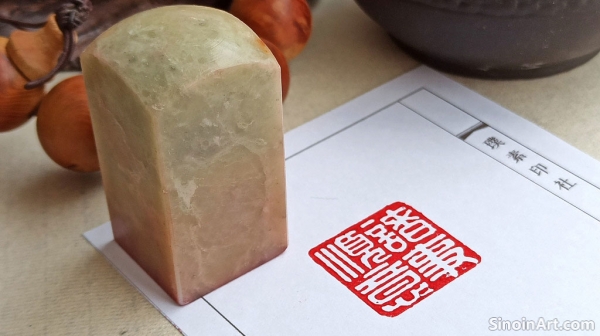 In graphic design and branding, leisure seals are used to add a touch of authenticity, elegance, and cultural significance. Their use in modern graphics adds a visual interest, and ties the modern designs back to the long traditions of Chinese art. The seals are used to add a touch of tradition to modern designs.  Contemporary calligraphers often use leisure seals to add a personal dimension to their work, using them as a form of visual signature or personal statement. These seals offer an additional artistic dimension to their calligraphic works. The integration of seals adds a further layer of meaning to calligraphic works. The incorporation of leisure seals into contemporary art and design demonstrates their enduring relevance as a form of artistic expression. They serve as a bridge between the past and present, and serve to enrich the cultural context of modern works. By adapting to new aesthetic sensibilities, they also maintain their relevance. The dynamic interplay between traditional and contemporary applications ensures the continued vitality of leisure seals as a powerful form of visual communication. They continue to inspire and to be adapted by new artists and designers. |
Tag : Leisure Seals in Modern Art, Contemporary Seal Design, Art Innovation, Seal Art Today, Modern Calligraphy
Related information
- Techniques of Chinese Seal Carving: A Hands-On Art
- The Philosophy of Seal Carving: More Than Just Art
- Collecting Studio Seals: Tips for Appreciating and Acquiring
- Famous Seal Carvers and Their Legacy: Masters of Zhuanke
- Collector's Seals and Provenance
Learn about the intricate techniques of Chinese seal carving. Explore the process, from design to carving, and discover different methods such as zhuwen and baiwen.
This article explores the philosophical underpinnings of Chinese seal carving, examining its connection to Daoism, Confucianism, the concept of yin and yang, and the practice of meditative creation.
This article provides a practical guide for those interested in collecting studio seals, with advice on evaluating pieces, developing informed taste, and understanding the market for these unique art objects.
This article highlights some of the most influential seal carvers in Chinese history, discussing their distinctive styles, techniques, and the lasting impact they had on the art of zhuanke.
Collector’s seals play a crucial role in establishing the provenance, or history of ownership, of a work of art or a book. The history of ownership is an essential component of establishing the value of a piece.