Inscriptions of Studio Seals: Unveiling the Character of the Space
|
The inscriptions on zhāiguǎn yìnzhāng are far more than just names; they are carefully chosen words that convey the essence and character of the studio or hall they represent. These inscriptions offer insights into the owner's philosophical outlook, artistic interests, and intellectual pursuits. Understanding the nuances of these inscriptions allows for a deeper appreciation of the significance of studio seals. The inscriptions are meant to reflect the owner's character and values. 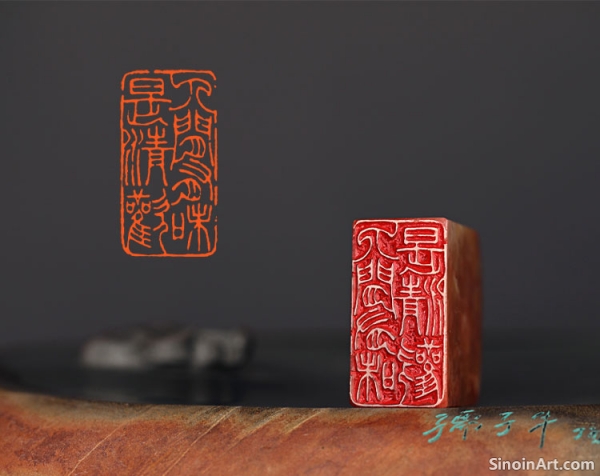 Studio seal inscriptions often include references to nature, reflecting a deep appreciation for the natural world. Phrases like "Bamboo Study," "Orchid Hall," or "Mountain Retreat" evoke a sense of tranquility and a connection to the beauty of the surrounding landscape. The names can offer great insights into the owner's personality, and their values. 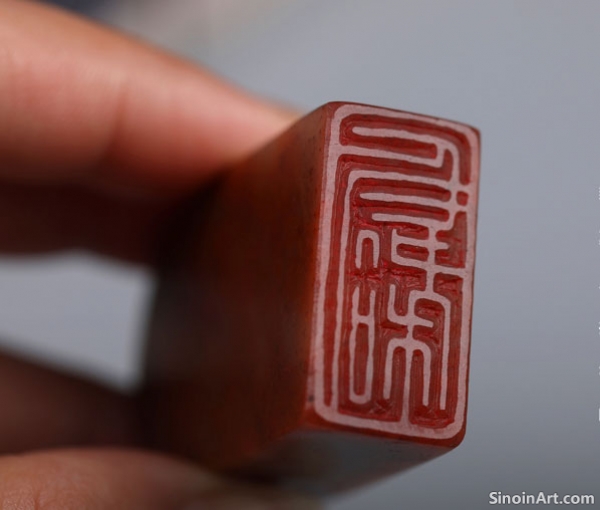 Inscriptions may also be drawn from classical literature or philosophical texts, revealing the owner's intellectual interests and areas of study. Names such as "Hall of Learning," "Studio of Inquiry," or "Pavilion of Classic Literature" convey a dedication to academic pursuits and the exploration of knowledge. The names of halls and studios often reflect their intended purpose.  Many studio seals carry inscriptions that express personal aspirations or philosophical ideals. Phrases like "Studio of Serenity," "Hall of Contentment," or "Retreat of Purity" reflect the owner's quest for inner peace and spiritual enlightenment. These names reveal much about the owner, and their personal values. The choice of calligraphy for the inscription also contributes to the overall meaning of the studio seal. Different script styles, such as seal script, clerical script, or running script, convey different aesthetic qualities and historical contexts. A specific calligraphy may often point to a certain era, or to specific influences of the carver. The inscriptions of studio seals are a window into the inner world of their owners. They offer a glimpse into the values, aspirations, and intellectual passions that define the spaces in which they created, studied, and contemplated. The inscriptions represent a way for the artist to communicate their unique character. |
Tag : Studio Seal Inscriptions, Zhaiguan Seal Text, Hall Name Meanings, Seal Calligraphy, Chinese Epigraphy
Related information
- Techniques of Chinese Seal Carving: A Hands-On Art
- Seal Carving as a Personal Art Form: Expressing Individuality
- Seal Carving Workshops and Courses: Learning the Ancient Craft
- The Role of Leisure Seals in Chinese Art and Literature
- Famous Leisure Seal Carvers and Their Unique Styles
Learn about the intricate techniques of Chinese seal carving. Explore the process, from design to carving, and discover different methods such as zhuwen and baiwen.
This article explores how Chinese seal carving serves as a personal art form, emphasizing how artists express individuality through character selection, arrangement, carving style, and material choices.
Discover the world of Chinese seal carving by enrolling in workshops or courses. Learn about techniques, materials, and design, and connect with a community of artists and enthusiasts.
This article explores how leisure seals are used in Chinese painting, calligraphy, and literary works, adding a personal touch, aesthetic dimension, and layer of cultural meaning to these art forms.
This article highlights the works of notable leisure seal carvers throughout history, discussing their innovative techniques, distinctive styles, and lasting contributions to the art of xiánzhāng.