Collecting Leisure Seals: Understanding Artistic and Cultural Value
|
Collecting leisure seals is a rewarding pursuit for those passionate about Chinese art and culture. However, it is important to approach the process with knowledge, discernment, and an understanding of the factors that contribute to the value and authenticity of these objects. It is important to learn about both artistic and economic value. 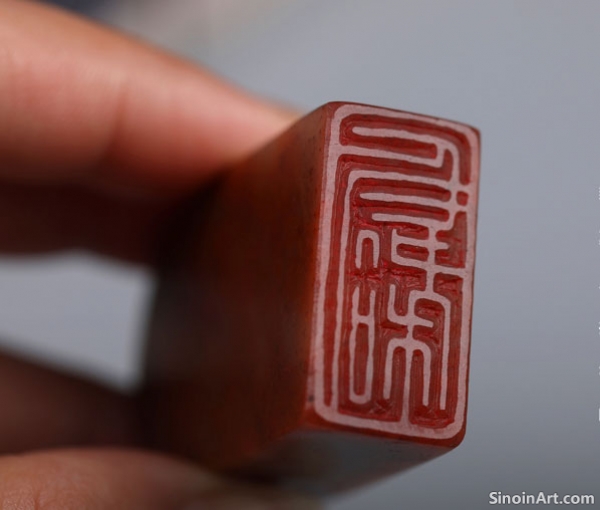 When evaluating a leisure seal, several factors must be considered. The quality of the carving, the artistic merit of the design, the cultural significance of the inscription, and the provenance of the piece all contribute to its value. Understanding the different factors will help to develop an informed collecting practice. 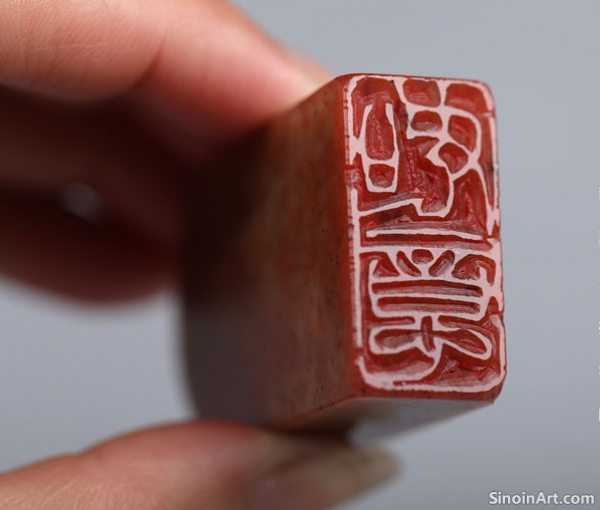 The provenance of a leisure seal, or its history of ownership, can be just as important as the piece itself. Knowing who created a seal, who owned it, and its historical context can significantly increase its value and cultural significance. Provenance can be one of the most important factors in assessing a seal. 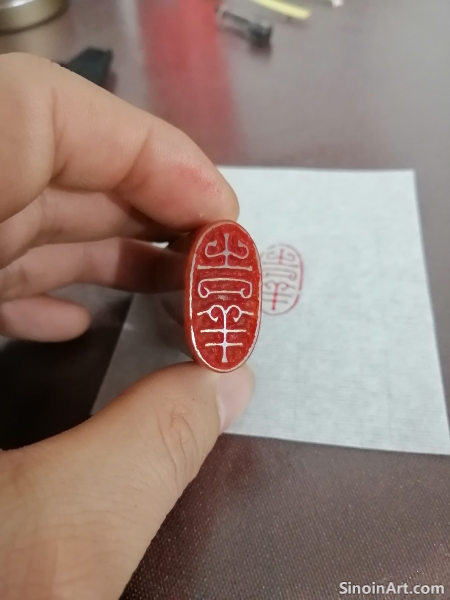 Rarity is another significant factor affecting the value of leisure seals. Seals made from rare materials, created by well-known artists, or featuring unique inscriptions tend to be more highly prized. Identifying and assessing rarity will make a collector more informed and effective. Collectors should also be aware of the possibility of encountering forgeries in the market. Understanding the traits and techniques used by forgers will help in assessing the authenticity of pieces. Collectors should also take care to understand the provenance and history of the items they collect. Collecting leisure seals is not merely about acquisition; it is a journey into the world of Chinese art and culture. By understanding the artistic value, cultural significance, and market dynamics of leisure seals, collectors can build meaningful collections and contribute to the preservation of this unique art form. Collectors also have a responsibility to care for these objects, and to maintain their historical and cultural value. |
Tag : Collecting Leisure Seals, Xian Zhang Art, Seal Collection, Art Collecting Tips, Seal Authenticity
Related information
- Famous Seal Carvers and Their Legacy: Masters of Zhuanke
- Collector's Seals and Provenance
- The Historical Evolution of Name Seals: From Ancient Origins to Modern Practice
- The Significance of Red: The Vermilion Ink in Seal Impressions
- Characters and Inscriptions on Collector's Seals
This article highlights some of the most influential seal carvers in Chinese history, discussing their distinctive styles, techniques, and the lasting impact they had on the art of zhuanke.
Collector’s seals play a crucial role in establishing the provenance, or history of ownership, of a work of art or a book. The history of ownership is an essential component of establishing the value of a piece.
This article traces the historical development of name seals in China, from their early origins to their continued practice in modern times, highlighting key changes and developments in their design and usage.
This article explores the significance of the color red, specifically vermilion ink, in Chinese seal carving, highlighting its symbolism of prosperity, authority, and personal identity.
The characters and inscriptions on collector's seals often provide valuable information about the collector, their interests, and their relationship to the artwork or object being marked. The text included on the seals often conveys important information about the collector’s personality and preferences.