The Calligraphy Connection: Scripts in Chinese Seal Design
|
Calligraphy and seal carving are inextricably linked in Chinese culture. The art of seal carving is not just about shaping materials; it's about crafting beautiful and meaningful characters. The script used on a seal is an integral part of its design and meaning. Understanding the different styles of Chinese calligraphy and their influence on seal carving is essential for appreciating the depth of this art form. 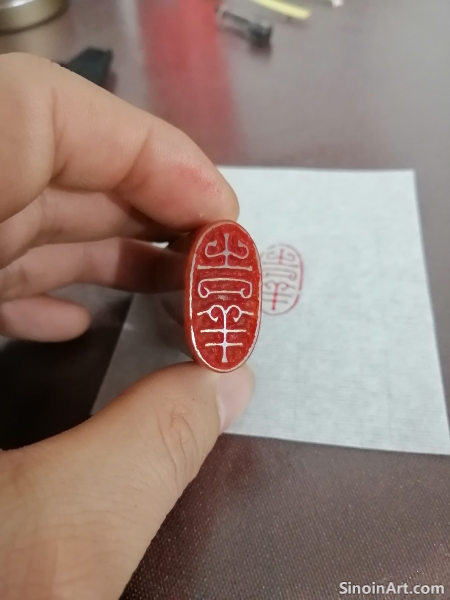 Several ancient script styles are commonly used in seal carving. The oldest is Seal Script (篆書, zhuanshu), which dates back to the Zhou Dynasty. This script is characterized by its elegant and symmetrical lines, often used in classical seals. Another common style is Clerical Script (隸書, lishu), which emerged during the Han Dynasty. Clerical script is known for its broader strokes and more rectangular shapes, making it adaptable for seal carving. 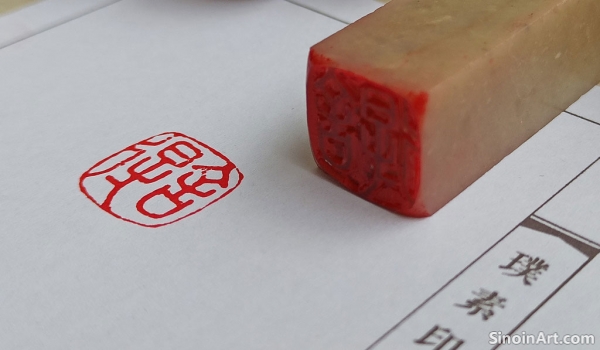 Different script styles often convey different connotations. Seal script is associated with tradition, formality, and antiquity. Clerical script has a slightly less formal feel, adding a more contemporary touch while still being rooted in history. The choice of script style often depends on the carver's preference and the intended use of the seal.  The carver must be skilled in both calligraphy and carving to effectively utilize these script styles. Understanding the proper proportions, spacing, and stroke order of each character is crucial. The skill of a seal carver lies in translating the beauty of calligraphy into carved stone. The combination of calligraphy and carving techniques can result in a rich and expressive art form. In modern seal carving, some artists are experimenting with new ways of using classical scripts or even incorporating modern font designs. They may use unconventional spacing or arrangements, creating a contemporary interpretation of the traditional art form. These experiments highlight the constant evolution of this ancient practice. |
Tag : seal script, Chinese calligraphy, zhuanshu, lishu, seal design scripts
Related information
- Famous Collectors and Their Seal Collections: A Legacy of Connoisseurship
- Learning Seal Carving: A Journey of Patience and Skill
- The Materials of Collector's Seals
- The Mark of the Collector
- The Use of Collector's Seals in Art Authentication and Provenance Research
This article highlights the collections of famous Chinese art collectors throughout history and their use of collector's seals, exploring the impact of their patronage and connoisseurship on the art world.
This article provides an overview of the different avenues for aspiring seal carvers, including private instruction, formal education, online resources, and the importance of consistent practice.
The materials used to create collector's seals can range from the humble to the luxurious, reflecting the owner’s financial status and artistic preferences. The material used in a seal often serves to signify the wealth and prestige of the collector.
Collector's seals, or shoucang yinzhang, are distinctive marks of ownership and connoisseurship used by collectors of art, books, and other valuable objects in China. These seals are more than just ownership markers; they are also expressions of personal taste, aesthetic values, and engagement with the piece being marked. The seals help to identify who has collected the object, and what they thought of its merit.
This article discusses the crucial role of collector's seals in art authentication and provenance research, exploring how these seals provide valuable information about the history of ownership and the authenticity of artworks.