Bronze Ware and Ancient Chinese Trade Networks: Evidence of Cultural and Economic Exchange
|
The distribution of bronze ware across ancient China was facilitated by extensive trade networks that spanned vast distances, reflecting the complex economic and cultural interactions of the time. The movement of these precious materials and finished goods helped to link different areas of the country. The trade routes of ancient China were essential to its economic and cultural development. 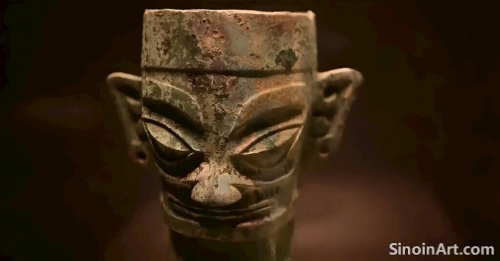 The presence of bronze artifacts from different regions of China at archaeological sites provides clear evidence of these trade networks, with the movement of bronze along these routes revealing the influence of different styles, techniques, and cultural ideas. The discoveries of artifacts far from their point of origin is evidence of the vast trading networks of the era. The interconnected nature of ancient China is revealed in the distribution of these objects.  The trade of bronze raw materials, such as copper and tin, also played a key role in the economic structure of ancient China, creating a high demand for resources and a powerful impetus for trade. The creation of trading routes to support the bronze industry reveals how far reaching its influence was. The demand for bronze helped to shape trade and economic activity throughout the region. 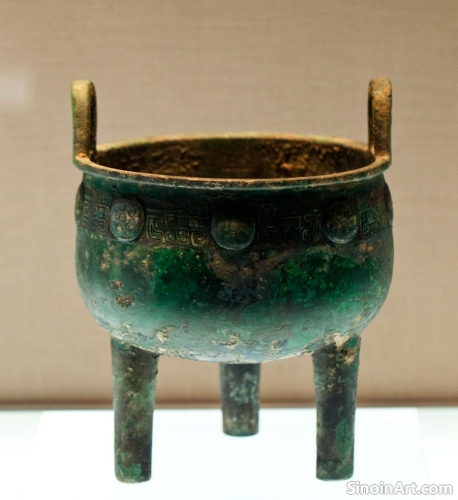 The study of trade networks and their connection to bronze production helps to illuminate the complex economic and social systems that existed in ancient China, highlighting the importance of both regional connections and long distance cultural exchange. The trade routes reveal the complex interplay between economic needs and artistic creativity. The study of these networks helps us to paint a fuller picture of ancient Chinese life. |
Tag : bronze trade networks, ancient Chinese trade, Silk Road, economic exchange, cultural connections
Related information
- Bronze Ware and the Representation of Power in Ancient Chinese Royal Tombs: Scale, Detail, and Symbolism
- Bronze and the Development of Early Chinese Astronomy: Tools of Observation and Understanding
- The Evolution of Bronze Mirror Design: From Early Simplicity to Ornate Patterns and Narrative Scenes
- The Art of Bronze Casting: Techniques and Innovations in Ancient China
- Bronze Ware and the Development of Ancient Chinese Music Theory: The Role of Tuned Instruments
This article explores the use of bronze ware in ancient Chinese royal tombs, highlighting its role in conveying power and wealth, its use of scale and detail, its symbolic designs, and how these objects were intended to ensure the continued recognition of the deceased in the afterlife.
This article explores the use of bronze in ancient Chinese astronomy, highlighting the creation of astronomical instruments such as armillary spheres and sundials, and demonstrating how these objects facilitated the observation and understanding of the universe.
This article explores the evolution of bronze mirror design in ancient China, highlighting the shift from simple forms to more complex designs, including the use of intricate patterns, symbolic imagery, and narrative scenes, demonstrating the interplay between art, technology, and cultural change.
This article explores the art of bronze casting in ancient China, highlighting the development of techniques like piece-mold casting and the lost-wax method, and emphasizing the control of alloys, temperature, and the innovations of ancient metalworkers.
This article explores the influence of bronze ware on the development of ancient Chinese music theory, highlighting the role of tuned instruments, especially bianzhong bells, and their impact on scales, harmonies, and the understanding of musical structure.