Materials Used for Studio Seals: From Stone to Jade and Beyond
|
The selection of materials for a zhāiguǎn yìnzhāng is a critical part of the creative process. The material not only impacts the visual appearance of the seal but also its tactile qualities and the ease of carving. Different materials possess their unique aesthetic properties and practical advantages, offering a diverse range of options for seal carvers. The material is chosen for both practical and aesthetic considerations. 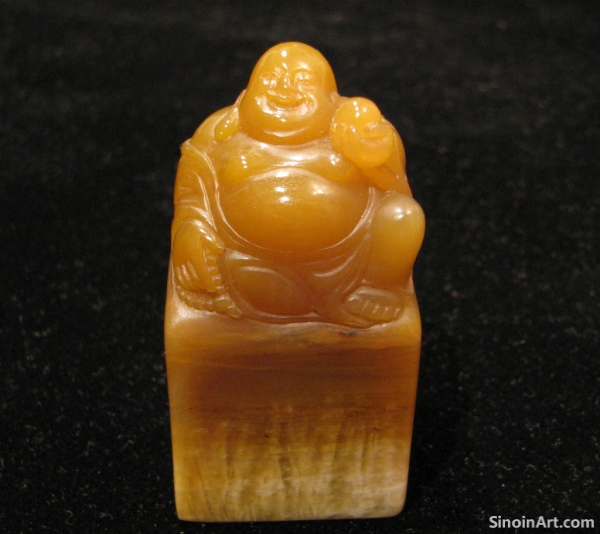 Stone is the most common material for creating studio seals, with various types of stones used based on their color, texture, and hardness. Soapstone, a soft stone with a smooth texture, is a popular choice for its ease of carving. Shoushan stone, with its beautiful colors and patterns, is also highly prized for its aesthetic appeal. Other stone varieties provide a wider range of choice to carvers.  Jade, a symbol of prestige and value in Chinese culture, is also used in creating studio seals. Jade is a particularly challenging material to carve, but its hardness and lustrous appearance make it highly desirable. Jade seals are often considered the most luxurious type of studio seal, and carry cultural significance.  Beyond stone and jade, other materials such as wood, horn, ivory, and metal have been used to create studio seals, each offering unique aesthetic qualities and practical characteristics. These non-traditional options provide a wider range of artistic choices. The choice of material is a reflection of both personal and artistic preferences. The choice of material can also influence the meaning of the seal. Jade, with its associations with wealth and status, is often chosen for studio seals used by high-ranking officials or wealthy collectors, while the selection of stone is often determined by its specific carving qualities. There are also practical concerns when choosing a material. The diversity of materials used for studio seals reflects the creativity and resourcefulness of Chinese seal carvers. Each material brings its own unique character to the artwork, allowing for a wide range of artistic expression within the tradition of seal carving. The variety of materials reflect the diverse interests and styles of the artists. |
Tag : Studio Seal Materials, Seal Stone, Jade Seals, Chinese Carving Stones, Seal Making
Related information
- Styles of Seal Carving: Exploring Regional and Artistic Differences
- Seal Carving Workshops and Courses: Learning the Ancient Craft
- Famous Seal Carvers in Chinese History: The Masters of Zhuanke
- Seal Carving as a Personal Art Form: Expressing Individuality
- Form and Design of Leisure Seals: Embracing Freedom and Creativity
This article explores the various styles of Chinese seal carving, highlighting regional and historical differences from Qin and Han dynasties to styles of the Ming and Qing, emphasizing the diversity of the art form.
Discover the world of Chinese seal carving by enrolling in workshops or courses. Learn about techniques, materials, and design, and connect with a community of artists and enthusiasts.
Discover the lives and works of famous Chinese seal carvers throughout history. Learn about the contributions of masters like Zhao Mengfu, Wen Peng, and Qi Baishi to the art of zhuanke.
This article explores how Chinese seal carving serves as a personal art form, emphasizing how artists express individuality through character selection, arrangement, carving style, and material choices.
This article explores the diverse range of shapes, forms, and design elements found in leisure seals, highlighting the freedom of expression that distinguishes them from other types of seals.