Famous Seal Carvers in Chinese History: The Masters of Zhuanke
|
Throughout Chinese history, many exceptional seal carvers have left their mark on the art of zhuanke. These masters, through their talent and innovation, not only perfected their craft but also influenced later generations of artists. Their unique styles, techniques, and contributions are studied and admired by seal carvers today. Understanding their contributions enriches the appreciation of the history of seal carving. 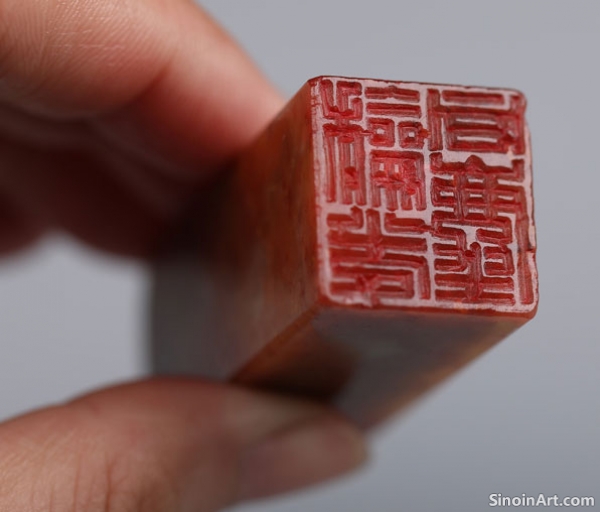 One notable figure is Zhao Mengfu (1254–1322), a prominent scholar, painter, and calligrapher of the Yuan Dynasty. Zhao Mengfu’s skill in calligraphy deeply impacted his seal carving. His seals often incorporated flowing lines and elegant character arrangements, reflecting the aesthetic ideals of his time. He was a master of the zhuanshu script, known for its graceful, curved lines. 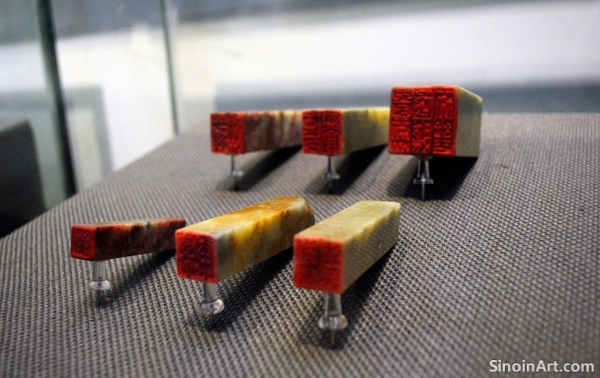 Another important carver is Wen Peng (1497-1573) from the Ming Dynasty, credited with popularizing the use of soft stones such as Shoushan. His innovative carving styles and techniques greatly impacted the development of zhuanke. He often favored a more rustic, bold style compared to the classical elegance of Zhao Mengfu, and his work is considered a milestone in the art's history. 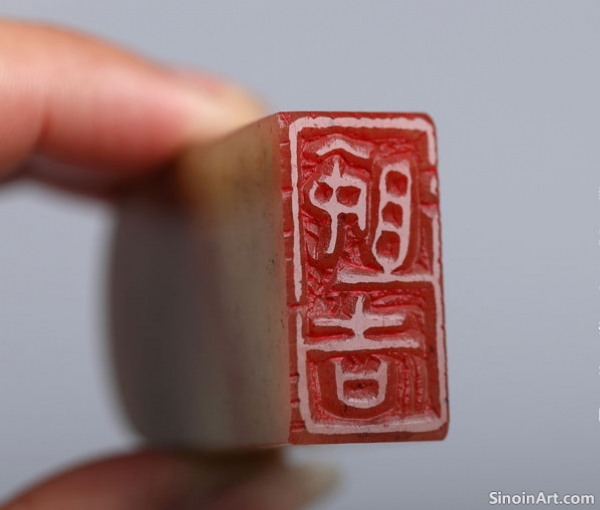 Qi Baishi (1864–1957), a renowned painter of the 20th century, was also a skilled seal carver. Qi Baishi's seals were known for their simplicity, boldness, and expressive power. He used both zhuwen and baiwen techniques to create dramatic effects, and his use of the seal as part of his art is a common characteristic of many master artists. These individuals, along with many other master carvers, have contributed to the rich legacy of zhuanke. Their lives and careers demonstrate the dedication, skill, and passion necessary to create lasting works of art through this ancient medium. Their work continues to inspire the pursuit of excellence in Chinese seal carving. The study of the masters allows modern carvers to understand the historical context and technical evolution of the art. The work of these masters serves as a guide, while also inspiring innovation and the pursuit of personal artistic expression. |
Tag : famous seal carvers, Zhao Mengfu, Wen Peng, Qi Baishi, zhuanke masters
Related information
- The Role of Leisure Seals in Chinese Art and Literature
- Inscriptions of Studio Seals: Unveiling the Character of the Space
- Seal Scripts: Decoding the Calligraphy of Name Seals
- The Ancient Art of Chinese Seal Carving
- Famous Seal Carvers and Their Legacy: Masters of Zhuanke
This article explores how leisure seals are used in Chinese painting, calligraphy, and literary works, adding a personal touch, aesthetic dimension, and layer of cultural meaning to these art forms.
This article delves into the various types of inscriptions found on studio seals, exploring their meanings and how they reveal the nature and purpose of the studio or hall.
This article explores the different script styles used in carving name seals, including seal script (篆書, zhuànshū), and how they contribute to the seal’s artistic and historical significance.
Explore the ancient art of Chinese seal carving (zhuanke), a traditional practice combining calligraphy and carving. Learn about its history, techniques, and cultural significance.
This article highlights some of the most influential seal carvers in Chinese history, discussing their distinctive styles, techniques, and the lasting impact they had on the art of zhuanke.