Styles of Seal Carving: Exploring Regional and Artistic Differences
|
Chinese seal carving is not a monolithic art form; it encompasses a diverse range of styles, each reflecting regional influences, artistic preferences, and historical periods. From the bold and powerful styles of the Qin Dynasty to the more refined and elegant styles of later dynasties, seal carving offers a fascinating glimpse into the breadth and depth of Chinese art and culture. Understanding the various styles enriches appreciation of the art form. The nuances of these styles are key to appreciating the details of the art form.  One of the earliest and most influential styles of seal carving is the Qin style, developed during the Qin Dynasty. This style is characterized by its use of the small seal script, bold, rectilinear lines, and a sense of power and authority. It reflects the centralized authority of the dynasty. The characters tend to be balanced and symmetrical. 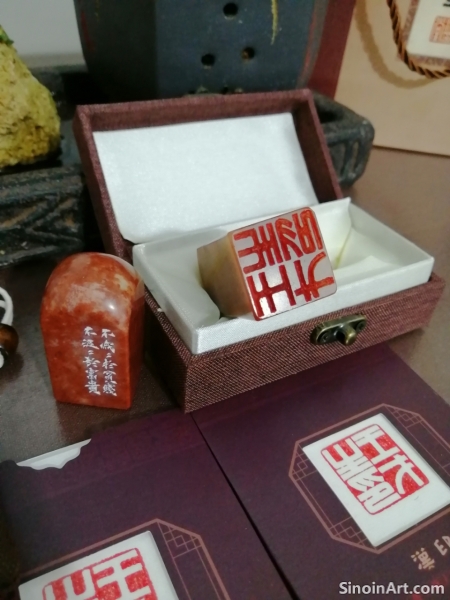 The Han style, which emerged during the Han Dynasty, is more ornate and refined than the Qin style. Han seals are characterized by the use of more curvilinear strokes, elaborate designs, and a greater emphasis on artistic expression. They often include pictorial elements, combining art and function. The designs are more diverse than previous styles. 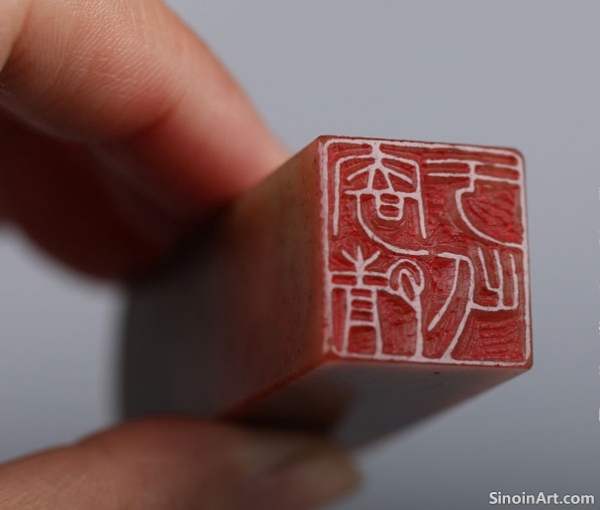 The styles of the Ming and Qing Dynasties saw a renewed interest in calligraphy and a greater emphasis on individual style. Seal carving became an important outlet for personal expression, with artists experimenting with a variety of techniques and materials. The artwork of this period focused more on individuality and creative interpretation. In addition to stylistic differences based on historical periods, seal carving also features regional variations. The artists of different regions of China developed unique styles, influenced by the local culture, materials, and artistic traditions. These regional styles provide an opportunity to explore the various traditions within the art form. Local resources and artistic preferences led to variations in style. Understanding the various styles of seal carving is essential for appreciating the art form’s breadth and depth. Each style reflects a unique aesthetic and historical context, demonstrating the rich diversity of Chinese art and culture. By studying the differences between these various styles, it is possible to appreciate the nuanced beauty of the artwork. |
Tag : Seal Carving Styles, Chinese Seal Art, Zhuanke Variations, Regional Seal Styles, Artistic Traditions
Related information
- The Materials of Chinese Seal Carving: From Stone to Jade
- The Materials of Collector's Seals
- Form and Design of Leisure Seals: Embracing Freedom and Creativity
- Techniques of Chinese Seal Carving: A Hands-On Art
- The Use of Leisure Seals in Contemporary Art and Design
Discover the diverse materials used in Chinese seal carving, from soapstone and jade to ivory and more. Learn about their characteristics and how they impact the final artwork.
The materials used to create collector's seals can range from the humble to the luxurious, reflecting the owner’s financial status and artistic preferences. The material used in a seal often serves to signify the wealth and prestige of the collector.
This article explores the diverse range of shapes, forms, and design elements found in leisure seals, highlighting the freedom of expression that distinguishes them from other types of seals.
Learn about the intricate techniques of Chinese seal carving. Explore the process, from design to carving, and discover different methods such as zhuwen and baiwen.
This article explores how leisure seals are being incorporated into contemporary art and design, discussing their modern relevance and the ways in which artists are reinterpreting this ancient tradition.