Seal Carving Workshops and Courses: Learning the Ancient Craft
|
For those interested in the hands-on practice of zhuanke, enrolling in seal carving workshops or courses can provide a structured and supportive learning environment. These educational opportunities often offer a deep dive into the history, techniques, and materials used in seal carving. Learning from experienced teachers is an invaluable way to master this ancient art.  Seal carving courses typically begin with a review of the history and cultural context of Chinese seals. Students are introduced to the different scripts, materials, and carving methods. Often, the initial phases involve practice with simple designs, focusing on learning how to properly hold and use the tools. Students begin by carving very simple shapes and lines on practice materials. As students progress, they learn more complex techniques, such as zhuwen and baiwen carving, and begin to work with various types of stone. They also learn about design principles and how to create their own unique seal designs. Often, experienced teachers give personalized feedback and mentorship. 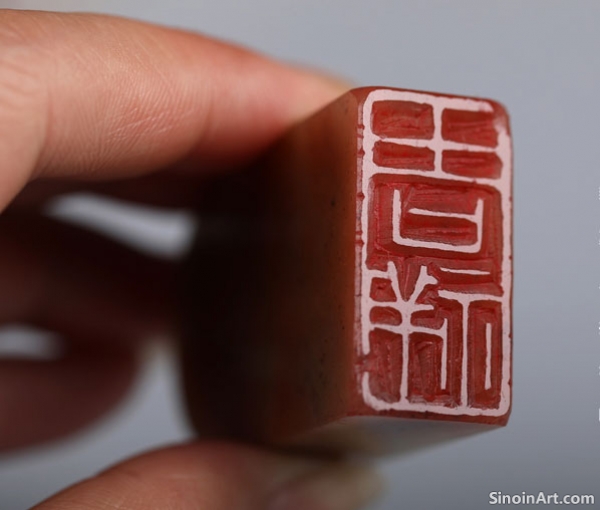 Many workshops provide all the necessary tools and materials, allowing beginners to experiment without investing in their own expensive equipment right away. Students can often purchase their own set of tools as they progress and decide if they are going to commit to the art form. Beyond the technical skills, these classes often foster a sense of community and shared passion for the art. Students learn from each other and connect with others who have a passion for Chinese art and culture. This makes these courses valuable beyond just skill acquisition; they offer the ability to connect with a community. |
Tag : seal carving workshops, zhuanke courses, Chinese art classes, learn seal carving, traditional crafts workshops
Related information
- Learning Seal Carving: A Journey of Patience and Skill
- The Calligraphy Connection: Scripts in Chinese Seal Design
- The Use of Leisure Seals in Contemporary Art and Design
- The Use of Collector's Seals in Art Authentication and Provenance Research
- Modern Uses of Collector's Seals: Adaptation and Evolution
This article provides an overview of the different avenues for aspiring seal carvers, including private instruction, formal education, online resources, and the importance of consistent practice.
Explore the deep connection between Chinese calligraphy and seal carving. Learn about different scripts like Seal Script (zhuanshu) and Clerical Script (lishu), and their influence on seal designs.
This article explores how leisure seals are being incorporated into contemporary art and design, discussing their modern relevance and the ways in which artists are reinterpreting this ancient tradition.
This article discusses the crucial role of collector's seals in art authentication and provenance research, exploring how these seals provide valuable information about the history of ownership and the authenticity of artworks.
This article explores how collector's seals are used in the modern era, examining contemporary practices and the ways in which artists and collectors are adapting this tradition to new contexts and purposes.