Collecting Studio Seals: Tips for Appreciating and Acquiring
|
Collecting studio seals can be a rewarding and enriching experience, providing collectors with a deeper appreciation of Chinese art and culture. However, it is important to approach the collection process with knowledge, patience, and a keen understanding of what factors contribute to the aesthetic and monetary value of these unique pieces. Developing an understanding of both the market, as well as the history, is critical to becoming an effective collector. 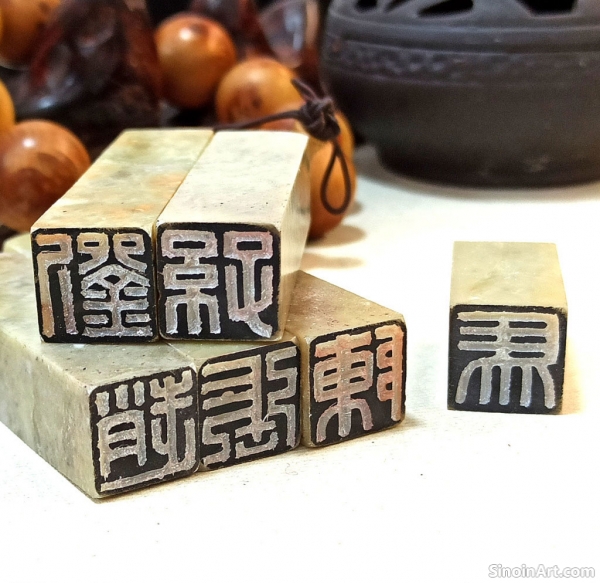 When evaluating a studio seal, it is important to consider several factors. The quality of the material, the skill and artistry of the carving, the historical context of the piece, and the inscription are all central to a seal's overall value and importance. By assessing each of these factors, a collector can develop a more informed taste.  Developing an informed appreciation of studio seals requires studying a wide range of pieces, exploring various styles, and understanding the history and techniques of seal carving. Understanding the different masters, and historical and cultural context will allow a collector to choose pieces wisely. 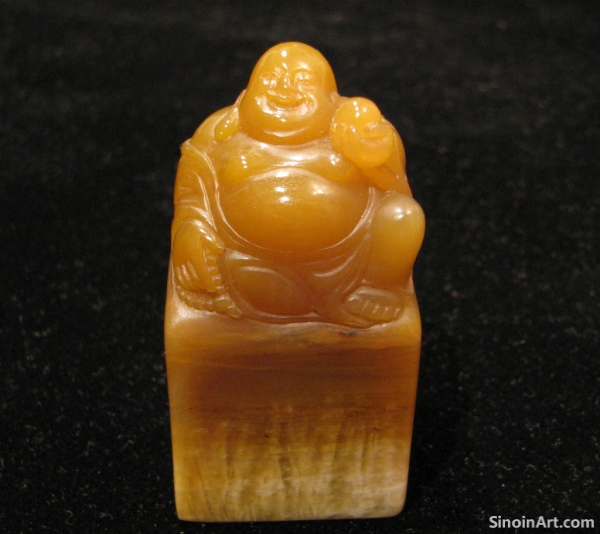 Researching the provenance of a studio seal is essential, as the history of a seal can add to both its cultural and economic value. Tracing a seal back to a famous artist, collector, or historical figure can significantly increase its worth. Understanding the origins of the piece are central to understanding its value. Collectors should also be aware of the presence of forgeries. Understanding the subtle nuances that differentiate a genuine seal from a fake will help in building a valuable collection, and protecting against loss. It is also important to consider the ethical responsibilities of collecting these pieces. Collecting studio seals is not just about acquisition; it's about cultivating a deep appreciation for Chinese art, culture, and history. By carefully studying and evaluating pieces, collectors can build meaningful collections that reflect their own tastes and values. Through this knowledge, they can also contribute to the continued preservation of this unique art form. |
Tag : Collecting Studio Seals, Zhaiguan Art, Seal Collecting Tips, Art Collecting Guide, Seal Provenance
Related information
- Notable Studio Seal Carvers and Their Contributions
- Contemporary Studio Seal Carving: Blending Tradition and Innovation
- The Art of the Seal: An Introduction to Chinese Seal Carving
- The Ancient Art of Chinese Seal Carving
- Famous Leisure Seal Carvers and Their Unique Styles
This article highlights the achievements of notable studio seal carvers throughout history, discussing their unique styles, techniques, and the lasting impact they had on the tradition of zhāiguǎn yìnzhāng.
This article discusses the current state of studio seal carving, exploring how contemporary artists are both preserving traditional techniques and innovating with new approaches, reflecting a vibrant mix of styles.
This article introduces Chinese seal carving, or Zhuanke, as a traditional art form combining calligraphy, carving, and design, highlighting its history, process, and cultural significance.
Explore the ancient art of Chinese seal carving (zhuanke), a traditional practice combining calligraphy and carving. Learn about its history, techniques, and cultural significance.
This article highlights the works of notable leisure seal carvers throughout history, discussing their innovative techniques, distinctive styles, and lasting contributions to the art of xiánzhāng.