The Historical Evolution of Name Seals: From Ancient Origins to Modern Practice
|
The history of Chinese name seals is a long and fascinating one, spanning thousands of years and evolving alongside the cultural and political landscape of China. From their early beginnings as simple identifiers to their current status as artistic and personal expressions, name seals have undergone significant transformations, reflecting the changing needs and values of Chinese society. The history of seal carving is long and complex, reflecting changes in the Chinese society. 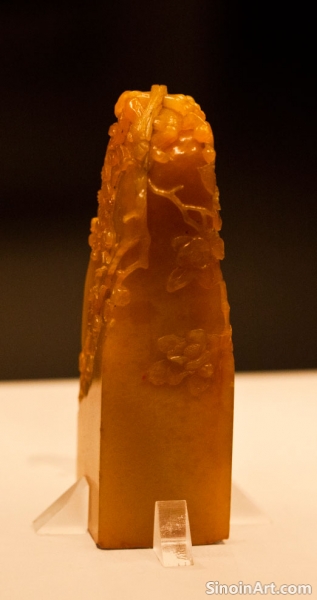 The earliest seals, dating back to the Shang Dynasty, were simple in design and primarily used for authentication. Made of bronze or bone, these seals often featured rudimentary characters and patterns. During the Zhou Dynasty, seals became more elaborate, with the emergence of various regional styles. The Qin Dynasty saw the standardization of seal script and the introduction of jade and stone for seal construction. Standardization of seal scripts occurred during the Qin dynasty. 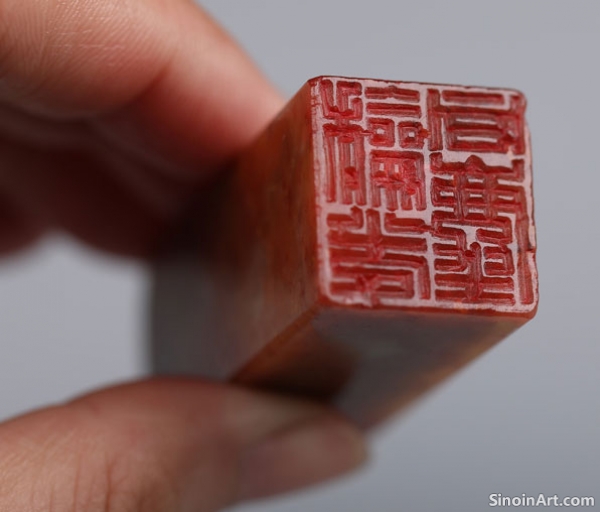 The Han Dynasty witnessed the widespread adoption of seals by government officials and scholars, with seals becoming a symbol of rank and authority. During the Tang Dynasty, seal art began to flourish, with calligraphers and artists creating increasingly intricate and beautiful seal designs. Each dynasty brought its own contributions to the art of seal carving. 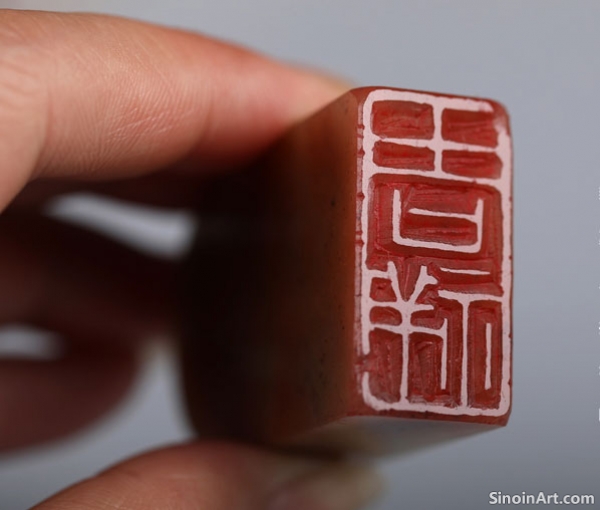 The Song Dynasty saw a move towards simpler designs, with a focus on the elegance and refinement of seal script. The Yuan Dynasty saw the emergence of many different artistic styles. During the Ming and Qing Dynasties, seal carving reached new heights of technical sophistication and artistic expression, with master seal carvers creating works of exceptional beauty and complexity. The techniques and styles of carving continued to evolve through the centuries. Despite the passage of time, the art of name seal carving continues to thrive today. Many contemporary artists and craftspeople are dedicated to preserving and innovating in this ancient art form. Modern practitioners draw inspiration from the rich history of seal carving while also incorporating new materials and techniques, ensuring that this tradition remains a vibrant and relevant part of Chinese culture. The art continues to adapt, and is still a relevant part of modern Chinese art. |
Tag : History of Chinese Seals, Seal Evolution, Ancient Seals, Modern Zhuanke, Seal Development
Related information
- The Seal Script: A Calligraphic Foundation of Seal Carving
- Materials for Collector's Seals: Reflecting Status and Artistic Value
- Seal Scripts: Decoding the Calligraphy of Name Seals
- Characters and Inscriptions on Collector's Seals
- Seal Carving Around the World: Cross-Cultural Influences
This article delves into the significance of the seal script (zhuanshu), a form of Chinese calligraphy that serves as the foundation for seal carving, exploring its history, forms, and artistic principles.
This article explores the various materials used in the creation of collector's seals, discussing how they reflect the collector's status, aesthetic preferences, and their approach to art collecting.
This article explores the different script styles used in carving name seals, including seal script (篆書, zhuànshū), and how they contribute to the seal’s artistic and historical significance.
The characters and inscriptions on collector's seals often provide valuable information about the collector, their interests, and their relationship to the artwork or object being marked. The text included on the seals often conveys important information about the collector’s personality and preferences.
This article explores the global reach of Chinese seal carving, highlighting its influence on other cultures and the cross-cultural exchange that continues to shape its evolution.