Learning Gongbi: A Guide for Aspiring Artists
|
For those captivated by the delicate beauty of Gongbi painting and eager to explore this art form, the journey requires a systematic approach and a willingness to learn from experienced practitioners. Mastering the techniques takes time, patience, and a deep commitment to the craft, but the rewards are truly fulfilling. It is a process that needs dedication, but is rewarding for those dedicated to the journey. 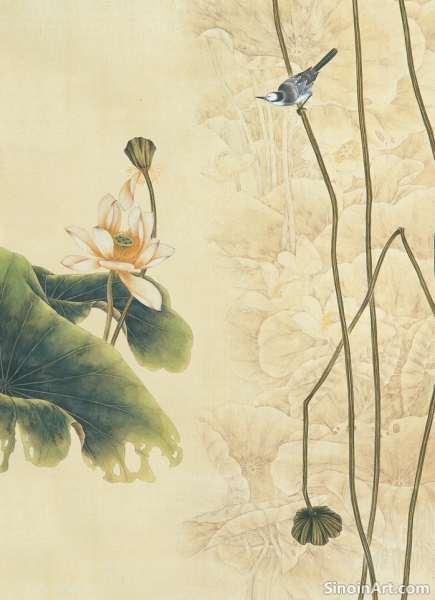 The first step is to familiarize oneself with the fundamental principles of drawing and painting. Understanding the use of lines, shapes, and colors is essential for creating a solid foundation for Gongbi painting. The importance of a good teacher cannot be understated. Learning from an accomplished artist will provide you with the necessary guidance on technique and practice.  Acquiring the necessary materials is also crucial. This includes fine brushes, traditional Chinese ink, mineral-based pigments, and high-quality silk or rice paper. It's not just about using the materials, but learning why specific materials and tools are used. Understanding their nuances is part of the learning process. 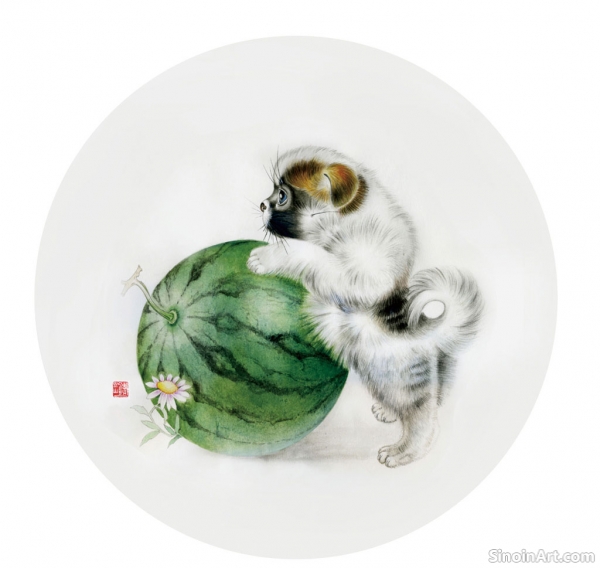 Mastering the meticulous brushstrokes that are characteristic of Gongbi requires extensive practice. Initially, focusing on simple lines and shapes can help develop the hand-eye coordination and brush control needed for more complex subjects. It’s important to focus on quality over quantity, to master a stroke before moving on. The process of learning Gongbi can be long and challenging, but with dedication and perseverance, aspiring artists can achieve remarkable results. The practice itself is therapeutic and meditative, offering a pathway to a deeper connection with the cultural heritage of this amazing artform. It is a journey that requires patience, but the rewards are well worth the effort. |
Tag : Learning Gongbi painting, Chinese art tutorial, Gongbi techniques for beginners, art education, traditional painting lessons
Related information
- Gongbi Painting in Museums and Galleries: Appreciating the Art in Person
- Preserving Gongbi: The Importance of Education and Practice
- Gongbi Painting and the Art of Observation
- Gongbi Painting as a Form of Meditation and Mindfulness
- The Spiritual Aspects of Gongbi Painting
This article explores the importance of experiencing Gongbi paintings in museum and gallery settings, emphasizing the unique educational opportunities, the ability to appreciate the details in person, the value of contemplation, and the role of museums in preserving and promoting the art form.
Emphasizes the importance of education and practice for preserving the techniques and traditions of Gongbi painting, advocating for community support and the passing down of skills.
Explores the significance of observation in Gongbi painting, highlighting its role in capturing detailed forms and understanding the subject's essence.
This article explores the connection between Gongbi painting and meditation, highlighting how the meticulous process fosters mindfulness, focus, and a contemplative state of mind for the artist.
An examination of the spiritual dimensions of Gongbi painting, highlighting its meditative qualities and connection to nature.