Gongbi Landscapes: Capturing the Spirit of Nature
|
While often associated with flower and bird paintings, Gongbi is also used to create stunning landscape artworks. Unlike the expressive style of freehand landscape painting (xieyi), Gongbi landscapes are characterized by their meticulous detail, precise rendering, and rich color palettes. These paintings capture not only the visual appearance of nature but also its underlying spirit and essence. 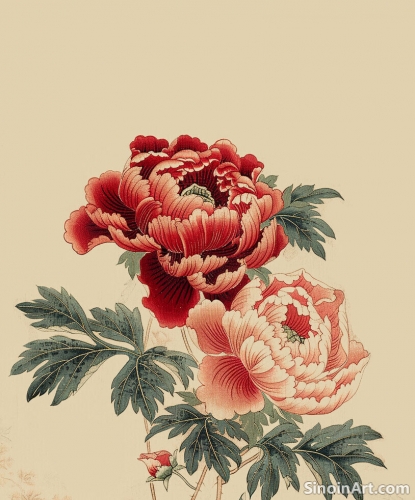 The focus on precision in Gongbi landscape extends to every element of the scene. Mountains, rocks, trees, and water are rendered with meticulous detail, capturing their specific characteristics and forms. This requires a keen eye for observation and a deep understanding of the underlying structure and texture of each element. Each aspect of the natural environment is given careful attention. 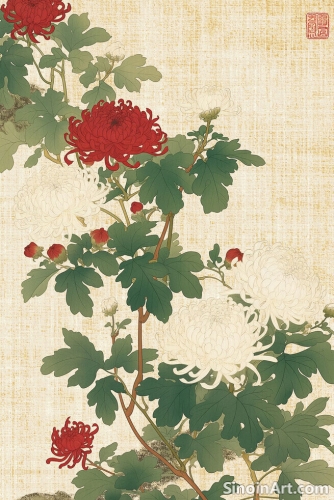 The use of traditional brushstrokes and techniques is central to Gongbi landscape painting. The "gougou" method, the outlining of every element, forms the foundation of the artwork. Subtle washes of color are layered to create depth and atmosphere. Each brushstroke is purposeful and deliberate, contributing to the overall harmony and balance of the composition. This careful application of technique gives the work a sense of realism. 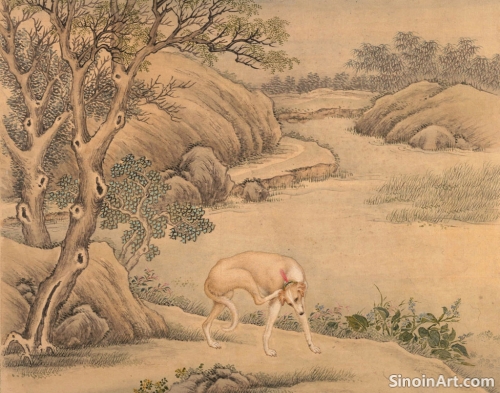 Symbolism plays a significant role in Gongbi landscape paintings. Mountains are often depicted as symbols of stability and longevity, while water is associated with the flow of time and transformation. Specific plants, like pine trees and bamboo, also hold symbolic meanings, adding depth and meaning to the scene. Artists utilize this symbolic language to convey philosophical ideas. Gongbi landscape paintings often convey a sense of peace and harmony. They are not just records of natural scenery; they also invite viewers to contemplate their place within the larger universe. The meticulous detail and balanced composition create a visual space that is both captivating and serene. These paintings capture the essence of the natural world and create a space for contemplation. |
Tag : Gongbi landscape, Chinese landscape painting, traditional landscape art, nature in art, meticulous landscapes
Related information
- The Materials of Gongbi: A Closer Look at Tools and Pigments
- The Delicate World of Gongbi: An Introduction
- Gongbi and the Depiction of Jewelry and Accessories
- Gongbi Painting as a Form of Meditation and Mindfulness
- The Influence of Western Art on Contemporary Gongbi Painting
This article provides a detailed overview of the materials used in Gongbi painting, including rice paper, Chinese brushes, inksticks, and natural mineral pigments, emphasizing the importance of these traditional elements to the art form.
This article introduces Gongbi painting as a precise and detailed art form within Chinese traditional art, highlighting its techniques, historical themes, materials, and contemporary relevance.
This article explores how Gongbi painting depicts jewelry and accessories, highlighting the meticulous detail, use of line and color to convey textures and reflections, and how these objects contribute to the overall cultural and visual richness of the artwork.
This article explores the connection between Gongbi painting and meditation, highlighting how the meticulous process fosters mindfulness, focus, and a contemplative state of mind for the artist.
This article explores the influence of Western art on contemporary Gongbi painting, highlighting the adoption of new perspectives, compositions, materials, techniques, and themes, and how these influences have created a unique hybrid style.