The Use of Texture in Gongbi Painting
|
While Gongbi painting is often associated with smooth surfaces and precise linework, artists also employ subtle techniques to suggest texture and depth in their work. These techniques, ranging from layering washes to stippling effects, add a dimension to the work that helps create realism and visual interest in the painted surface. The suggestion of texture enhances the overall visual impact of the piece.  The layering of color washes, a fundamental technique in Gongbi, can also create a subtle sense of texture. By applying multiple layers of translucent washes, artists can create a layered surface that gives both depth and texture to the painting. The subtle differences in the layers help to add realism and surface complexity. 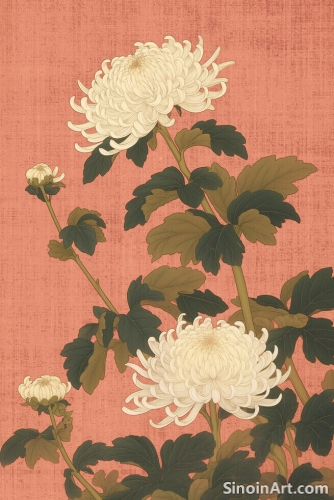 The use of ink wash variations, where different densities of ink are applied to paper, is another important way to suggest texture in Gongbi painting. Lightly applied ink creates a smooth surface, while darker areas give the impression of a rougher texture. The use of varied ink washes allows the artist to suggest different textures.  Specific brushstroke techniques, like stippling or hatching, can also be used to simulate the appearance of different textures, such as the roughness of tree bark or the softness of fabric. The use of specific brushstrokes in these areas further enhances the sense of reality within the work. The subtle variations in surface texture help to enhance the overall sense of depth and realism in Gongbi painting. These techniques add subtle details that enhance the overall impact of the work. The integration of texture into Gongbi painting demonstrates the artist's command of technique and their keen understanding of the visual world, creating works that are both technically precise and visually compelling. The suggestion of texture adds to the overall visual impact of the work. |
Tag : Texture in art, Gongbi techniques, surface in painting, visual realism, art layering
Related information
- Gongbi and Xieyi: Two Sides of the Brush
- Gongbi Painting as a Form of Meditation and Mindfulness
- Gongbi Color Techniques: Layering and Luminosity
- Gongbi Painting and the Use of Light and Shadow
- Learning Gongbi: A Guide for Aspiring Artists
This article contrasts Gongbi and Xieyi painting styles, highlighting their differing approaches to brushwork, techniques, subject matter, and overall artistic expression.
This article explores the connection between Gongbi painting and meditation, highlighting how the meticulous process fosters mindfulness, focus, and a contemplative state of mind for the artist.
Color, while carefully controlled, plays a vital role in creating the refined beauty of Gongbi painting. Unlike the spontaneous use of color in Xieyi, Gongbi artists employ a meticulous approach, building up their colors through numerous thin layers, and creating a sense of depth, luminosity, and subtle gradations of tone. This approach is a hallmark of the Gongbi style and contributes to the richness of its visual effects.
This article explores the subtle but skillful use of light and shadow in Gongbi painting, highlighting the use of color gradations, brushstrokes, and how these techniques contribute to creating a sense of depth, volume, atmosphere, and enhance the overall impact of the artwork.
A practical guide for aspiring Gongbi artists, covering essential learning steps, materials, and practice techniques.