Contemporary Xieyi Artists to Explore
|
Exploring the work of contemporary Xieyi artists offers insight into how this ancient tradition continues to evolve and adapt to modern contexts. Many artists are pushing the boundaries of the style, exploring new themes and techniques, while maintaining a connection to the core principles of spontaneity, expression, and the pursuit of qi. Looking at these contemporary artists will deepen one's understanding of the ongoing evolution of Xieyi. 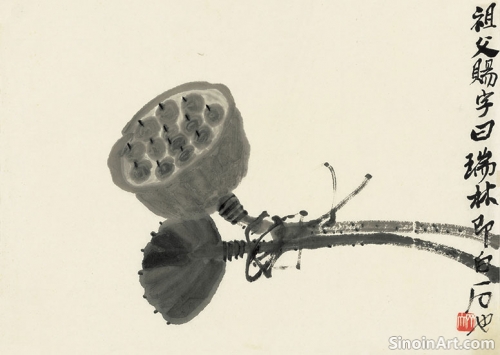 Some contemporary artists are incorporating elements of abstraction into their work, exploring the interplay of ink and space, and creating highly evocative and expressive compositions. They are not limited by tradition, but are building upon it. Abstraction offers a powerful new form of expression for the tradition. 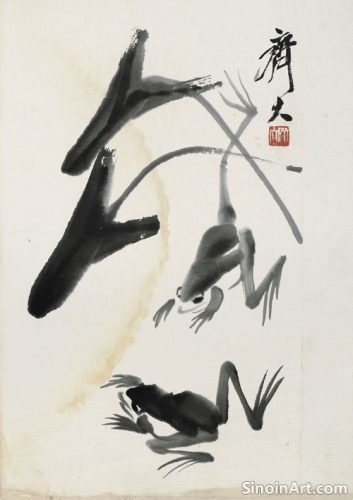 Others are focusing on exploring social and political issues through the language of Xieyi, using their art as a form of commentary and critique. These themes often offer new challenges and insights into the contemporary world. Xieyi is a powerful vehicle for expression beyond simple representation. 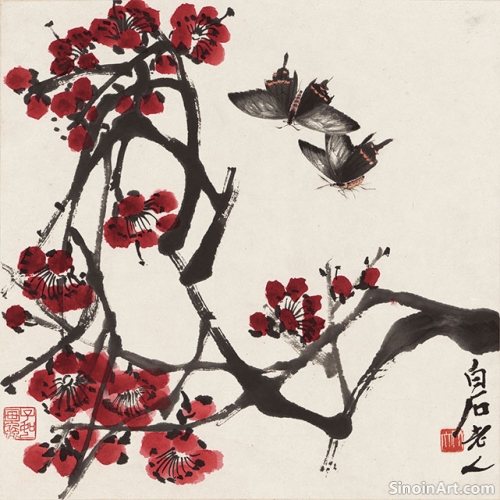 Many artists are experimenting with new materials and techniques, creating innovative and dynamic works of art that push the boundaries of the medium while maintaining a connection to its historical roots. The possibilities for creative expression are continually expanding. This experimentation expands the boundaries of the tradition. By engaging with the works of contemporary Xieyi artists, we can gain a deeper appreciation for the vitality and relevance of this enduring art form, and see how it continues to evolve and resonate with audiences today. Looking at these artists reveals that Xieyi is a living tradition, capable of reflecting both the historical past and present. It is a journey that continues through these new artists. |
Tag : Contemporary Xieyi, modern Chinese artists, abstract ink, innovative art, current art trends
Related information
- The Spirit of Xieyi: An Introduction to Chinese Literati Painting
- Xieyi Painting and the Depiction of Birds
- Xieyi Painting and the Concept of "Intention Before the Brush"
- The Influence of the "Four Gentlemen" on Xieyi Subjects
- The Influence of Folk Art on Xieyi Painting
Xieyi, often translated as sketching thoughts or freehand style, is a significant genre within Chinese painting. It is characterized by its emphasis on capturing the essence and spirit of a subject rather than its exact appearance. This expressive, spontaneous approach prioritizes the artist's personal emotions and inner vision.
Birds are frequently depicted in Xieyi painting through fluid brushstrokes that capture their form, movement, and energy, with symbolic meanings adding depth and emphasizing freedom, spontaneity, and the beauty of nature, while also showing the artist's technical skill and observation of the world.
"Intention Before the Brush" (yi zai bi xian) is crucial in Xieyi painting, emphasizing that the artist's vision, emotional state, and purpose should guide their brushstrokes, requiring thoughtful preparation and planning while valuing spontaneity, imbuing the artwork with inner spirit and emotional truth.
The "Four Gentlemen" (sìjūnzǐ) – plum blossom, orchid, bamboo, and chrysanthemum – are highly revered subjects in Xieyi, each embodying distinct virtues like resilience, refinement, integrity, and longevity, serving as a rich source of inspiration for artists expressing a range of emotions and philosophical ideas.
Xieyi painting is also influenced by Chinese folk art, through its emphasis on boldness, simplicity, vibrant colors, directness, and storytelling, enriching the art form with expressive forms, a more accessible feel, and narratives that connect it to everyday life, history, and folklore.