The Use of Studio Seals in Art Collecting and Authentication
|
Studio seals are not only used by artists and scholars; they are also integral to the world of art collecting. Collectors often stamp their studio seals onto artworks, documents, and other items in their collection. This practice reflects the significance of studio seals in authentication, provenance, and their symbolic role as markers of cultural status. The practice of stamping seals is important to authentication, and the creation of a piece's provenance. 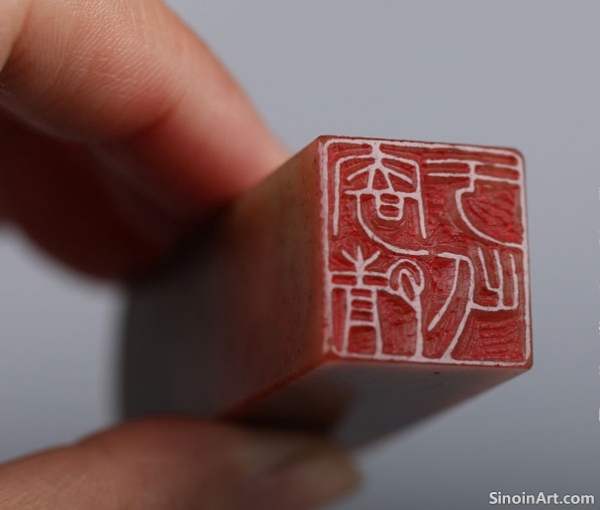 One of the primary functions of studio seals in art collecting is authentication. By stamping their seal on a piece, a collector indicates their ownership and approval of the artwork. The seal serves as a form of personal signature that provides an added layer of authenticity to the collected piece. The seals are used to signify ownership, and can also be used to denote the authenticity of an artwork.  Studio seals also help establish the provenance of an artwork. The presence of a collector's seal can provide insights into the artwork's history of ownership, and the different collectors it has passed through. These seals are markers of ownership, but they also provide information about the history of an artwork. 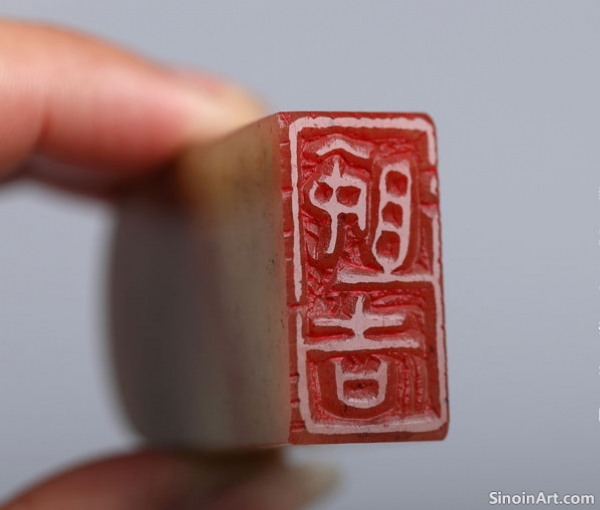 The use of studio seals by collectors also reflects their cultural status and taste. A collector who carefully chooses their seal reflects their values, interests, and their overall personality and preferences. The seals are both an indication of ownership, as well as an expression of the collector's personal identity. Collectors often incorporate several seals, rather than just one on an item. These seals include their personal seals, their studio seals, and additional seals representing their studio or hall. The choice of which seals to use, and the placement, are often meticulously chosen. Studio seals, in the world of art collecting, are more than just stamps of ownership. They contribute to the authentication, provenance, and cultural significance of the collected works, enriching their history and cultural meaning. Their use is an expression of personal taste, as well as the authentication of an artwork. |
Tag : Studio Seal in Art, Authentication Seals, Art Collection, Provenance, Seal Authentication
Related information
- Techniques of Chinese Seal Carving: A Hands-On Art
- Characters and Inscriptions on Collector's Seals
- The Symbolism in Seals: Decoding Meaning Through Design
- Seal Carving Workshops and Courses: Learning the Ancient Craft
- The Cultural Significance of Chinese Seals: More Than a Signature
Learn about the intricate techniques of Chinese seal carving. Explore the process, from design to carving, and discover different methods such as zhuwen and baiwen.
The characters and inscriptions on collector's seals often provide valuable information about the collector, their interests, and their relationship to the artwork or object being marked. The text included on the seals often conveys important information about the collector’s personality and preferences.
This article explores the symbolism within Chinese seal carving, focusing on the meaning of characters, imagery, composition, color, materials, and how they contribute to the artwork's message.
Discover the world of Chinese seal carving by enrolling in workshops or courses. Learn about techniques, materials, and design, and connect with a community of artists and enthusiasts.
Discover the cultural significance of Chinese seals, which extend far beyond simple signatures. Explore their historical uses, their role in art, and their symbolism within Chinese culture.