Chinese Bronze Ware in Global Collections: A Transcultural Perspective
|
Chinese bronze ware is not confined to China; it is found in museums and private collections throughout the world, reflecting a long history of cultural exchange, collecting practices, and global interest in these powerful and beautiful objects. The global distribution of these objects helps to create a more interconnected view of ancient Chinese culture and influence.  The presence of Chinese bronze ware in global collections also offers an opportunity to examine the complex history of collecting, trade, and cultural appropriation, and to ask questions about the ethical responsibilities associated with the study and display of these objects. The complex global history of these objects presents its own challenges and it requires a nuanced understanding of their provenance and history. 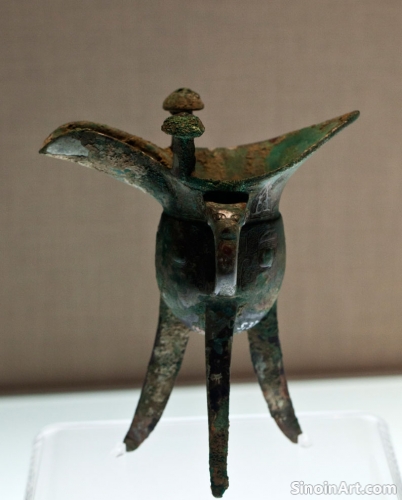 The diverse contexts in which Chinese bronze ware is displayed, from large museums to private collections, reflects a variety of perspectives on their meaning and importance. The objects take on different forms and meanings based on the manner in which they are presented. The collection and study of these objects is a global endeavor. 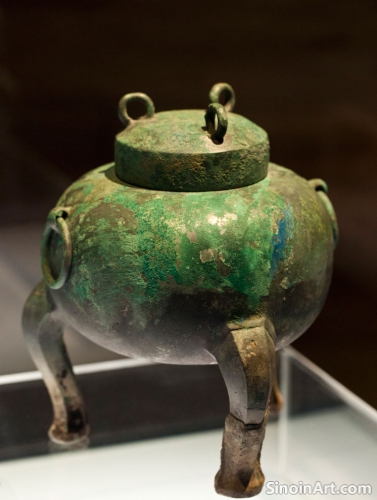 The ongoing study of Chinese bronze ware from a transcultural perspective also offers opportunities for developing a greater appreciation for the interconnectedness of human history, reminding us that art and culture transcends borders. The global reach of these objects helps to connect people from all over the world. The study of bronze ware is a valuable tool for creating a sense of shared history. |
Tag : global bronze collections, cultural exchange, transcultural perspective, museum studies, art history
Related information
- The Use of Bronze in Ancient Chinese Food Preparation and Dining: Utensils and Vessels
- Bronze Ware and the Development of Ancient Chinese Writing Styles: A Visual Record of Language Evolution
- The Evolution of Bronze Vessel Forms in Ancient China: From Simplicity to Complexity and Back Again
- Bronze and the Development of Early Chinese Astronomy: Tools of Observation and Understanding
- Preserving Chinese Bronze Ware: Challenges and Methods of Conservation
This article explores the use of bronze in ancient Chinese food preparation and dining, highlighting the creation of cooking pots, serving utensils, and tableware, and demonstrating how bronze was integrated into both daily life and social customs.
This article explores how inscriptions on bronze ware provide a visual record of the evolution of ancient Chinese writing styles, highlighting the influence of the medium on script forms, layout, and the development of calligraphic principles.
This article explores the evolution of bronze vessel forms in ancient China, highlighting the shift from simple early shapes to more complex and ornate designs, and then later, a move back to simpler forms, reflecting changes in technology, aesthetics, and cultural practices.
This article explores the use of bronze in ancient Chinese astronomy, highlighting the creation of astronomical instruments such as armillary spheres and sundials, and demonstrating how these objects facilitated the observation and understanding of the universe.
This article discusses the challenges and methods of conserving Chinese bronze ware, highlighting the vulnerability to corrosion, the specific techniques used for cleaning and preservation, and the overall importance of safeguarding these artifacts for the future.