The Significance of the “Ding” in Ancient Chinese Culture: Ritual, Power, and Symbolism
|
The ding (鼎), a large three- or four-legged cauldron, holds a special place in ancient Chinese culture, serving as a powerful symbol of ritual practice, social status, and political authority. The ding, which is often one of the most notable pieces of bronze ware, has a special place in the Chinese understanding of their own history. 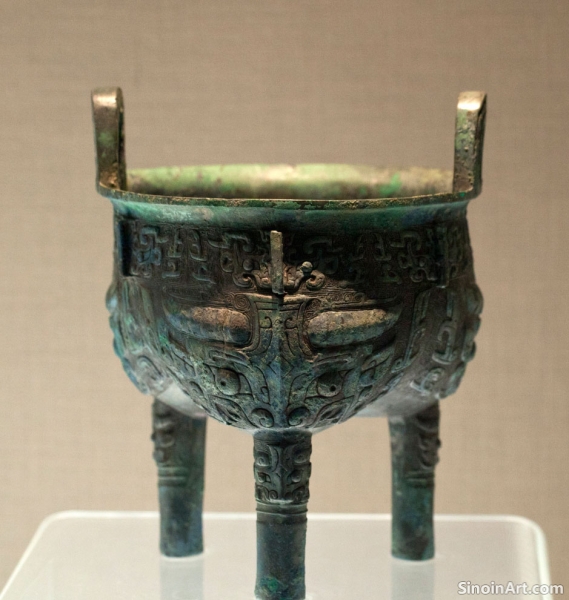 The ding was primarily used in ancestral rites, where it served as a container for offering food and wine to the spirits of deceased ancestors. The ding was a sacred vessel that helped connect the world of the living with the world of the dead. The use of the ding was reserved for those who held positions of high status. 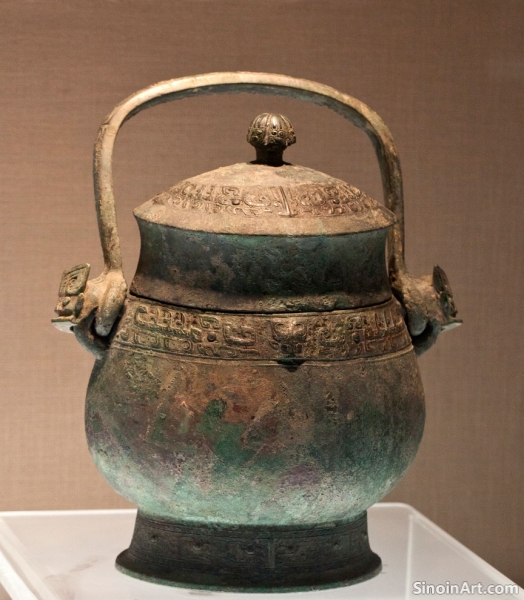 The number and size of the ding owned by a family or a ruler directly reflected their social status and political influence. The ding became a potent symbol of power and legitimacy, and their possession conferred both power and prestige. The ownership of the ding was one of the most important status symbols of the era. 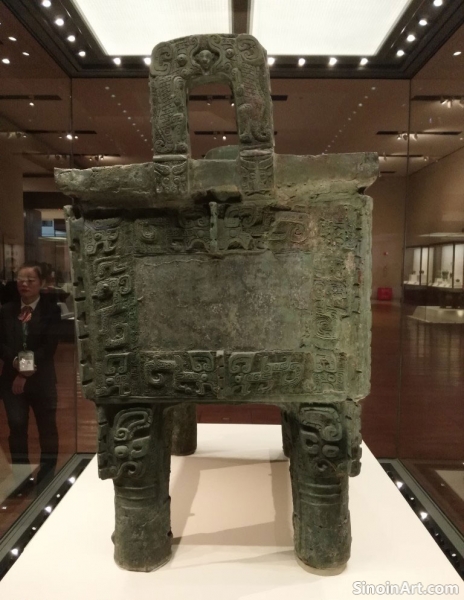 The designs and inscriptions on the ding, often complex and elaborate, also contributed to their symbolic significance. The symbols and inscriptions often included the names of ancestors and their relationship to the present, which helped to emphasize family and lineage ties. The inscriptions and symbols helped to connect the past to the present. The ding remains one of the most iconic and recognizable symbols of ancient Chinese culture, with its enduring legacy representing the core values and beliefs of the era. The ding has become a symbol that embodies power, authority, and ancestral ties, and its meaning has resonated throughout Chinese history. |
Tag : Chinese ding, bronze vessel, ritual object, ancient symbolism, power symbol
Related information
- The Role of Bronze in Ancient Chinese Warfare: Strategies and Weapons
- The Techniques of Inlaying Bronze: Incorporating Precious Materials into Metalwork
- The Taotie Motif: Unraveling the Mystery of the Shang Bronze Beast
- Bronze Weights and Measures in Ancient China: Standardization and Trade
- The Evolution of Bronze Vessel Forms in Ancient China: From Simplicity to Complexity and Back Again
This article explores the role of bronze in ancient Chinese warfare, highlighting the types of weapons, armor, and chariot fittings, and examining the strategies and tactics employed, revealing the military power of the era.
This article explores the techniques of inlaying bronze in ancient China, highlighting the use of precious materials like gold, silver, and jade, and demonstrating how these techniques added sophistication, symbolism, and artistic value to bronze objects.
This article explores the taotie motif found on Shang Dynasty bronzes, discussing its composite features, the various interpretations of its symbolic meaning, its evolution over time, and its significance in understanding the Shang worldview.
This article explores the use of bronze for weights and measures in ancient China, highlighting the importance of standardization, fair trade practices, and the role these artifacts played in facilitating commerce across the empire.
This article explores the evolution of bronze vessel forms in ancient China, highlighting the shift from simple early shapes to more complex and ornate designs, and then later, a move back to simpler forms, reflecting changes in technology, aesthetics, and cultural practices.