Bronze Ware and the Power of Inscriptions: Communicating History, Lineage, and Identity
|
The inscriptions found on Chinese bronze ware are more than just written characters; they are powerful forms of communication, conveying historical information, establishing lineage ties, and asserting individual and family identity. These inscriptions provide a valuable link to the thoughts and beliefs of the past. The words preserved in bronze provide a direct connection to the people of ancient China.  Bronze inscriptions often recorded significant events, such as royal decrees, military victories, or the establishment of lineage claims, providing valuable insights into the social and political landscape of ancient China. The inscriptions help us to further understand the values and beliefs of the people of the time. These ancient texts are a valuable link to the history of the past. 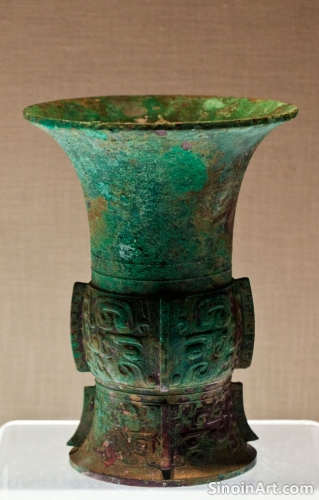 The names, titles, and family relationships recorded in bronze inscriptions helped to solidify lineage ties and establish familial identities across generations, with many families using these texts to underscore their place in society. The emphasis on lineage and ancestry helped to shape the overall culture of ancient China. The establishment of a family's history and their place in society was an essential component of ancient Chinese culture. 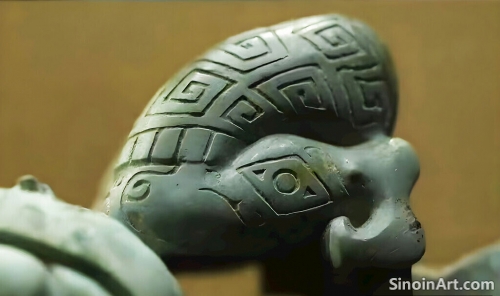 The study of bronze inscriptions helps to understand the evolution of Chinese writing, and it serves as a primary source for understanding the history, culture, and values of the ancient world. The detailed and specific content of the inscriptions offers a unique opportunity to understand ancient Chinese society. The care with which these texts were created suggests the importance that they held for their creators. |
Tag : bronze inscriptions, Chinese lineage, ancient identity, jinwen, historical texts
Related information
- The Significance of Jade Inlays on Bronze: Combining Materials and Symbolic Meanings
- The Influence of Ancient Chinese Bronze Ware on Later Korean Art and Design
- The Social and Political Symbolism of Bronze Weapons: Power, Authority, and Military Might
- The Production and Use of Bronze in Ancient Chinese Musical Instruments: Harmony and the Cosmos
- The Use of Bronze in Ancient Chinese Transportation: Bridges, Road Components, and Infrastructure
This article explores the significance of jade inlays on Chinese bronze ware, highlighting the symbolic meanings of both materials, the skill required for their combination, and the visual dialogue that is created between the bronze and the jade in these artworks.
This article explores the influence of ancient Chinese bronze ware on later Korean art and design, highlighting the adaptation of Chinese forms and techniques, the development of unique Korean styles, and the role of cultural exchange in shaping artistic traditions.
This article explores the social and political symbolism of bronze weapons in ancient China, highlighting their connection to power, authority, and military might, and demonstrating how the possession and display of these objects reflected status and leadership.
This article explores the use of bronze in ancient Chinese musical instruments, highlighting the technical skill involved in their creation, the cosmological beliefs they represent, their role in ritual practices, and the interplay between music, spirituality, and the material world.
This article explores the use of bronze in ancient Chinese transportation infrastructure, highlighting its role in the creation of bridges, road supports, measuring tools, and other components, and demonstrating its importance in large-scale engineering projects.