Bronze Ware and the Expression of Power in Ancient Chinese Tombs: Wealth, Status, and the Afterlife
|
The inclusion of bronze ware in ancient Chinese tombs went far beyond mere funerary practice; it was a potent expression of power, wealth, and social status, designed to create a visual representation of the deceased's importance in the world of the living and their expected position in the world beyond. The use of these objects in the burial process was a carefully planned act designed to enhance the status and legacy of the departed. 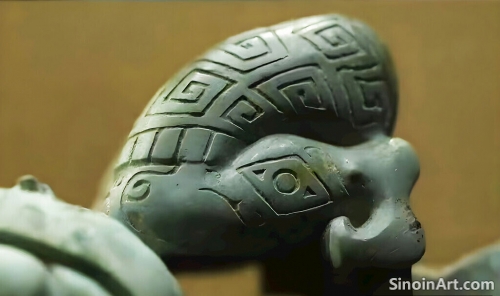 The quantity and quality of bronze objects found in tombs, including ritual vessels, weapons, musical instruments, and personal adornments, reflected the social standing and wealth of the deceased. The presence of more ornate and elaborate bronze works was a clear indication of an individual’s power and influence during their lifetime. 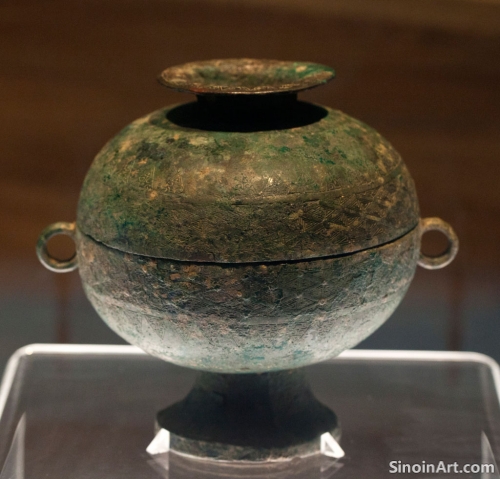 The precise arrangement of these objects in tombs was also highly symbolic, often reflecting beliefs about the journey into the afterlife and the proper order and structure of the spiritual world. The care taken in the arrangement of these objects helped to communicate the beliefs of the time. 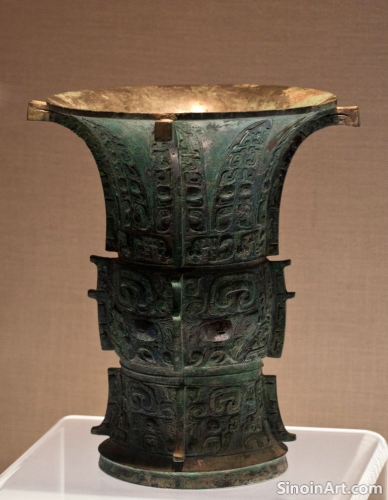 The inclusion of inscriptions on bronze objects within the tomb also allowed for the lineage and accomplishments of the deceased to be documented and remembered, further underscoring their social and political importance. The use of inscriptions helped to record and to preserve the memory of the departed, and to reinforce their social status. The study of bronze objects in funerary contexts helps to illuminate the complex interplay between social structures, spiritual beliefs, and the desire to project power and influence into the world beyond. The artifacts found in tombs provide invaluable information about the lives, beliefs, and values of the people of the past. |
Tag : bronze tombs, Chinese power, funerary display, burial practices, status objects
Related information
- Bronze Ware and Ancient Chinese Mythology: Exploring the Interplay Between Myth, Art, and Ritual
- Bronze and the Development of Early Chinese Astronomy: Tools of Observation and Understanding
- The Legacy of Chinese Bronze Ware: Its Influence on Later Art Forms
- Bronze Ware and the Transmission of Ancient Chinese Technical Knowledge: Tools, Techniques, and Innovation
- Bronze Ware and the Development of Ancient Chinese Writing Systems: From Script to Art
This article explores the use of mythological imagery on Chinese bronze ware, highlighting the depiction of dragons, phoenixes, and other creatures, and how these motifs reflected ancient beliefs and helped to connect the earthly world with the spiritual realms.
This article explores the use of bronze in ancient Chinese astronomy, highlighting the creation of astronomical instruments such as armillary spheres and sundials, and demonstrating how these objects facilitated the observation and understanding of the universe.
This article explores the enduring legacy of Chinese bronze ware, highlighting its influence on later forms of Chinese art, including ceramics, painting, and sculpture, with particular emphasis on the enduring impact of bronze forms, motifs, and aesthetic principles.
This article explores the transmission of technical knowledge through the production of bronze ware in ancient China, highlighting the process of apprenticeship, the mastery of materials, the development of techniques, and how this knowledge shaped other forms of technical and artistic innovation.
This article explores the relationship between bronze ware and the development of ancient Chinese writing, highlighting how the medium of bronze influenced the forms and styles of writing, and how it helped to establish the importance of writing in ancient Chinese culture.