Bronze Ware and the Ancient Chinese Elite: Luxury, Status, and Power
|
Bronze ware in ancient China was not just a functional material; it was also a powerful symbol of wealth, status, and power, primarily used and controlled by the elite classes, and highlighting their central place in the social hierarchy. The careful control of resources and the skill needed to produce these items helped to ensure that they remained important tools for social and political dominance. 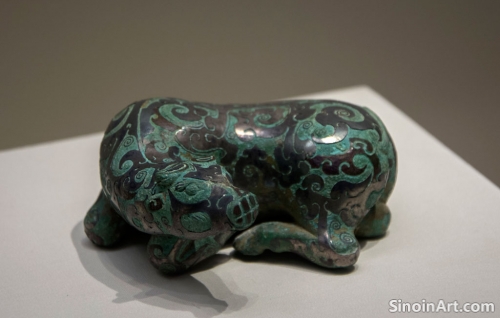 The possession of finely crafted bronze vessels, weapons, and other objects was a key signifier of social status, with the quality and quantity of these items reflecting an individual's position in ancient Chinese society. These objects became a powerful visual symbol of power, status, and wealth. The possession of these artifacts helped to reinforce the social stratification of the time. 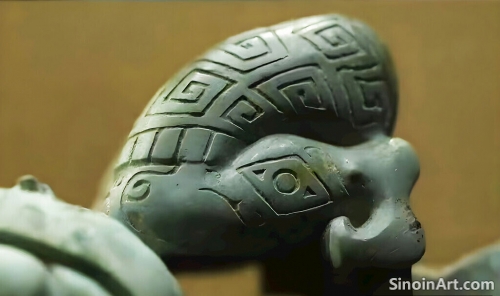 The display of bronze ware during rituals, ceremonies, and other important events also served to reinforce the power and authority of the elite, showcasing their wealth, status, and their connection to both the earthly and spiritual realms. The manner in which these items were displayed helped to underscore their importance. The elaborate care given to presentation and performance helped to further convey the power of the ruling class. 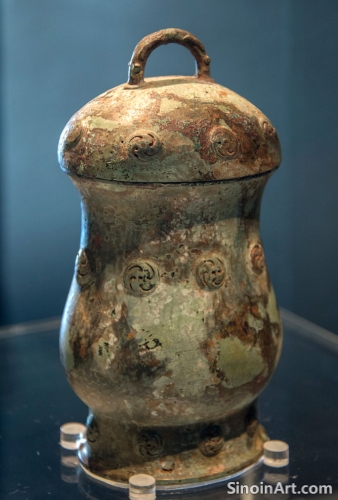 The study of bronze ware and its association with the ancient Chinese elite helps to illuminate the social, political, and economic dynamics of the time, highlighting how material culture was used to maintain social hierarchies and to legitimize power. The interplay between the visible display of power and the actual authority of the ruling class is a key element in understanding the society of the era. |
Tag : bronze elite, ancient Chinese wealth, social status, power symbols, luxury artifacts
Related information
- Bronze Ware and Ancient Chinese Notions of Heaven and Earth: A Cosmic Worldview
- Bronze Ware and the Development of Ancient Chinese Metallurgy: Innovations and Techniques
- Bronze Ware and Ancient Chinese Beliefs About the Afterlife: Providing for the Journey and Eternal Life
- Bronze Ware and Ancient Chinese Astronomy: Celestial Charts and Observational Tools
- Bronze Ware and the Development of Ancient Chinese Writing Styles: A Visual Record of Language Evolution
This article explores how bronze ware reflected ancient Chinese concepts of the cosmos, highlighting the integration of celestial symbols, the use of balanced forms, and the interplay between human activities and the perceived order of the universe.
This article explores the development of ancient Chinese metallurgy in relation to bronze ware production, highlighting the discovery and use of different metals, the creation of alloys, the development of casting techniques, and the technical achievements of ancient metalworkers.
This article explores the use of bronze ware in ancient Chinese tombs, highlighting its role in providing for the deceased's journey into the afterlife, offering protection, and reflecting beliefs about continuity and eternal existence.
This article explores the use of bronze in ancient Chinese astronomy, focusing on the creation of armillary spheres, sundials, and other observational tools, demonstrating the integration of art, technology, and the ancient quest to understand the cosmos.
This article explores how inscriptions on bronze ware provide a visual record of the evolution of ancient Chinese writing styles, highlighting the influence of the medium on script forms, layout, and the development of calligraphic principles.