The Use of Bronze in Ancient Chinese Writing: Brushes, Ink Stones, and Calligraphy Tools
|
While the focus is often placed on bronze inscriptions, bronze also played a role in the creation of other writing tools, including brush rests, ink stones, and other implements used by calligraphers and scholars, and underscoring the importance of the written word and the tools used to create it. The intersection of artistic and literary practices is a key element of ancient Chinese culture. The creation of these tools helps to illuminate the processes and practices of the time.  Bronze brush rests, often designed as elegant and decorative pieces, were used to support brushes, helping to both protect and also to showcase these essential tools of writing. The care taken in the design of these objects helps to illustrate the respect and importance that was placed on the act of writing and also on the tools used to carry out the practice.  Bronze ink stones, used to grind and prepare ink, were also valuable instruments for those who practiced the art of writing, often meticulously designed and often possessing a level of visual beauty as well. These objects helped to provide a smooth and consistent surface for the preparation of ink, which was a key element in the practice of calligraphy. 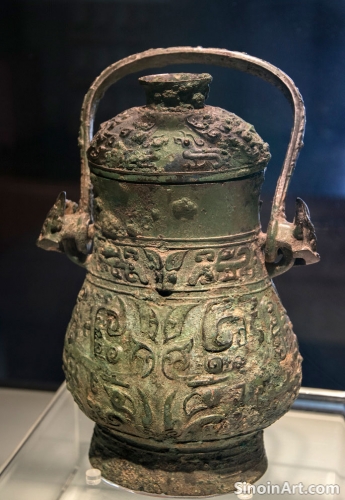 Bronze writing knives, also often included in the collection of writing implements, were used for preparing bamboo strips and other writing surfaces and also for the correction and alteration of writing, highlighting the practical and technical aspects of written communication. The care taken in creating and maintaining these tools emphasizes the importance that was placed on written communication. The use of bronze in writing tools reveals the importance of both technical skill and also artistic sensibilities in the practice of writing in ancient China. The use of these tools was a key component of both daily life and also for high levels of cultural engagement. The creation and use of these objects reflect the value that was placed on both art and knowledge. |
Tag : bronze writing tools, ancient calligraphy, ink stones, brush rests, Chinese script
Related information
- The Modern Use of Chinese Bronze Ware: Reinterpretations and Artistic Influence
- The Influence of Nomadic Cultures on Chinese Bronze Ware: Cross-Cultural Exchanges
- Bronze Ware and the Development of Ancient Chinese Music Theory: The Role of Tuned Instruments
- Bronze Ware and the Development of Ancient Chinese Writing Styles: A Visual Record of Language Evolution
- The Symbolism in Chinese Bronze Ware: Decoding the Motifs and Patterns
This article explores the modern use of Chinese bronze ware, highlighting how contemporary artists and designers reinterpret and adapt its forms and motifs, blending ancient traditions with modern aesthetics, showcasing the enduring influence of these powerful works.
This article explores the influence of nomadic cultures on Chinese bronze ware, highlighting the adoption of new forms, styles, and techniques, the influence of animal motifs, and the role of trade and diplomacy in the transmission of cultural ideas.
This article explores the influence of bronze ware on the development of ancient Chinese music theory, highlighting the role of tuned instruments, especially bianzhong bells, and their impact on scales, harmonies, and the understanding of musical structure.
This article explores how inscriptions on bronze ware provide a visual record of the evolution of ancient Chinese writing styles, highlighting the influence of the medium on script forms, layout, and the development of calligraphic principles.
This article explores the symbolism in Chinese bronze ware, decoding the meaning of the taotie and other motifs, and demonstrating how these designs reflected the religious beliefs, social values, and worldview of ancient China.