Bronze Ware and the Transmission of Ancient Chinese Knowledge: Libraries, Archives, and Scholarship
|
Beyond its use in the creation of religious and political objects, bronze also played a role in the transmission of knowledge in ancient China, used to create records, tablets, and other objects that helped to document and preserve information for future generations, highlighting the importance that was placed on education and the preservation of cultural information. The combination of durable materials and written texts helped to ensure that this knowledge would be available for generations to come. 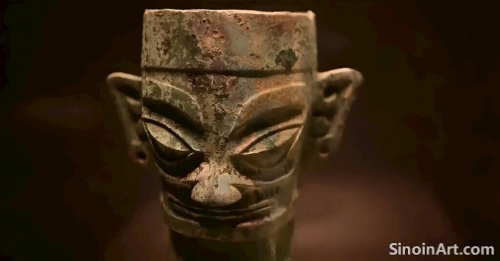 Bronze was used to create inscriptions on walls, columns, and other features of libraries and archives, identifying specific sections and cataloging the materials that were being held within these important centers of learning. The bronze inscriptions helped to keep the materials organized and made them easier to access. The integration of bronze and text helped to organize and preserve the knowledge of the time.  The creation of copies of ancient texts on bronze, including historical chronicles, scientific treatises, and literary works, ensured that these writings would survive for future generations, helping to preserve knowledge for future generations and also creating important historical records. The care with which these texts were copied onto bronze is a testament to their importance. The durability of the bronze ensured that these important texts would survive. 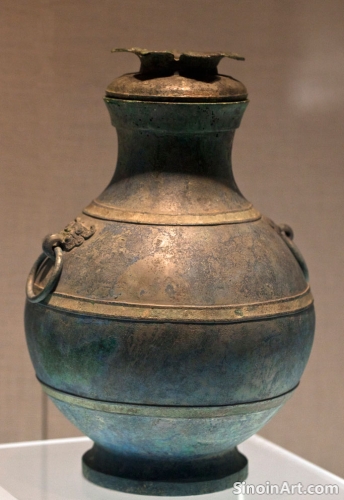 The use of bronze objects in education and scholarly settings reflected a belief in the power of knowledge and the importance of transmission, highlighting the need to preserve and to pass on valuable ideas and traditions. The use of durable materials to record information was a key element in codifying and preserving important information. The study of bronze objects and their connection to the transmission of knowledge illuminates the commitment to education and scholarship in ancient China, revealing the complex interplay between learning, writing, and the preservation of cultural heritage. The careful management of knowledge is a hallmark of ancient Chinese society, and this careful attention to detail reflects the value that they placed on the pursuit of knowledge and learning. |
Tag : bronze knowledge, Chinese libraries, ancient archives, scholarship records, knowledge preservation
Related information
- The Legacy of Chinese Bronze Ware in Contemporary Art and Design: New Interpretations
- The Influence of Ancient Chinese Bronze Ware on Later Korean Art and Design
- Bronze Ware and the Representation of Power in Ancient Chinese Local Governance: Authority, Control, and Regional Identity
- The Development of Bronze Mirrors in the Han Dynasty: New Styles and Social Significance
- The Use of Bronze in Ancient Chinese Transportation: Chariot Decoration and the Display of Power
This article explores the lasting influence of Chinese bronze ware on contemporary art and design, highlighting how artists and designers reinterpret and adapt ancient forms, motifs, and techniques, creating new works that connect the past with the present.
This article explores the influence of ancient Chinese bronze ware on later Korean art and design, highlighting the adaptation of Chinese forms and techniques, the development of unique Korean styles, and the role of cultural exchange in shaping artistic traditions.
This article explores the use of bronze ware to represent power in ancient Chinese local governance, highlighting its role in asserting authority, maintaining order, establishing regional identity, and demonstrating the complex interplay between local and imperial influences.
This article explores the development of bronze mirrors in the Han Dynasty, highlighting new styles, complex designs, their incorporation of cosmology, their role as status symbols, and the insights they offer into Han society.
This article explores the use of bronze in ancient Chinese chariot decoration, highlighting its role in communicating power and status, the visual symbolism used, and how these decorative elements enhanced both the aesthetic appeal and also the political message of these important vehicles of transport.