Bronze Ware and Ancient Chinese Concepts of Harmony: Balance, Symmetry, and the Cosmos
|
The design and production of Chinese bronze ware was deeply influenced by ancient Chinese concepts of harmony, particularly the ideas of balance, symmetry, and the interconnectedness of all things, with the objects often reflecting an effort to create works that embodied these principles and mirrored the cosmic order. The desire to create a sense of balance and harmony is a key element of ancient Chinese art and design.  Symmetry was a fundamental principle in the design of bronze objects, with many pieces showcasing perfectly balanced compositions and reflecting a belief in the importance of order and stability. The pursuit of symmetry helped to imbue these objects with both beauty and a sense of rightness and order. 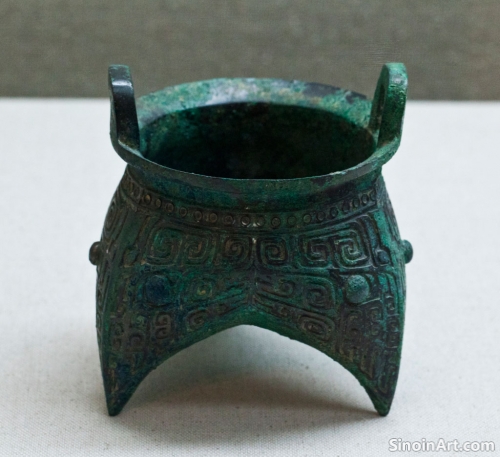 The careful spacing and proportion of elements, combined with precise control of line and form, created a sense of visual harmony, reflecting a larger belief in the interconnectedness of all things within the cosmos. The use of these design elements often reflected a belief in a larger underlying structure to the world. 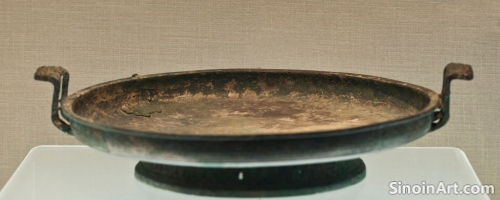 Bronze instruments, such as bells and chimes, were often carefully tuned to produce specific harmonies and musical patterns, and to further reflect this underlying understanding of the cosmos. The care taken in producing these instruments demonstrates the importance of music in communicating both spiritual and philosophical ideas. The study of bronze ware in relation to concepts of harmony helps us to understand the worldview of ancient China, where art, science, and philosophy were deeply integrated. The underlying order of the world was a powerful influence on the design of ancient objects. |
Tag : bronze harmony, Chinese aesthetics, symmetry, cosmic balance, ancient design
Related information
- The Role of Animal Motifs in Chinese Bronze Ware: Symbolic Creatures of Power and Mystery
- The Use of Bronze in Ancient Chinese Transportation Systems: Harnesses, Decorations, and the Technology of Movement
- The Evolution of Bronze Bell Design in China: From Simple Forms to Complex Chimes
- The Symbolic Importance of Bronze Animals in Ancient China: Power, Protection, and the Supernatural
- Regional Variations in Chinese Bronze Ware: Exploring Cultural Diversity
This article explores the animal motifs found on Chinese bronze ware, highlighting the symbolism of creatures like the taotie, dragons, phoenixes, and tigers, revealing their use in conveying power, spirituality, and connections to the natural world.
This article explores the use of bronze in ancient Chinese transportation systems, highlighting its role in creating harnesses, decorative elements, and fittings for chariots and other vehicles, and underscoring its importance for the efficiency of transportation and travel.
This article explores the evolution of bronze bell design in China, highlighting the transition from simple bells to complex bianzhong chimes, the development of tuning techniques, and their significance in both music and ritual.
This article explores the symbolic importance of bronze animals in ancient China, highlighting how different creatures, both real and mythical, were used to convey messages about power, protection, and the supernatural, and reflecting the complex worldview of the time.
This article explores the regional variations in Chinese bronze ware, highlighting how different regions developed their unique styles, forms, and techniques, reflecting the diverse cultural landscape of ancient China.