The Role of Animal Motifs in Chinese Bronze Ware: Symbolic Creatures of Power and Mystery
|
Animal motifs are ubiquitous on Chinese bronze ware, ranging from real-world creatures to mythical beasts. These stylized depictions of animals, often imbued with symbolic meaning, served a variety of purposes, communicating power, spirituality, and connection to the natural world. Understanding these animal symbols is key to fully appreciating ancient Chinese art and culture. 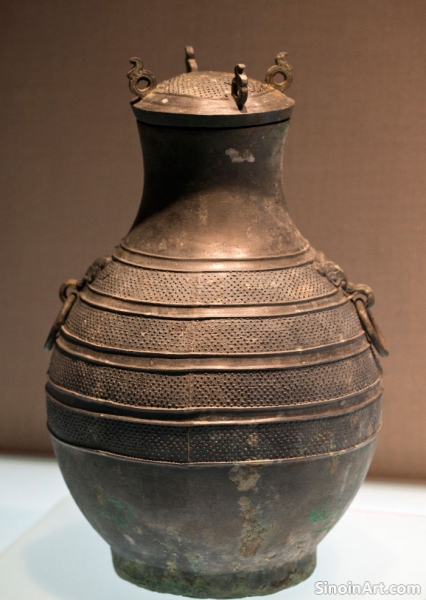 The taotie (饕餮), a composite creature with features from various animals, is a dominant motif on Shang Dynasty bronzes, often interpreted as a symbol of power, protection, and perhaps a connection to ancestral spirits. This powerful and mysterious symbol dominates much of the early period bronze work. 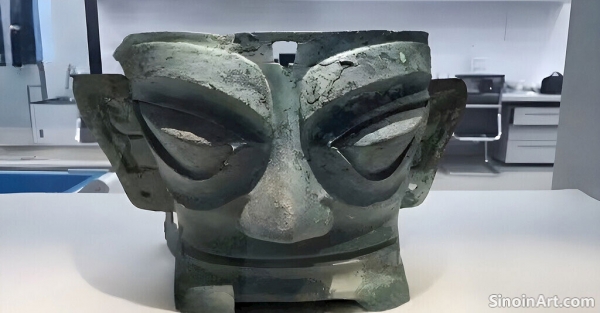 Other common animal motifs included dragons, symbolizing power, wisdom, and good fortune; phoenixes, representing rebirth, renewal, and grace; and tigers, known for their strength, courage, and protective power. The use of different animals communicated a wide range of different ideas, ideals, and beliefs.  Many bronze objects featured depictions of real-world animals, such as oxen, sheep, and birds, which likely held symbolic significance related to the social and agricultural lives of the ancient Chinese. These animal representations also provided insights into the animals that were most relevant to life at this time. The animal designs often reflected the lives and beliefs of the society that created them. The study of animal motifs on Chinese bronze ware reveals not only the artistic skill of the craftsmen but also the complex cultural landscape of ancient China. These symbols have a long history and they continue to be a source of fascination to those who study them. They connect us to the culture and beliefs of the past. |
Tag : bronze animal motifs, Chinese symbolism, taotie, dragons, phoenixes
Related information
- The Use of Bronze in Ancient Chinese Food Preparation and Dining: Utensils and Vessels
- The Preservation of Inscribed Bronzes: Understanding the Text and History
- The Influence of Bronze Ware on Ancient Chinese Architecture: Decorative Elements and Structural Supports
- The Depiction of Daily Life on Bronze Artifacts: A Window into Ancient Society
- Bronze Ware and the Development of Ancient Chinese Calendar Systems: Marking Time and Ritual Cycles
This article explores the use of bronze in ancient Chinese food preparation and dining, highlighting the creation of cooking pots, serving utensils, and tableware, and demonstrating how bronze was integrated into both daily life and social customs.
This article focuses on the preservation of inscribed bronze ware, highlighting the importance of protecting both the objects and their historical texts, detailing the techniques used for conservation and analysis, and emphasizing the ongoing academic work to interpret the inscriptions.
This article explores the influence of bronze ware on ancient Chinese architecture, highlighting its use in decorative elements, structural supports, and other components that helped to enhance the beauty and functionality of ancient buildings.
This article explores the depiction of daily life on Chinese bronze artifacts, highlighting scenes of hunting, farming, cooking, and social gatherings, and revealing insights into the social structures, economic activities, and everyday routines of ancient Chinese society.
This article explores the use of bronze in ancient Chinese calendar systems, highlighting its role in creating timekeeping devices like sundials, tracking the passage of time, and linking calendars to both agricultural and ritual cycles.