The Influence of Bronze Ware on the Development of Chinese Seal Carving
|
The meticulous craftsmanship and precise designs found on Chinese bronze ware had a significant influence on the development of seal carving (篆刻), a related art form that utilized similar techniques and emphasized the importance of strong lines, balanced composition, and symbolic meaning. The close relationship between these art forms helped to shape both of them for many years to come. 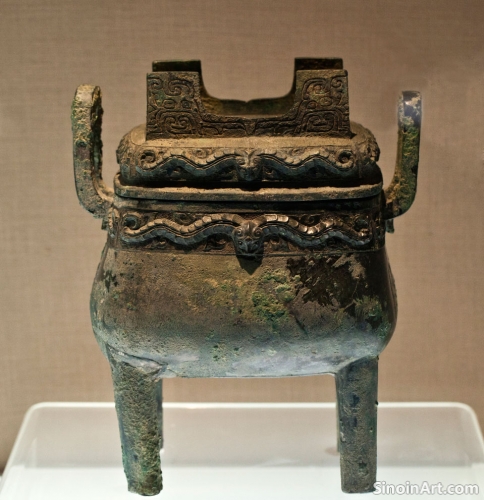 The precise and stylized characters found in bronze inscriptions served as an inspiration for seal carvers, as they sought to create similarly legible and aesthetically pleasing designs. The styles of the bronze works provided a model and a template for the work of seal carvers. The interplay between written language and the metal arts helped to elevate the status of both. 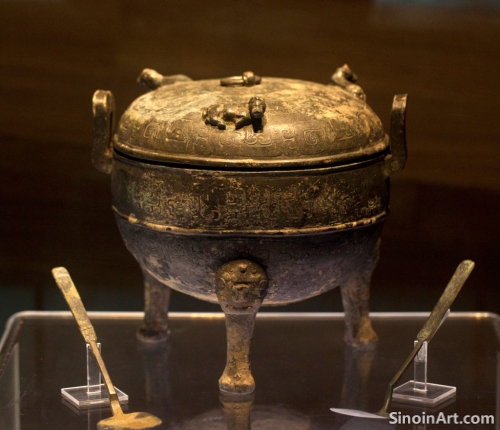 The technical skills required to carve bronze, including the control of tools, the creation of sharp lines, and the mastery of negative space, were also transferred to the art of seal carving. The mastery of the metalworking skills helped to translate into the more intricate work of seal carving. The skill required for both helped to elevate both art forms to a higher level. 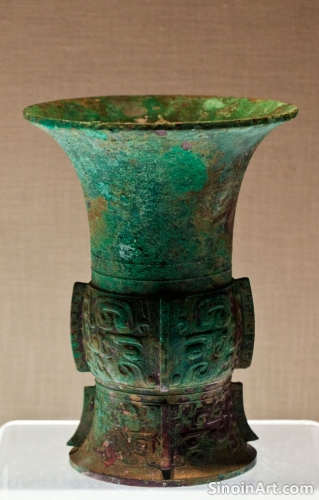 Seal carvers also adopted some of the symbolic motifs and patterns found on bronze ware, incorporating them into their designs, further demonstrating the influence of bronze on a wide variety of artistic practices. The use of shared symbols and motifs further enhances the visual impact of both art forms. The interplay between bronze work and seal carving helps to reveal the interconnectedness of artistic and technological practices in ancient China, highlighting how innovation and artistic expression often cross the boundaries of distinct art forms. This close relationship helped to shape both styles for many years to come. The transfer of techniques from one art form to another helped to spur innovation across the entire artistic landscape. |
Tag : bronze influence, seal carving, Chinese zhuanke, ancient art, metalworking
Related information
- The Influence of Bronze Ware on Later Chinese Decorative Arts
- Bronze Ware and Ancient Chinese Astronomy: Celestial Symbols and Interpretations
- Bronze Ware and Ancient Chinese Medical Practices: The Use of Instruments in Surgery and Healing
- Bronze Ware and Ancient Chinese Medicine: Vessels for Preparing and Storing Remedies
- The Impact of Bronze Ware on Ancient Chinese Society: A Social Perspective
This article explores the influence of bronze ware on later Chinese decorative arts, highlighting its impact on forms, motifs, and aesthetic principles, and demonstrating the enduring legacy of bronze design across various art media.
This article explores the connection between bronze ware and ancient Chinese astronomy, highlighting the use of celestial symbols, the representation of astronomical phenomena, and the use of bronze in astronomical instruments, showcasing the interplay between art and science.
This article explores the use of bronze in ancient Chinese surgical and medical practices, highlighting the creation of scalpels, needles, forceps, and other tools, and revealing the sophistication of ancient Chinese medical techniques.
This article explores the use of bronze in ancient Chinese medicine for preparing and storing remedies, highlighting the creation of specialized vessels and containers, and revealing the connection between metallurgy and traditional healing practices.
This article examines the impact of bronze ware on ancient Chinese society, exploring its role in shaping social structures, political power, and religious beliefs, and demonstrating its profound influence on various aspects of ancient life.