Bronze Ware and Ancient Chinese Astronomy: Calendars, Timekeeping, and Ritual Observances
|
While bronze was used to create astronomical instruments, it also played a key role in the creation and organization of ancient Chinese calendars, used to mark the passage of time, and to coordinate ritual practices, as well as agricultural practices, demonstrating the important interplay between scientific knowledge and also the cultural practices of the time. The calendar served as both a practical system for organizing the year and also as a representation of the perceived structure of the universe. The use of bronze helped to elevate the calendar to a prominent place in Chinese life. 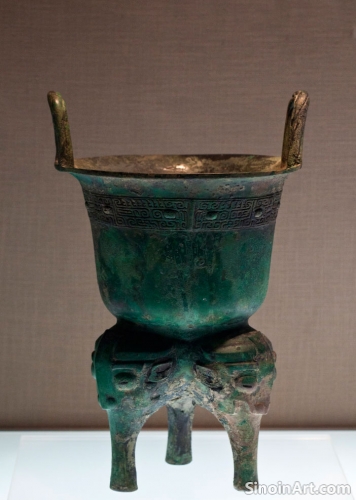 Bronze was used to create components for timekeeping devices, such as sundials and water clocks, allowing for a more precise and reliable method of tracking the passage of time. The accuracy of these timekeeping devices helped to make life more predictable and reliable. The precise nature of these devices was key to their successful operation.  Bronze was also used to create ritual vessels and musical instruments, which were incorporated into calendrical observances, and to mark important dates and events in the agricultural year and also in other ritual cycles. The integration of these different art forms with the calendar helped to codify the importance of each. The use of the bronze instruments also helped to connect the earthly realm with the larger cosmic order.  The creation of calendars based on the precise movement of the sun, moon, and stars, underscores the deep understanding of astronomy and mathematics that existed in ancient China. The combined application of these different disciplines helped to create both a better understanding of the world, and also to provide order and structure for daily life. The careful study of the relationship between bronze ware and the ancient calendar helps us to better understand the relationship between science, technology, and religious practice in ancient China. The intersection of these different areas of study is a key element in illuminating both the culture and also the scientific achievements of the time. |
Tag : bronze calendars, ancient Chinese astronomy, timekeeping, ritual observances, calendar systems
Related information
- The Enduring Allure of Chinese Bronze Ware: A Source of Inspiration and Study
- The Use of Bronze in Ancient Chinese Water Clocks and Timekeeping Devices
- Bronze and the Development of Early Chinese Astronomy: Tools of Observation and Understanding
- Bronze Ware and Ancient Chinese Astronomy: Celestial Symbols and Interpretations
- Bronze Ware and Ancient Chinese Understanding of Astronomy: Maps of the Sky and the Measurement of Time
This article reflects on the enduring allure of Chinese bronze ware, highlighting its technical skill, artistic beauty, historical significance, and the importance of its study and preservation for future generations.
This article explores the use of bronze in ancient Chinese water clocks and other timekeeping devices, highlighting their complex mechanisms, their integration of astronomical data, and their importance in standardizing time measurement for a variety of purposes.
This article explores the use of bronze in ancient Chinese astronomy, highlighting the creation of astronomical instruments such as armillary spheres and sundials, and demonstrating how these objects facilitated the observation and understanding of the universe.
This article explores the connection between bronze ware and ancient Chinese astronomy, highlighting the use of celestial symbols, the representation of astronomical phenomena, and the use of bronze in astronomical instruments, showcasing the interplay between art and science.
This article explores the connection between bronze ware and ancient Chinese understandings of astronomy, highlighting the use of celestial motifs, the depiction of astronomical phenomena, and the creation of instruments that aided in understanding the universe.