The Use of Bronze in Ancient Chinese Water Clocks and Timekeeping Devices
|
Beyond sundials, bronze was also used to create intricate water clocks and other timekeeping devices in ancient China, highlighting the importance of accurate time measurement for agricultural, social, and ritualistic purposes. The use of bronze in the creation of these devices also reflects the complex ingenuity and technical expertise of the time. The need for accurate time keeping was a driving factor in technological innovation during this era. 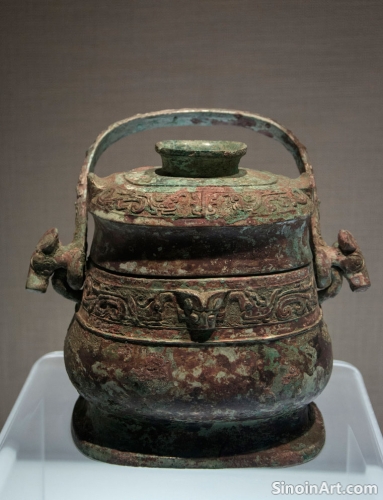 Bronze was used to create gears, levers, and other components of water clocks, allowing for the accurate and reliable measurement of time. The precise creation of these mechanisms helped to enhance the accuracy and reliability of these instruments.  The complex designs of these clocks often incorporated astronomical and calendrical data, demonstrating the close connections between timekeeping, astronomy, and the larger understanding of the universe. These devices were often a synthesis of art, science, and practical needs. The designs of these instruments also serve to highlight their spiritual and cosmological meaning. 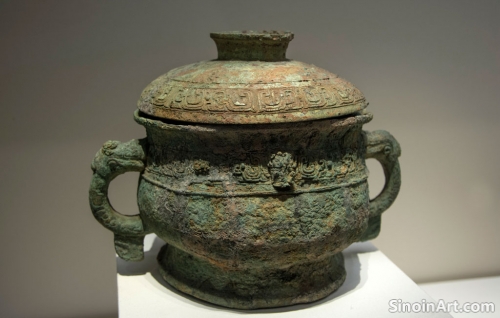 Bronze water clocks helped to standardize timekeeping across different regions and facilitated the coordination of activities such as agriculture, trade, and religious observances. The accurate tracking of time was key to the effective management of complex social and agricultural systems. The study of bronze water clocks and other timekeeping devices provides valuable insights into ancient Chinese technology, science, and their understanding of the flow of time. These objects helped to shape both the daily life and the cosmological beliefs of the time. The combination of art, technology, and science made these objects both functionally important and also deeply fascinating. |
Tag : bronze water clocks, ancient Chinese timekeeping, astronomical instruments, ancient technology, clock mechanisms
Related information
- The Use of Bronze in Ancient Chinese Food Preparation and Dining: Utensils and Vessels
- Bronze Ware and Ancient Chinese Concepts of Harmony: Balance, Symmetry, and the Cosmos
- Chinese Bronze Ware in Global Collections: A Transcultural Perspective
- Bronze Ware and the Development of Ancient Chinese Writing Systems
- The Evolution of Bronze Bell Design in China: From Simple Forms to Complex Chimes
This article explores the use of bronze in ancient Chinese food preparation and dining, highlighting the creation of cooking pots, serving utensils, and tableware, and demonstrating how bronze was integrated into both daily life and social customs.
This article explores the influence of ancient Chinese concepts of harmony on bronze ware, highlighting the importance of balance, symmetry, precise proportions, and the connection of these principles to a wider understanding of the cosmos.
This article explores the global distribution of Chinese bronze ware, highlighting its presence in museums and collections worldwide, the history of collecting, and the value of a transcultural perspective in understanding their significance.
This article explores the relationship between bronze ware and the development of ancient Chinese writing systems, highlighting the earliest forms of writing on bronze, the evolution of script styles, and the importance of these inscriptions in understanding early Chinese language.
This article explores the evolution of bronze bell design in China, highlighting the transition from simple bells to complex bianzhong chimes, the development of tuning techniques, and their significance in both music and ritual.