Analyzing the Surface Patina of Chinese Bronze Ware: A Story of Time and Environment
|
The surface patina of Chinese bronze ware, that layer of coloration and texture that develops over time, is more than just a sign of age; it is a complex record of the object's history, its interactions with the environment, and the unique characteristics of its creation. Analyzing patina can provide valuable information for both conservation and authentication, as well as enhancing our understanding of the history and art of bronze ware. The patina is a valuable indicator of age and environment. 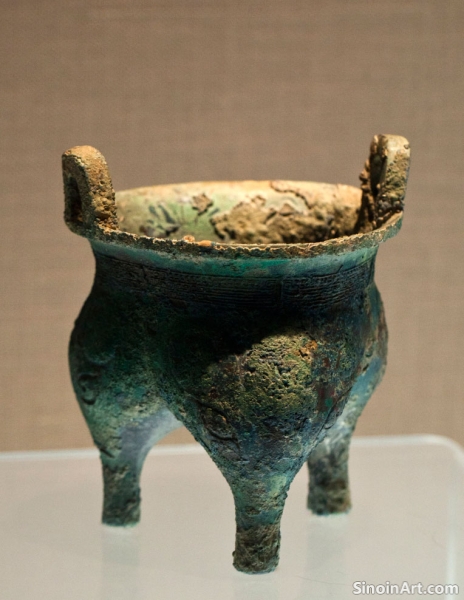 The specific colors and textures of a patina are influenced by a variety of factors, including the composition of the bronze alloy, the conditions in which the object was buried or stored, and the type of minerals and chemicals present in the surrounding soil. The different patinas that form under varying conditions are a testament to the interplay between the bronze and its environment. The interplay of material, time, and environment is a significant factor in the appearance of the final product.  A naturally formed patina can range in color from green and blue to brown, black, and even red, with each shade and hue telling a different story of the conditions that the object has been exposed to. The study of patina allows us to gain a deeper understanding of the history and environment of bronze artifacts. 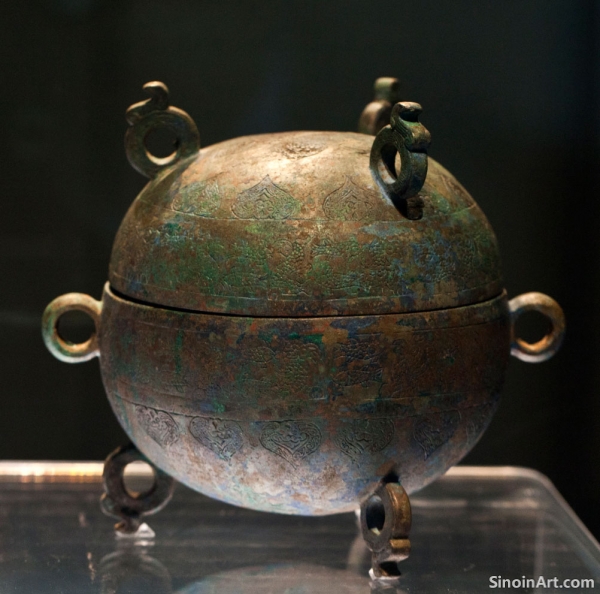 However, it is important to distinguish between authentic, naturally formed patinas and those that have been artificially created or enhanced. Conservation experts utilize scientific techniques to differentiate these patinas. Proper understanding of patina helps to aid in the study and identification of pieces of bronze ware. The study of patina, combined with archaeological context and historical records, provides a more complete understanding of the complex stories that these ancient objects have to tell. The patina itself is a valuable source of information and insights. The careful study of patina is an important element in the proper understanding of the bronze ware. |
Tag : bronze patina, Chinese bronze conservation, artifact aging, metal surface analysis, ancient metallurgy
Related information
- The Role of Bronze in Ancient Chinese Warfare: Strategies and Weapons
- The Impact of Bronze Ware on Ancient Chinese Society: A Social Perspective
- The Challenge of Authenticating Ancient Chinese Bronze Ware: Forgeries and Expertise
- The Influence of Bronze Ware on Later Chinese Decorative Arts
- Bronze Ware and Ancient Chinese Astronomy: Decoding Celestial Patterns and Calendars
This article explores the role of bronze in ancient Chinese warfare, highlighting the types of weapons, armor, and chariot fittings, and examining the strategies and tactics employed, revealing the military power of the era.
This article examines the impact of bronze ware on ancient Chinese society, exploring its role in shaping social structures, political power, and religious beliefs, and demonstrating its profound influence on various aspects of ancient life.
This article discusses the challenges of authenticating ancient Chinese bronze ware, highlighting the use of visual inspection, scientific testing, stylistic analysis, and the expertise required to distinguish between genuine artifacts and forgeries.
This article explores the influence of bronze ware on later Chinese decorative arts, highlighting its impact on forms, motifs, and aesthetic principles, and demonstrating the enduring legacy of bronze design across various art media.
This article explores how bronze ware reflects ancient Chinese understandings of astronomy, highlighting the use of celestial patterns, depictions of constellations, and the connection between astronomical knowledge and ritual practices.