Bronze Ware and Ancient Chinese Astronomy: Decoding Celestial Patterns and Calendars
|
Beyond the use of bronze for instruments, the symbolic designs and patterns on bronze ware often reflect a deep understanding of astronomy, with depictions of constellations, celestial cycles, and other cosmological elements. The fusion of artistry and scientific knowledge helped to shape the approach that the ancient Chinese took to representing the heavens. The interpretation of these designs is key to understanding the scientific worldview of the era. 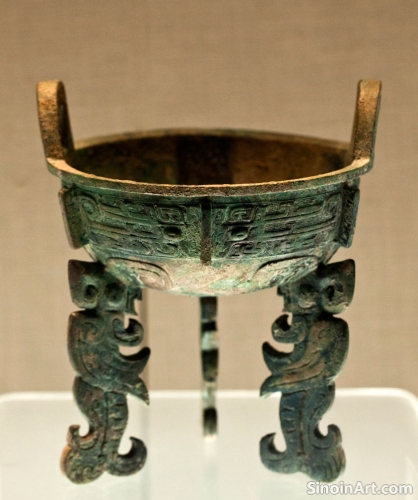 Some bronze objects, such as ceremonial vessels and bells, feature designs that were intended to align with the positions of celestial bodies or to mark specific dates on the calendar, highlighting the importance of astronomy in ritual life. The use of these specific patterns and forms indicates a complex understanding of the relationships between earthly and heavenly events. 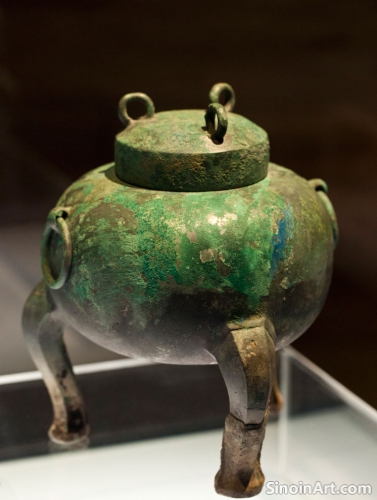 The creation of bronze instruments for observation and timekeeping was also connected to a deep understanding of mathematics, geometry, and the cycles of the stars, moon, and the planets. The precise nature of these objects demonstrates the value that was placed on accurate observation and mathematical understanding. 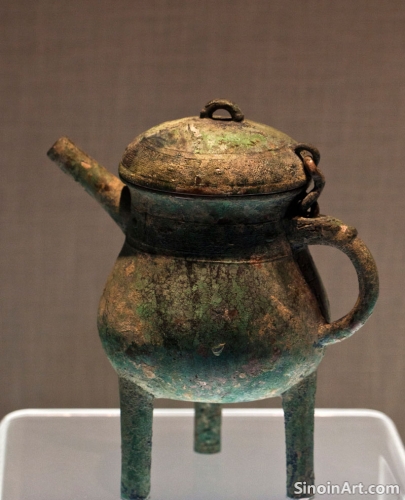 The use of celestial symbolism on both ritual objects and astronomical instruments helps to underscore the importance of the study of the heavens in ancient China, and reveals the sophisticated understanding of the cosmos that was present at the time. The careful combination of art, science, and ritual practice is a key element of ancient Chinese culture. |
Tag : bronze astronomy symbols, Chinese constellations, celestial patterns, ancient calendars, astronomical beliefs
Related information
- The Impact of Bronze Ware on Ancient Chinese Society: A Social Perspective
- The Evolution of Bronze Casting Techniques: From Early Molds to Complex Vessels
- Bronze Ware and Ancient Chinese Medicine: Vessels for Preparing and Storing Remedies
- The Role of Bronze in Ancient Chinese Warfare: Strategies and Weapons
- Bronze Ware and the Development of Ancient Chinese Trade Practices: Routes, Markets, and Exchange
This article examines the impact of bronze ware on ancient Chinese society, exploring its role in shaping social structures, political power, and religious beliefs, and demonstrating its profound influence on various aspects of ancient life.
This article explores the evolution of bronze casting techniques in China, from simple molds to the piece-mold and lost-wax methods, highlighting the technological innovation and artistic mastery of ancient Chinese metalworkers.
This article explores the use of bronze in ancient Chinese medicine for preparing and storing remedies, highlighting the creation of specialized vessels and containers, and revealing the connection between metallurgy and traditional healing practices.
This article explores the role of bronze in ancient Chinese warfare, highlighting the types of weapons, armor, and chariot fittings, and examining the strategies and tactics employed, revealing the military power of the era.
This article explores the role of bronze ware in the development of ancient Chinese trade practices, highlighting the emergence of trade routes, markets, and systems of exchange, and revealing its economic, social, and cultural impact.