Yuan Ceramics and the Use of "Copper Red" (Revisited)
|
We touched on underglaze red earlier, but a deeper look at the specific use of copper red during the Yuan is valuable. The use of copper to achieve red tones in underglaze decoration was one of the most technically challenging techniques mastered by Yuan Dynasty potters, and the difficulty in the production of this colour makes surviving examples of Yuan period red pottery especially valuable.  The application of copper-based pigments to create red designs under a transparent glaze required precise control of the firing conditions, as any slight variation in temperature or kiln atmosphere could result in unwanted results. The difficulty of controlling the firing process meant that red underglaze pieces were often highly prized. 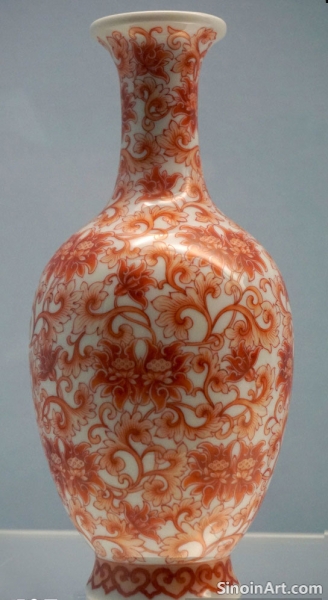 The range of red tones achieved using copper, from vibrant scarlet to soft pinkish hues, demonstrates the range and versatility of this technique, and the variability of the red tones from piece to piece makes each one highly unique and valuable.  Yuan Dynasty ceramics with underglaze red designs are particularly rare and highly prized by collectors, and surviving examples of this type of pottery are considered to be especially valuable pieces of Chinese art. The technical complexity and beauty of underglaze red designs on Yuan ceramics is a testament to the skill and experimental nature of potters during this period.
|
Tag : Yuan copper red, Chinese underglaze, red pottery, ancient glaze, rare ceramics
Related information
- Trade and Export: Yuan Dynasty Porcelain on the Global Stage
- The Role of Kilns and Production Centers in Yuan Ceramics
- The Grand Scale of Yuan Dynasty Porcelain
- Beyond Blue and White: Exploring Other Glazes and Techniques of Yuan Dynasty Porcelain
- Yuan Dynasty Ceramics and the Global Trade Network
This article explores the significant role Yuan porcelain played in international trade. It highlights its export routes, its demand in the Islamic world, and its impact as a cultural ambassador.
The Yuan Dynasty's ceramic production was characterized by the emergence of Jingdezhen as the dominant center for porcelain, along with other important kilns like Longquan, and innovations in kiln technology, all of which contributed to the advancement of Chinese ceramic arts.
One of the defining characteristics of Yuan Dynasty ceramics is their large scale. Many pieces, particularly those produced for export or for use in large public settings, were made in impressive sizes that were much larger than those of the preceding Song Dynasty. The larger pieces show a different approach to production and a change in aesthetic sensibility.
This article goes beyond blue and white, exploring other glazes and techniques used in Yuan Dynasty porcelain, including monochrome glazes, copper red, and various decorative methods.
Yuan Dynasty ceramics were widely exported globally, playing a major role in trade networks and disseminating Chinese culture, art, and innovation, while simultaneously influencing overseas markets and prompting ceramic innovation.